

Have you ever noticed that after a night of tossing and turning, the world feels heavier? It’s not just in your head. The connection between sleep and mental health is direct, powerful, and often underestimated. We spend roughly one-third of our lives sleeping, yet we often treat it as an optional luxury rather than a biological necessity. When you cut back on rest, you aren’t just trading energy for productivity; you are actively destabilizing your emotional regulation.
Think about the last time you were severely sleep-deprived. Did a minor traffic jam feel like a catastrophe? Did you snap at a colleague over a harmless email? That isn’t a character flaw. It’s neuroscience. Your brain literally loses its ability to process negative emotions when it is tired. Understanding this link is the first step toward reclaiming both your peace of mind and your physical well-being.
The Science Behind the Slumber-Mind Connection
To understand why sleep matters so much, we have to look under the hood of the brain. During deep sleep, specifically the non-REM stages, your brain undergoes a crucial cleanup process known as the glymphatic system. Imagine your brain cells shrinking slightly to allow cerebrospinal fluid to wash away metabolic waste products, including beta-amyloid proteins associated with cognitive decline. Without adequate sleep, this cleaning crew doesn’t show up for work.
But it’s not just about cleaning. Sleep is also where memory consolidation happens. While you rest, your hippocampus (the memory center) replays the day’s events and transfers them to the cortex for long-term storage. This process strengthens neural connections. If you skip this step, you’re essentially leaving your experiences scattered and unprocessed, which can lead to confusion and anxiety the next day.
Furthermore, sleep regulates the hormones that control stress. Cortisol, the primary stress hormone, follows a daily rhythm called the circadian rhythm, which dictates your body's internal clock. Normally, cortisol levels drop in the evening to help you wind down and rise in the morning to wake you up. Chronic poor sleep disrupts this cycle, keeping cortisol levels elevated even when you should be relaxing. This creates a state of constant physiological alertness, making you feel wired but tired.
Sleep Deprivation and Emotional Volatility
You might think you can "catch up" on sleep on weekends, but the damage done during the week lingers. Research from the University of California, Berkeley, has shown that even one night of partial sleep deprivation increases reactivity in the amygdala-the brain’s fear center-by up to 60%. The amygdala becomes hypersensitive to negative stimuli.
At the same time, the prefrontal cortex, which is responsible for rational thinking and impulse control, loses connectivity with the amygdala. In simple terms, your emotional brakes fail. You lose the ability to put things into perspective. A small setback feels like a disaster because your brain is interpreting threats through a magnifying glass.
- Mood Swings: Lack of sleep makes you more susceptible to irritability and sadness. You may find yourself crying over minor issues or feeling angry without a clear trigger.
- Reduced Resilience: Coping mechanisms that usually work-like talking to a friend or taking a walk-become less effective when you are exhausted.
- Negative Bias: Tired brains tend to focus on negative information while ignoring positive feedback. This skew can reinforce feelings of hopelessness.
This emotional volatility is a major risk factor for developing mood disorders. It’s not just about feeling grumpy; it’s about the erosion of your psychological stability over time.

The Vicious Cycle: Anxiety, Depression, and Insomnia
One of the most dangerous aspects of the sleep-mental health relationship is how easily it becomes a two-way street. Poor sleep contributes to mental health issues, but mental health issues also destroy sleep quality. This creates a vicious cycle that is hard to break without intervention.
Anxiety is perhaps the biggest thief of sleep. People with generalized anxiety disorder often lie awake ruminating about future scenarios. Their minds race with "what ifs," preventing the transition into deep, restorative sleep. On the flip side, the resulting fatigue makes the next day’s anxiety worse, creating a feedback loop of stress and exhaustion.
Depression presents a different challenge. While some people with depression oversleep (hypersomnia), many suffer from insomnia, particularly early morning awakening. Waking up at 3 AM and being unable to fall back asleep is a classic symptom of depressive episodes. This fragmented sleep prevents the brain from getting the REM sleep necessary for emotional processing, leaving individuals feeling emotionally raw and drained.
| Mental State | Common Sleep Issue | Impact on Brain Function |
|---|---|---|
| Anxiety | Difficulty falling asleep (Sleep Onset Insomnia) | Hypervigilance, racing thoughts, high cortisol |
| Depression | Early morning awakening or excessive sleeping | Reduced REM sleep, lack of motivation, fatigue |
| Burnout | Non-restorative sleep (waking up tired) | Cognitive fog, emotional detachment, irritability |
Breaking the Cycle: Practical Strategies for Better Rest
If you are struggling with both sleep and mental health, trying to fix one without addressing the other is like bailing out a boat with a hole in the bottom. You need a holistic approach. Here are actionable steps to improve your sleep hygiene and support your mental well-being simultaneously.
- Establish a Consistent Schedule: Go to bed and wake up at the same time every day, even on weekends. This reinforces your circadian rhythm and helps regulate your body’s production of melatonin, the sleep hormone.
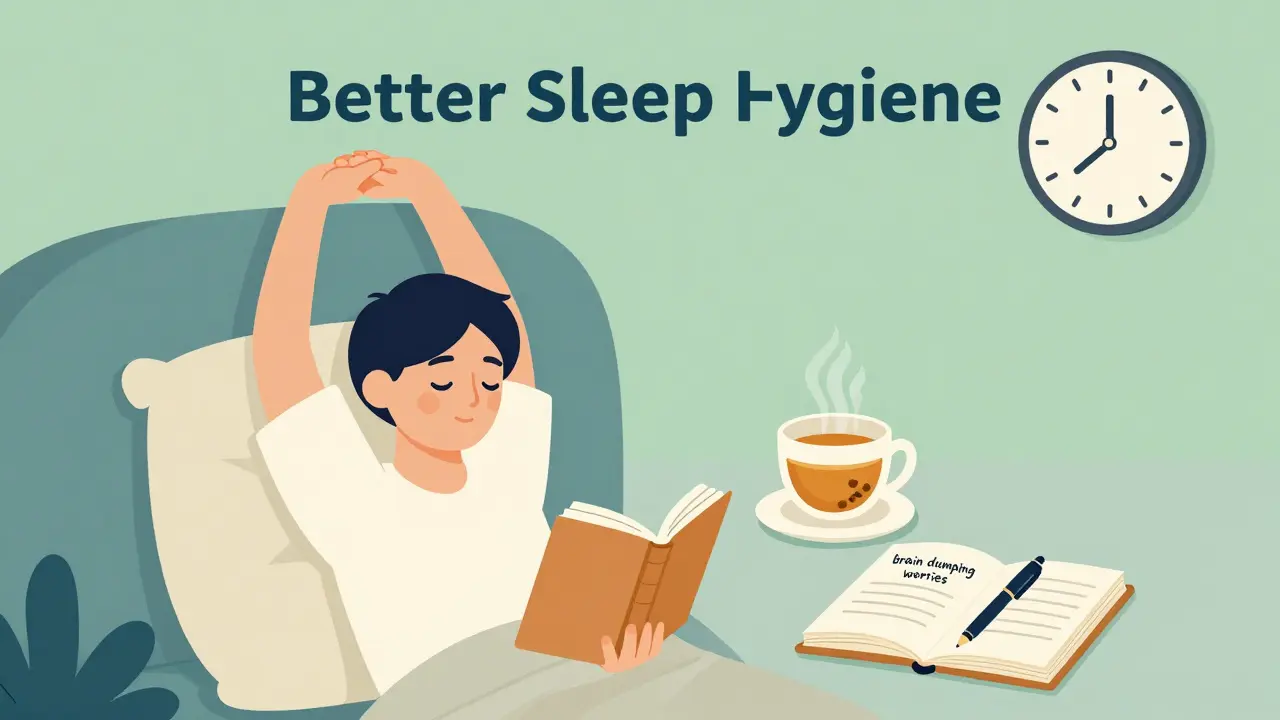
- Create a Wind-Down Routine: Spend the last hour before bed doing calming activities. Read a book, take a warm bath, or practice gentle stretching. Avoid screens, as the blue light emitted by phones and computers suppresses melatonin production.
- Optimize Your Environment: Make your bedroom a sanctuary for sleep. Keep it cool (around 65°F or 18°C is ideal), dark, and quiet. Consider using blackout curtains or a white noise machine if external factors disturb you.
- Limit Stimulants: Caffeine has a half-life of about five hours, meaning half of it is still in your system five hours after consumption. Avoid coffee, tea, and soda after 2 PM. Alcohol may help you fall asleep faster, but it fragments your sleep later in the night, reducing overall quality.
- Manage Stress Before Bed: If racing thoughts keep you awake, try journaling. Write down your worries and to-do lists for tomorrow. This acts as a "brain dump," signaling to your mind that it’s safe to let go of those tasks for now.
Another powerful tool is Cognitive Behavioral Therapy for Insomnia (CBT-I). Unlike sleeping pills, which only mask symptoms, CBT-I addresses the underlying thoughts and behaviors that cause insomnia. It helps you restructure negative beliefs about sleep (e.g., "If I don’t sleep eight hours, I’ll fail tomorrow") and develop healthier habits. Studies show CBT-I is more effective than medication in the long term.
The Role of Diet and Exercise
Your lifestyle choices during the day significantly impact your nights. Regular physical activity promotes deeper sleep by increasing the amount of slow-wave sleep you get. However, timing matters. Intense workouts too close to bedtime can raise your core body temperature and adrenaline levels, making it harder to drift off. Aim to finish vigorous exercise at least three hours before bed.
Diet also plays a role. Heavy meals late at night can cause indigestion and discomfort, disrupting sleep. Instead, opt for lighter dinners and avoid spicy or acidic foods if you are prone to heartburn. Certain nutrients, such as magnesium and tryptophan, found in foods like almonds, bananas, and turkey, can support relaxation and sleep onset.
Hydration is key, but drink most of your water earlier in the day. Waking up multiple times to use the bathroom breaks your sleep continuity, preventing you from reaching the restorative stages of sleep.
When to Seek Professional Help
Sometimes, self-help strategies aren’t enough. If you’ve been struggling with sleep issues for more than three weeks, or if your lack of sleep is significantly impacting your daily life, work, or relationships, it’s time to consult a professional. Persistent insomnia can be a sign of underlying conditions such as sleep apnea, restless leg syndrome, or untreated mental health disorders.
A healthcare provider can evaluate your specific situation. They might recommend a sleep study to check for breathing interruptions or refer you to a therapist specializing in CBT-I. Don’t hesitate to seek help. Addressing sleep problems is an investment in your long-term mental health and quality of life.
Remember, sleep is not a passive state. It is an active, vital process that repairs your mind and body. By prioritizing rest, you are not being lazy; you are being strategic. You are giving your brain the tools it needs to handle the complexities of modern life with clarity, resilience, and calm.
How quickly can better sleep improve mental health?
Many people report improved mood and reduced anxiety within just a few days of consistent, quality sleep. However, reversing the effects of chronic sleep deprivation may take several weeks. The key is consistency; your brain needs time to recalibrate its emotional regulation systems.
Can naps replace nighttime sleep for mental health benefits?
No. While short naps (20-30 minutes) can boost alertness, they do not provide the full cycle of REM and deep sleep necessary for emotional processing and memory consolidation. Relying on naps can also disrupt your nighttime sleep schedule, worsening the problem.
Is it normal to have trouble sleeping when stressed?
Yes, it is very common. Stress triggers the release of cortisol and adrenaline, which prepare your body for "fight or flight." This physiological state is incompatible with the relaxation required for sleep. Managing stress through techniques like mindfulness or therapy can help break this link.
What is the best time to go to bed for optimal mental health?
There is no single "best" time for everyone, as individual chronotypes vary. However, most adults benefit from going to bed between 10 PM and 11 PM to align with natural circadian rhythms. The most important factor is consistency and ensuring you get 7-9 hours of uninterrupted sleep.
Does screen time really affect sleep quality?
Absolutely. Blue light from screens suppresses melatonin production, delaying sleep onset. Additionally, engaging content (social media, news, videos) stimulates the brain, making it harder to wind down. Experts recommend avoiding screens for at least one hour before bedtime.