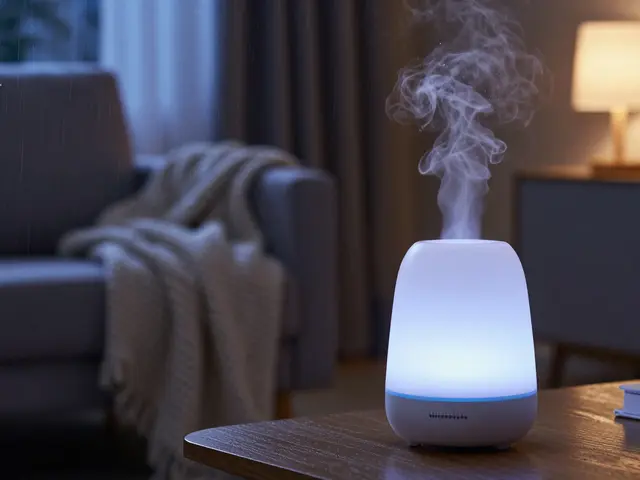
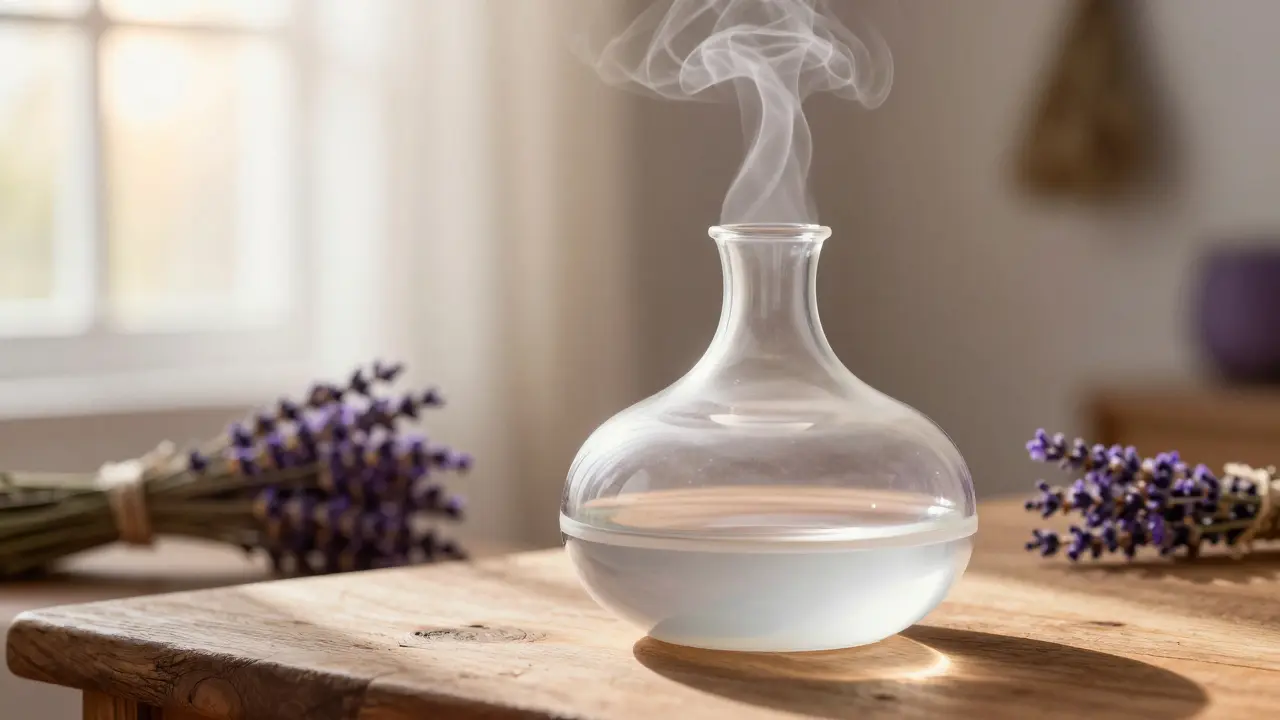
Have you ever walked into a room and instantly felt calmer just because it smelled like fresh linen or warm vanilla? That isn't just your imagination. Your nose is directly wired to the part of your brain that controls emotions and memories. This biological shortcut is the foundation of Aromatherapy, a holistic healing treatment that uses natural plant extracts to improve physical and psychological well-being. It’s not magic, but it feels like it when done right.
Most people think aromatherapy is just about making things smell nice. While pleasant scents are a huge bonus, the real power lies in how volatile organic compounds from plants interact with our limbic system. When you inhale an essential oil, those tiny molecules travel up your nasal passages and hit the olfactory bulb. From there, signals zip straight to the amygdala (your emotion center) and the hippocampus (your memory bank). This bypasses the logical, thinking part of your brain entirely. That’s why a scent can trigger a memory or shift your mood faster than any thought process can.
Understanding the Basics: What Are Essential Oils?
To use aromatherapy effectively, you first need to understand what you’re putting on your skin or in your diffuser. Essential oils are highly concentrated hydrophobic liquids containing volatile aroma compounds from plants. They aren’t just fragrances; they are the plant’s immune system. Plants produce these oils to protect themselves from insects, bacteria, and fungi. When we harness them, we’re tapping into that same protective, balancing energy.
There are two main ways to get these oils: steam distillation and cold pressing. Steam distillation involves passing steam through plant material, which carries the aromatic compounds into a condenser where they cool back into liquid form. Cold pressing is mostly used for citrus peels, where the oil is mechanically squeezed out. The method matters because heat can sometimes degrade delicate compounds. Always look for bottles labeled "100% pure" and avoid anything that says "fragrance oil," which is usually synthetic and lacks therapeutic benefits.
The Top Essential Oils for Everyday Wellness
You don’t need a cabinet full of oils to start seeing results. A few key players cover most daily needs. Here is a breakdown of the most versatile oils and what they actually do for your body and mind.
| Oil Name | Primary Benefit | Best For | Key Compound |
|---|---|---|---|
| Lavender | Sleep aid, anxiety reduction | Insomnia, high stress | Linalool |
| Peppermint | Energetic boost, headache relief | Fatigue, nausea, focus | Menthol |
| Eucalyptus | Respiratory support | Colds, congestion, allergies | Eucalyptol |
| Tea Tree | Antimicrobial, skin health | Acne, minor cuts, fungal issues | Terpinen-4-ol |
| Frankincense | Deep relaxation, grounding | Meditation, joint pain, aging skin | Boswellic acids |
Lavender is the gold standard for a reason. Studies have shown that inhaling lavender oil can lower blood pressure and heart rate, signaling your body to switch from "fight or flight" to "rest and digest." Peppermint, on the other hand, contains menthol, which acts as a natural decongestant and mental stimulant. If you’re staring at a spreadsheet at 3 PM and feel your eyes glazing over, a sniff of peppermint can wake up your prefrontal cortex better than coffee.

How to Safely Use Essential Oils at Home
Just because something is natural doesn’t mean it’s harmless. Essential oils are potent. Putting undiluted lemon oil on your skin can cause severe burns if you go outside in the sun, because certain compounds become photosensitive. Safety is non-negotiable.
Here are the three golden rules of home aromatherapy:
- Dilute before touching skin: Never apply an essential oil directly to your skin without mixing it with a carrier oil like jojoba, coconut, or almond oil. A safe dilution ratio for adults is usually 1-2%. That’s about 1-2 drops of essential oil per teaspoon of carrier oil.
- Ventilation matters: When using a diffuser, keep windows slightly open or ensure good airflow. Pets and small children are more sensitive to airborne particles. Keep diffusers out of reach and run them for intervals (e.g., 30 minutes on, 30 minutes off) rather than all day long.
- Check for contraindications: Some oils are not safe during pregnancy, breastfeeding, or for people with specific medical conditions like epilepsy or asthma. For example, rosemary and sage can raise blood pressure, so hypertensive patients should avoid them or consult a doctor first.
Creating Your Personal Aromatherapy Routine
The best routine is one you’ll actually stick to. You don’t need expensive equipment. Start simple.
Morning Energy Boost: Add 3 drops of grapefruit or sweet orange to a spray bottle filled with water. Mist your pillow or clothes after showering. Citrus scents are uplifting and can help combat morning grogginess. Alternatively, inhale peppermint oil directly from the bottle for 10 seconds before starting work.
Evening Wind-Down: Thirty minutes before bed, diffuse 5 drops of lavender and 2 drops of frankincense in your bedroom. Turn off bright lights and put away screens. The combination of these two oils has been shown to increase slow-wave sleep, which is the deepest, most restorative stage of sleep. If you prefer topical application, mix 2 drops of lavender with a teaspoon of jojoba oil and massage it into your temples and the soles of your feet.
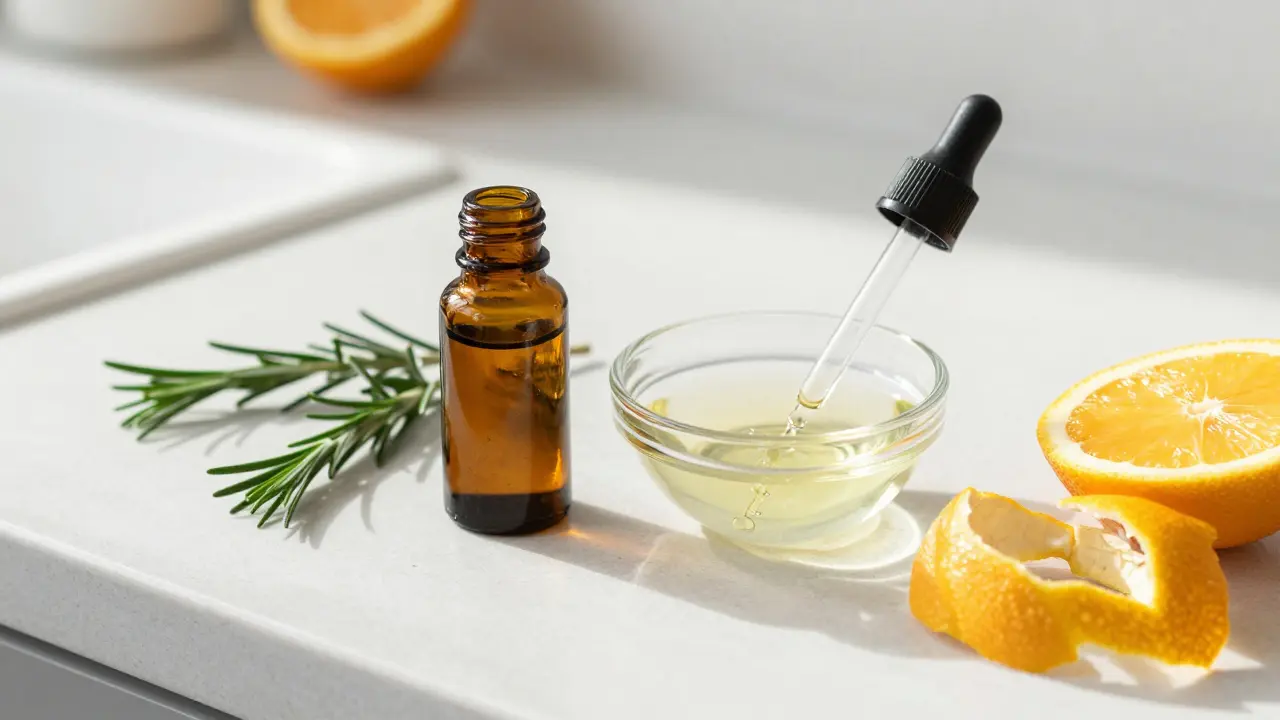
Focus and Clarity: During study sessions or deep work, try rosemary and lemon. Rosemary has a long history of being associated with memory retention. Inhaling rosemary aroma has been linked to improved cognitive performance and alertness. Mix 2 drops of rosemary and 2 drops of lemon in a personal inhaler or a small ceramic diffuser on your desk.
Common Myths vs. Reality
Aromatherapy is surrounded by hype. Let’s separate fact from fiction.
Myth: Essential oils cure diseases.
Reality: They support wellness but do not replace medical treatment. While tea tree oil has antimicrobial properties, it won’t cure a serious infection. Lavender may reduce anxiety symptoms, but it isn’t a substitute for therapy or medication for clinical depression. Think of aromatherapy as a complementary tool, not a miracle cure.
Myth: More drops equal better results.
Reality: Over-dosing can lead to headaches, nausea, or respiratory irritation. Less is often more. Your nose adapts quickly (olfactory fatigue), so adding more oil won’t make you smell it stronger; it will just overwhelm your senses.
Myth: All essential oils are created equal.
Reality: Quality varies wildly. Cheap oils are often diluted with fillers or synthesized. Look for brands that provide Gas Chromatography/Mass Spectrometry (GC/MS) reports, which verify the chemical composition of the oil. Dark glass bottles are also a must, as light degrades the active compounds.
Integrating Scents into Daily Life
You don’t need a dedicated meditation corner to benefit from aromatherapy. Integrate it into habits you already have.
Add a drop of eucalyptus to your bathwater (mixed with Epsom salts first, since oil and water don’t mix) for a spa-like experience that opens up sinuses. Rub a mixture of ginger and black pepper oil on your wrists before a workout to create a warming sensation that mimics increased circulation. Use chamomile oil in your laundry detergent for a calming scent that lingers on your sheets.
The key is consistency. Your brain learns associations. If you always use lavender when you want to relax, eventually, the scent alone will trigger a relaxation response. This is classical conditioning in action, and it’s incredibly powerful.
Can I use essential oils around my pets?
Caution is critical. Cats lack the liver enzymes to break down certain compounds found in essential oils, such as phenols and terpenes. Oils like tea tree, peppermint, eucalyptus, and citrus can be toxic to cats even in small amounts. Dogs are generally more resilient but still sensitive to oils like wintergreen and pine. Always research pet safety before diffusing, keep oils out of reach, and ensure the room is well-ventilated so animals can leave if they feel uncomfortable.
How long do essential oils last?
Shelf life depends on the type of oil. Woody resins like frankincense and sandalwood can last 6-8 years or more. Herbaceous oils like basil and rosemary may only last 1-2 years. Citrus oils typically expire within 1-2 years due to their high limonene content, which oxidizes quickly. Store oils in a cool, dark place away from direct sunlight and heat to maximize their lifespan. If an oil smells sour or rancid, throw it out.
Is it safe to ingest essential oils?
Generally, no. Ingesting essential oils should only be done under the guidance of a qualified healthcare professional trained in clinical aromatherapy. Many oils are caustic and can damage the esophagus, stomach lining, and liver. Internal use increases the risk of toxicity significantly compared to topical or inhalation methods. Stick to external use and diffusion unless you have expert supervision.
What is the difference between fragrance oils and essential oils?
Fragrance oils are synthetic compounds designed to mimic natural scents. They contain no plant material and offer no therapeutic benefits. Essential oils are extracted directly from plants and contain hundreds of complex chemical constituents that provide health benefits. Fragrance oils are cheaper and more consistent in scent, but they can cause allergic reactions and headaches in some people. For aromatherapy, always choose 100% pure essential oils.
Can aromatherapy help with anxiety?
Yes, numerous studies suggest that aromatherapy can reduce symptoms of anxiety. Lavender, bergamot, ylang-ylang, and chamomile are particularly effective. These oils appear to modulate neurotransmitters like GABA, which helps calm nerve activity. While not a replacement for professional mental health care, aromatherapy is a valuable adjunctive therapy for managing mild to moderate stress and anxiety in daily life.