
Have you ever walked into a room and instantly felt your shoulders drop because of the scent of lavender? Or perhaps the sharp tang of peppermint made you sit up straighter at your desk? That isn't just imagination. It is biology. The connection between what we smell and how we feel is one of the most direct pathways in the human body. This is where aromatherapy comes in-not as a mystical cure-all, but as a practical tool for managing our nervous system.
Achieving mind-body balance is often talked about in vague terms, but practically speaking, it means regulating your stress response, improving sleep quality, and maintaining emotional stability. Essential oils are concentrated plant extracts that contain volatile aromatic compounds. When these compounds interact with our olfactory system, they can trigger real physiological changes. In this guide, we will break down how this works, which oils actually do the job, and how to use them safely without falling for marketing hype.
How Scent Influences Your Brain and Body
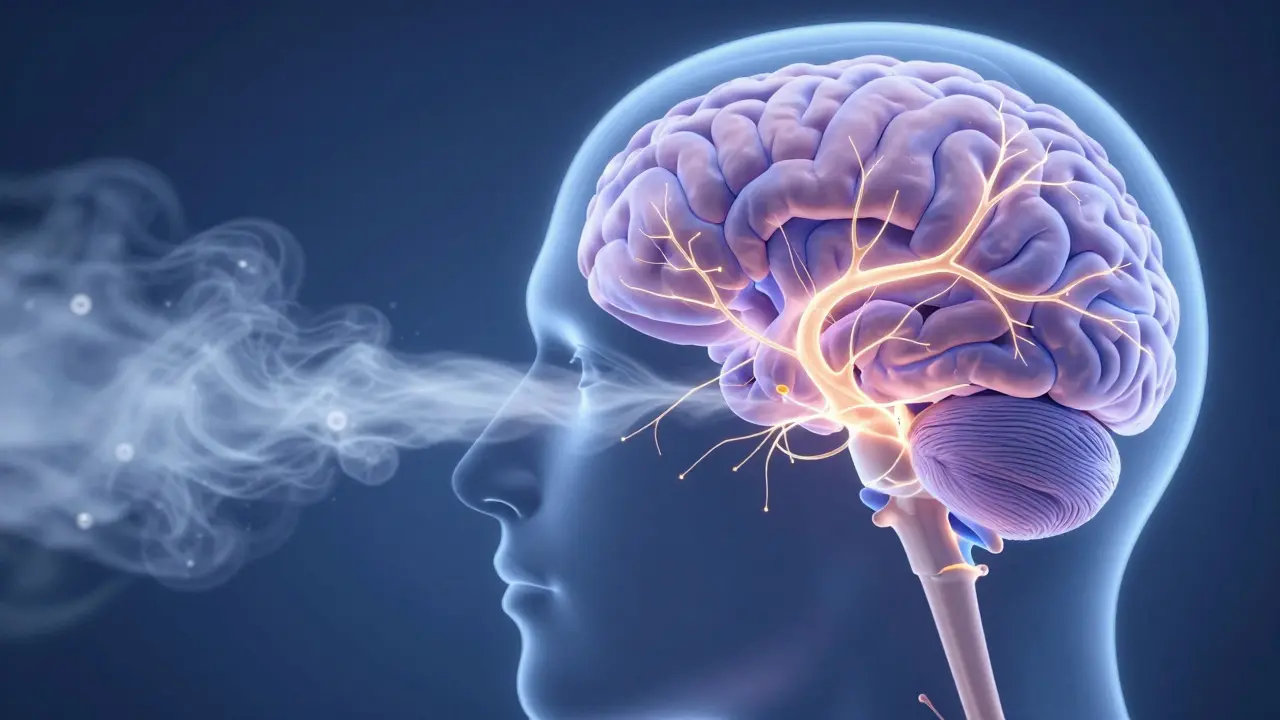
To understand why aromatherapy works, you have to look at the anatomy of smell. Unlike taste or touch, the sense of smell bypasses the thalamus-the brain's relay station-and goes straight to the limbic system. The limbic system includes the amygdala, which processes emotions, and the hippocampus, which handles memory. This direct line explains why a specific scent can instantly bring back a childhood memory or calm you down during a panic attack.
This biological pathway is the foundation of mind-body balance. If your nervous system is stuck in "fight or flight" mode due to chronic stress, certain scents can signal safety to the brain, helping shift you into "rest and digest" mode. It is not magic; it is neurochemistry.
Key Essential Oils for Balance
Not all essential oils do the same thing. Some are stimulants, while others are sedatives. Choosing the right oil depends on what kind of imbalance you are trying to correct. Here are the most effective options backed by both traditional use and modern research.
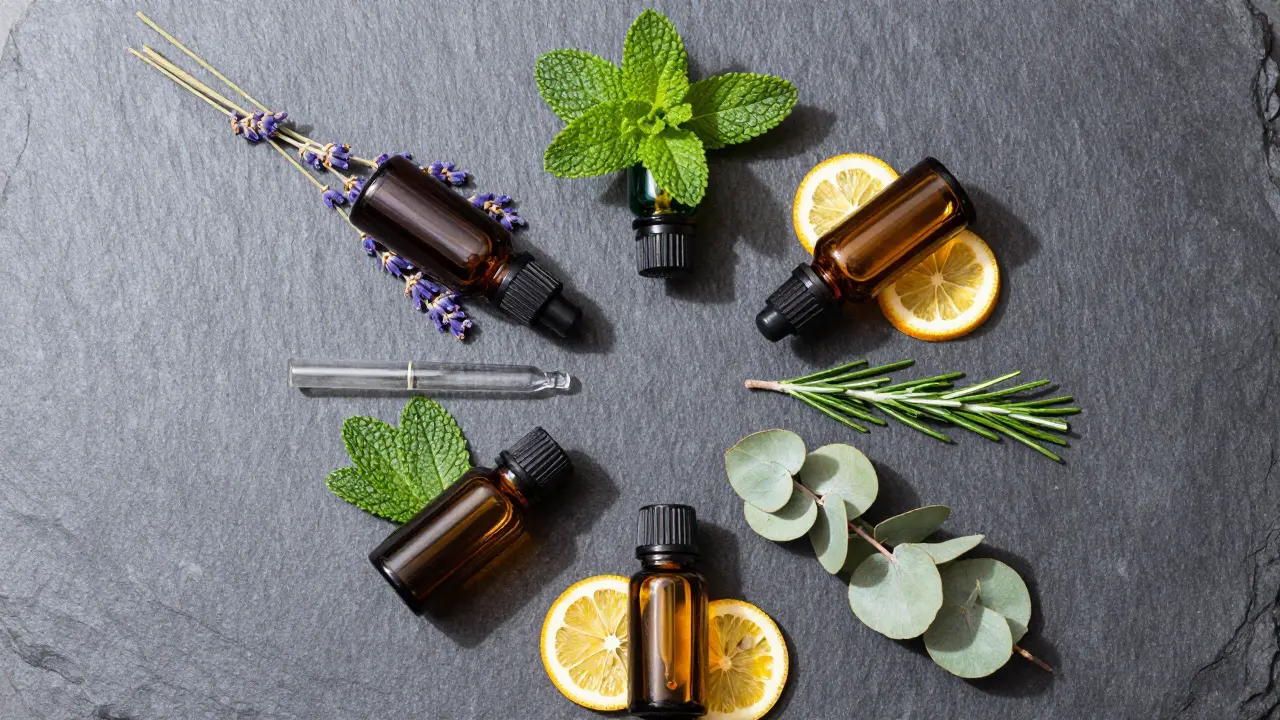
- Lavender (Lavandula angustifolia): The gold standard for relaxation. Studies suggest it can lower blood pressure and reduce anxiety. It contains linalool and linalyl acetate, compounds known for their calming effects.
- Peppeermint (Mentha piperita): Excellent for mental fatigue and headaches. The menthol content provides a cooling sensation that improves alertness and cognitive performance.
- Bergamot (Citrus bergamia): Unique among citrus oils because it is calming rather than stimulating. It helps reduce cortisol levels and is great for uplifting mood without causing jitteriness.
- Rosemary (Rosmarinus officinalis): Known to enhance memory and focus. It increases acetylcholine levels in the brain, which is crucial for learning and recall.
- Eucalyptus (Eucalyptus globulus): Great for respiratory issues and clearing mental fog. It opens up airways and promotes deep breathing, which itself is a powerful stress-reliever.
When selecting oils, always look for "100% pure essential oil" on the label. Avoid products labeled as "fragrance oil" or "perfume oil," as these are synthetic and lack the therapeutic properties of natural plant extracts.
Methods of Application
How you use the oil matters just as much as which oil you choose. There are three primary ways to introduce essential oils into your routine for mind-body balance.
- Inhalation: This is the fastest way to affect the limbic system. You can use a diffuser, place a drop on a tissue, or add a drop to a bowl of hot water and breathe in the steam. Diffusers disperse the oil into the air, allowing for continuous exposure, which is ideal for creating a calming environment in your home or office.
- Topical Application: Applying diluted oil to the skin allows for slower absorption into the bloodstream. Common spots include the wrists, temples, and soles of the feet. Always dilute essential oils in a carrier oil like jojoba, coconut, or almond oil. A general rule of thumb is a 2% dilution, which is about 12 drops of essential oil per ounce of carrier oil.
- Bath Soaks: Adding essential oils to a warm bath can combine the benefits of heat therapy and aromatherapy. However, oil and water don't mix, so you must first mix the oil with a dispersant like Epsom salts or a full-fat milk before adding it to the tub to avoid skin irritation.
Safety First: Risks and Precautions
Natural does not mean harmless. Essential oils are highly concentrated chemical compounds. Using them incorrectly can lead to skin burns, allergic reactions, or even toxicity. Here are some critical safety guidelines to follow.
| Guideline | Details |
|---|---|
| Dilution | Never apply undiluted essential oils to the skin. Use a carrier oil to reduce concentration. |
| Patch Test | Apply a small amount of diluted oil to your inner arm and wait 24 hours to check for reactions. |
| Pregnancy | Many oils are unsafe during pregnancy. Consult a healthcare provider before use. Avoid clary sage and rosemary. |
| Pets | Cats and dogs metabolize oils differently. Tea tree, eucalyptus, and peppermint can be toxic to pets. Keep diffusers out of reach. |
| Phototoxicity | Citrus oils like lemon and bergamot can cause severe burns if exposed to sunlight. Avoid sun exposure for 12 hours after topical use. |
If you have asthma or other respiratory conditions, consult a doctor before using inhalation methods. Strong scents can sometimes trigger bronchospasms. Also, keep essential oils out of reach of children, as ingestion can be dangerous.
Integrating Aromatherapy into Daily Life
Mind-body balance isn't achieved overnight. It requires consistent practice. Here is how you can weave aromatherapy into your daily routine for maximum benefit.
Morning Routine: Start your day with an energizing blend. Add two drops of peppermint and two drops of grapefruit to your diffuser while you get ready. This can help wake up your brain and set a positive tone for the day. Alternatively, rub a diluted blend on your wrists before checking your phone to create a mindful transition from sleep to wakefulness.
Work Breaks: If you work in a high-stress environment, keep a roller bottle of rosemary or lemon oil at your desk. Inhaling deeply for 30 seconds during breaks can reset your focus and reduce tension headaches. This is particularly useful if you spend long hours staring at screens.
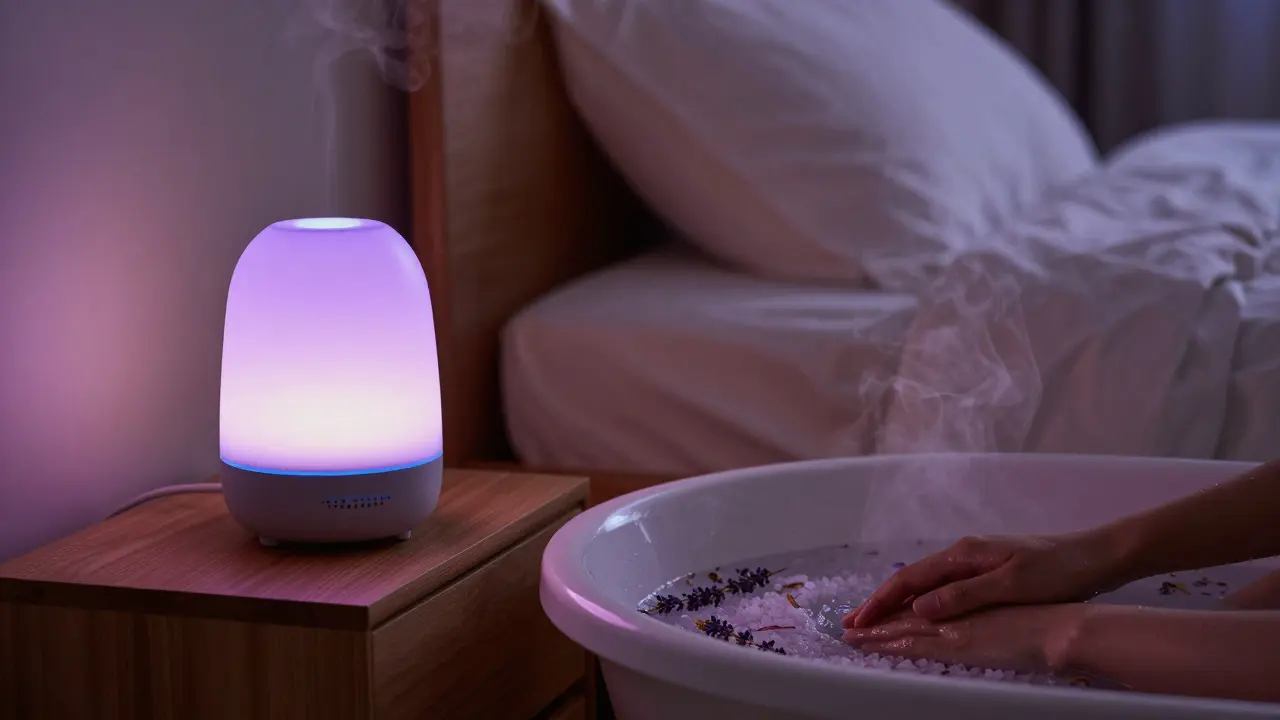
Evening Wind-Down: As the sun sets, switch to calming oils. Lavender or chamomile are perfect choices. Diffuse these in your bedroom an hour before bed to signal to your body that it is time to rest. You can also add a few drops to a warm foot soak to relax tense muscles.
The Limitations of Aromatherapy
While aromatherapy is a powerful adjunct therapy, it is not a replacement for medical treatment. If you are dealing with clinical depression, severe anxiety, or chronic pain, essential oils should complement, not replace, professional care. Think of aromatherapy as a tool in your wellness toolkit, similar to meditation or exercise. It supports overall health but does not cure disease on its own.
Research in this field is still growing. While many studies show promising results, more large-scale clinical trials are needed to fully understand the mechanisms and optimal dosages. Be skeptical of claims that promise miraculous cures. Stick to evidence-based uses like stress reduction, sleep improvement, and mild pain relief.
Choosing Quality Products
The market is flooded with low-quality oils. To ensure you are getting the real deal, look for brands that provide Gas Chromatography/Mass Spectrometry (GC/MS) reports. These tests verify the purity and composition of the oil. Reputable brands will make these reports available on their website or upon request. Also, check for dark glass bottles, as light can degrade the oils. Plastic bottles are a red flag, as essential oils can react with plastic and leach chemicals.
Can I ingest essential oils?
Generally, no. Most experts advise against ingesting essential oils unless under the direct supervision of a qualified healthcare professional. Internal use can cause serious damage to the digestive tract and organs. Stick to inhalation and topical application for safety.
How long does it take for aromatherapy to work?
The effects of inhalation can be immediate, often within minutes, as the scent reaches the brain quickly. Topical application may take longer, depending on absorption rates. For long-term benefits like reduced anxiety or better sleep, consistent daily use over several weeks is usually necessary.
Is aromatherapy safe for children?
It can be, but with caution. Children have more sensitive skin and respiratory systems. Use lower dilutions (around 1%) and avoid strong or potentially irritating oils like eucalyptus and peppermint for young children. Always consult a pediatrician before starting.
What is the best essential oil for sleep?
Lavender is widely considered the best for sleep due to its proven ability to lower heart rate and promote relaxation. Chamomile and vetiver are also excellent alternatives if you find lavender too sweet or familiar.
Do essential oils expire?
Yes, they do. Citrus oils typically last 1-2 years, while woody and resinous oils can last 3-4 years or more. Store them in a cool, dark place to extend their shelf life. If an oil smells rancid or off, discard it.