
HRV Stress Simulator
Heart Rate Variability (HRV) is a measure of your body's ability to adapt to stress. Higher HRV indicates better stress resilience.
Stress, fatigue, anxiety
Resilience, calm, health
65
HRV Score
Moderate Stress
Your body is adapting to stress but could improve
What your score means:
A score of 65 indicates moderate stress levels. This is typical for people who experience occasional anxiety or work-related stress. Consistent biofeedback training can help increase this score over time.
What if you could learn to calm your nervous system just by watching your own heartbeat? Not with meditation, not with breathing exercises alone-but by seeing real-time data from your body and using it to make immediate changes? That’s biofeedback. And it’s not science fiction. It’s a proven, non-drug tool used by athletes, therapists, and everyday people to take back control from chronic stress.
What Biofeedback Actually Does
Biofeedback is a technique that turns invisible bodily processes into visible signals-like a dashboard for your insides. You’re connected to sensors that measure things you can’t normally feel: heart rate, muscle tension, skin temperature, sweat levels, or brainwave patterns. These signals appear on a screen, often as graphs, tones, or moving bars. When you relax, the graph calms down. When you tense up, it spikes. Over time, your brain learns to associate certain thoughts or breathing patterns with calmness-and starts reproducing them without the machine.
It’s not about forcing relaxation. It’s about training your nervous system to recognize what calm feels like, so you can find it even when you’re not in a quiet room with a device. People who use biofeedback regularly report being able to lower their heart rate during a work meeting, stop a panic attack before it hits, or fall asleep faster without pills.
How It Works: The Science Behind the Screen
Your body is always sending signals. When you’re stressed, your sympathetic nervous system kicks in: your heart races, your muscles tighten, your palms sweat. That’s fight-or-flight mode. But most people don’t notice these changes until they’re already overwhelmed. Biofeedback gives you early warning.
One of the most common types measures heart rate variability (HRV)-the tiny changes in time between heartbeats. High HRV means your body is adaptable and resilient. Low HRV signals chronic stress. In a biofeedback session, you might see your HRV graph rise as you slow your breathing. That’s your parasympathetic nervous system-the rest-and-digest side-coming online. You’re not imagining it. You’re seeing real-time proof your body is shifting out of stress mode.
Studies from the American Psychological Association show biofeedback is effective for stress-related conditions like anxiety, migraines, high blood pressure, and even IBS. A 2023 meta-analysis in the Journal of Clinical Psychology found that after 8 weekly biofeedback sessions, participants reduced their perceived stress levels by an average of 42%, with results lasting at least six months after treatment ended.
Real-Life Examples: Who Uses It and Why
Think biofeedback is only for clinical settings? Think again.
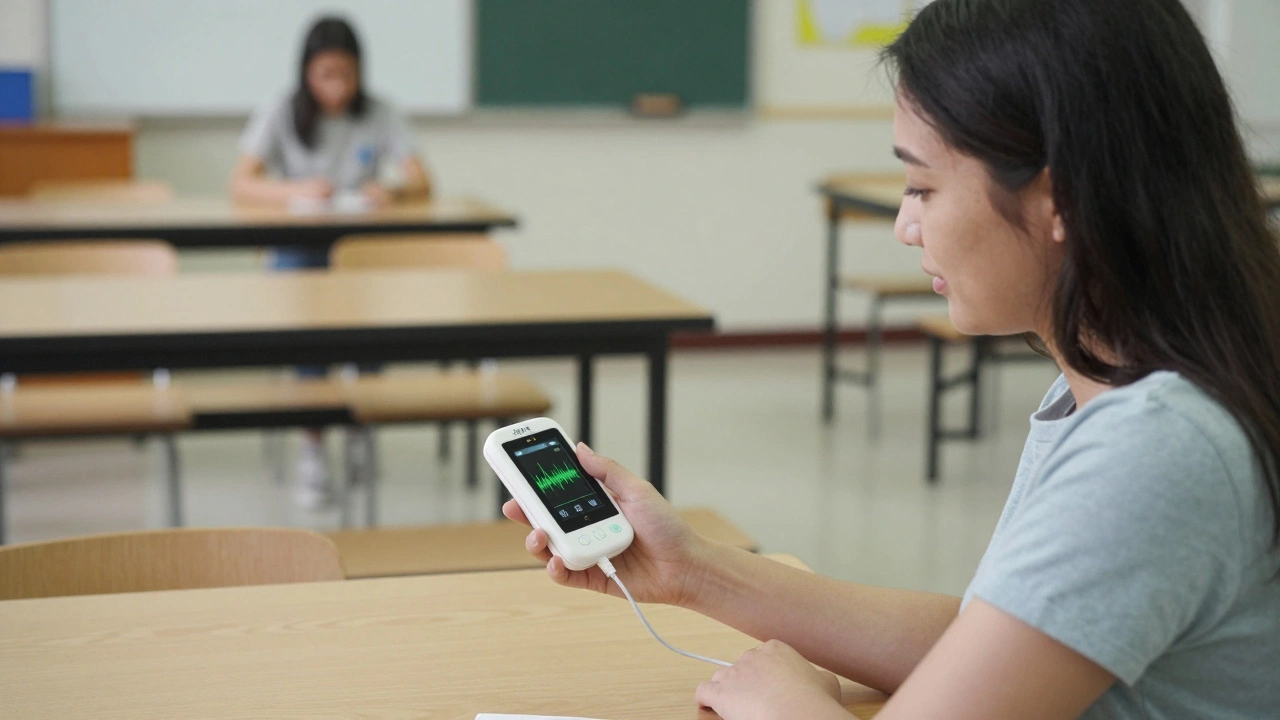
Teachers use handheld HRV monitors to check their stress levels before entering a noisy classroom. One school district in Oregon reported a 30% drop in teacher burnout after introducing 10-minute biofeedback breaks during lunch.
Professional athletes, like NBA players and Olympic swimmers, use biofeedback to optimize recovery. They don’t just rest-they monitor their heart rate recovery after training. If their HRV doesn’t bounce back within 20 minutes, they know they’re overtrained and need more sleep or lighter workouts.
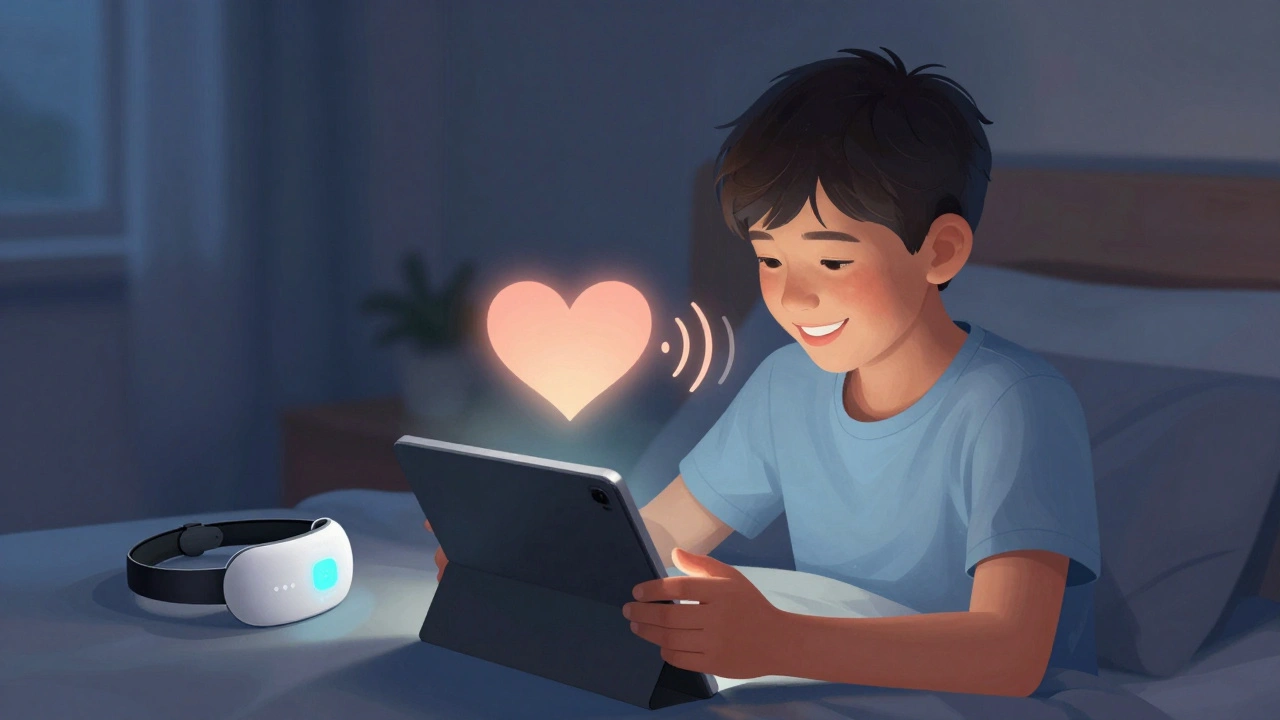
Even parents of kids with ADHD use biofeedback at home. Devices like the Muse headband or the HeartMath InnerBalance app help children learn to calm their nervous systems through games. One 12-year-old boy, after six weeks of daily 10-minute sessions, went from having three panic attacks a week to none. His mom said, “He started noticing when his chest felt tight-and he’d breathe before it got worse.”
Types of Biofeedback You Can Try Today
Not all biofeedback requires a clinic visit. Here are the most accessible types:
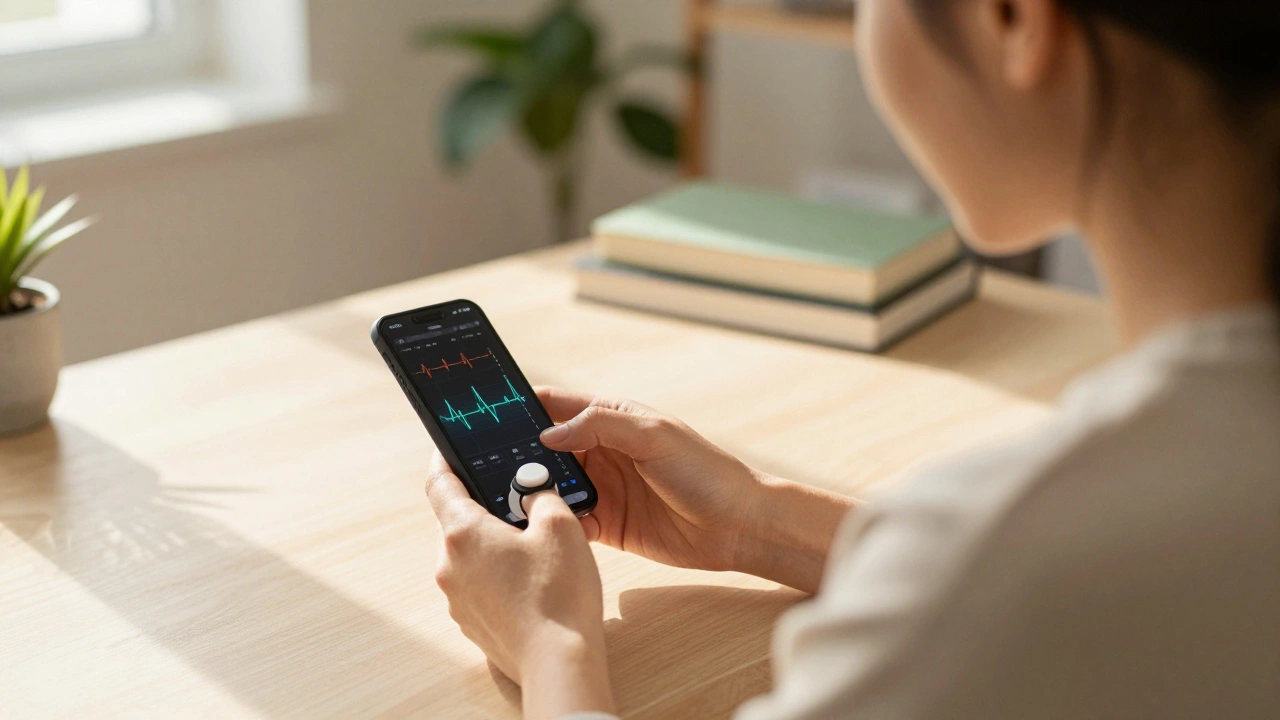
- Heart Rate Variability (HRV) Biofeedback: Uses a finger sensor or chest strap connected to a phone app. Best for stress, anxiety, sleep. Apps like HeartMath and Elite HRV guide you through breathing exercises based on your real-time data.
- Electromyography (EMG) Biofeedback: Measures muscle tension. Often used for headaches, jaw clenching, or back pain. You’ll see a graph of muscle activity as you relax your shoulders or jaw.
- Thermal Biofeedback: Tracks skin temperature. Cold hands = stress. Warm hands = calm. Useful for migraines and Raynaud’s syndrome.
- Neurofeedback (EEG): Measures brainwaves. Used for ADHD, insomnia, PTSD. Requires professional equipment but apps like Muse offer simplified versions.
You don’t need to buy expensive gear. Many smartphone apps cost under $20 and work with a simple finger sensor. Start with HRV-it’s the most reliable indicator of overall stress resilience.
How to Get Started: A Simple 5-Step Plan
Here’s how to begin biofeedback training without a therapist:
- Get a basic HRV monitor. Try the HeartMath InnerBalance sensor (works with iPhone/Android) or a $15 finger pulse sensor from Amazon.
- Set aside 10 minutes a day. Same time, same place. Morning or before bed works best.
- Focus on slow breathing. Inhale for 5 seconds, hold for 1, exhale for 6. Let the screen guide you. When your HRV line rises, you’re doing it right.
- Notice what thoughts help. Do you feel calmer when you picture a quiet beach? When you repeat “I’m safe”? Write it down.
- Practice without the device. After a week, try the same breathing without the monitor. Can you still calm your heart? That’s the goal.
Consistency matters more than duration. Five minutes daily for 30 days beats one 60-minute session once a month.
What Biofeedback Won’t Do
It’s not a magic cure. You can’t plug in and instantly become zen. It’s a skill-like learning to play guitar. The first few weeks feel awkward. Your mind wanders. The graph doesn’t move. That’s normal.
Biofeedback won’t replace therapy for trauma, severe anxiety, or depression. But it’s a powerful complement. Many therapists now combine it with CBT or EMDR because it gives clients tangible proof they’re changing.
And it won’t work if you’re using it to avoid real problems. If you’re stuck in a toxic job or an abusive relationship, biofeedback will help you manage the stress-but it won’t fix the source. Use it as a tool, not a bandage.
Why It’s Better Than Meditation Alone
Meditation asks you to sit still and hope for calm. Biofeedback gives you feedback. You know exactly when you’re succeeding. That’s why dropout rates are lower. People stick with it because they can see progress.
One study compared two groups: one meditating for 20 minutes a day, the other doing 10 minutes of HRV biofeedback. After 6 weeks, the biofeedback group had significantly higher HRV scores and reported feeling more in control of their emotions. The meditators felt better-but couldn’t prove it. The biofeedback group could point to their graphs and say, “Look. I did this.”
What to Expect After 30 Days
If you stick with it for a month, here’s what most people report:
- You notice tension in your shoulders or jaw before it turns into a headache.
- You catch yourself breathing shallowly in traffic-and correct it without thinking.
- You fall asleep faster because your body no longer thinks it’s in danger.
- You feel less reactive to criticism or bad news.
- You stop saying, “I just need to relax,” and start saying, “I know how to relax.”
That’s not just stress relief. That’s reclaiming your nervous system.
Final Thought: Your Body Knows the Way
Stress isn’t your fault. But how you respond to it? That’s yours to control. Biofeedback doesn’t ask you to change your life. It asks you to listen to your body-and trust what it’s telling you. You’ve been ignoring those signals for years. Now you have a way to hear them clearly. And once you do, you’ll never go back to guessing whether you’re calm-or just pretending to be.
Is biofeedback safe?
Yes. Biofeedback is non-invasive and has no known side effects. Sensors only read your body’s signals-they don’t send electricity or radiation into you. It’s used on children, pregnant women, and elderly patients. The only risk is wasting time if you don’t practice consistently.
Do I need a therapist to use biofeedback?
No, but it helps. You can start with affordable apps and sensors at home. However, if you have chronic pain, PTSD, or severe anxiety, working with a certified biofeedback therapist (BCB or BCB-P) gives you personalized protocols and faster results. Look for someone certified by the Biofeedback Certification International Alliance (BCIA).
How long until I see results?
Most people notice small changes within 1-2 weeks: better sleep, less jaw tension, calmer reactions. Major shifts-like fewer panic attacks or lower blood pressure-usually take 4-8 weeks of consistent daily practice. Like fitness, progress builds slowly but lasts.
Can biofeedback help with insomnia?
Yes. High stress keeps your nervous system in fight-or-flight mode, making sleep impossible. Biofeedback trains your body to switch into rest mode before bed. A 2024 study in the Journal of Sleep Research found that participants using HRV biofeedback fell asleep 22 minutes faster on average and woke up less during the night.
Is biofeedback covered by insurance?
Sometimes. Many insurance plans cover biofeedback if prescribed by a doctor for conditions like migraines, hypertension, or chronic pain. Home devices are rarely covered, but you can often use HSA or FSA funds to buy them. Check with your provider and ask for a diagnosis code like ICD-10: F43.2 (adjustment disorder with anxiety).
If you’re tired of feeling like stress controls you, biofeedback gives you the tools to take back command. It’s not about becoming a different person. It’s about remembering who you are when you’re not afraid.