Have you ever walked into a bakery and felt an instant wave of comfort just from the smell of fresh bread? Or perhaps the scent of rain on hot pavement instantly calmed your nerves after a stressful day? That is not magic. It is biology. Your sense of smell is directly wired to the limbic system, the part of your brain that controls emotions, memory, and stress responses. While taste fades quickly, scent lingers in your emotional landscape.
This connection is why Aromatherapy is a holistic healing treatment that uses natural plant extracts to improve physical and mental well-being has surged in popularity. It is not just about making your home smell nice. It is a practical, science-backed tool for regulating your mood. If you are feeling drained, anxious, or simply stuck in a low-energy loop, essential oils can offer a rapid, non-invasive reset. Here is how to use them effectively, safely, and without wasting money on products that do not work.
Understanding How Scent Changes Your Brain Chemistry
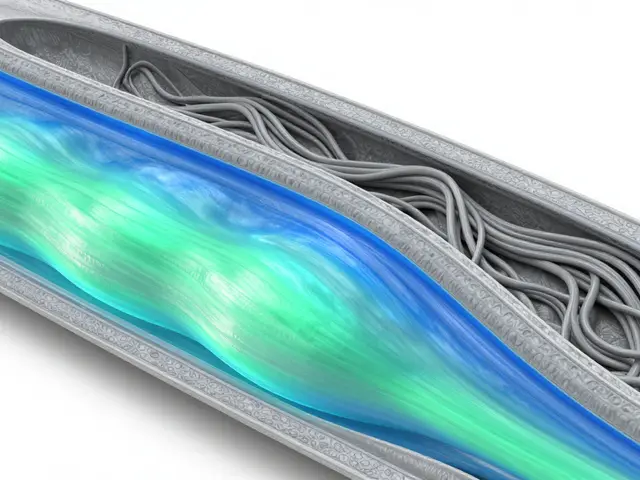
Before you buy any bottles, it helps to understand what is happening under the hood. When you inhale an aromatic compound, molecules travel up your nasal cavity and bind to olfactory receptors. These receptors send signals directly to the amygdala and hippocampus-areas responsible for processing fear, pleasure, and memory. This bypasses the thalamus, which acts as a relay station for other senses like sight and touch. That is why a smell can trigger a vivid memory or emotion before you even consciously realize what you are smelling.
Research supports this mechanism. Studies published in journals like *Evidence-Based Complementary and Alternative Medicine* have shown that certain essential oils can lower cortisol levels (the stress hormone) and increase serotonin production. For example, lavender oil has been clinically observed to reduce anxiety symptoms comparable to mild sedatives in some contexts. Citrus oils, particularly bergamot and sweet orange, have been linked to increased alertness and improved mood states. Understanding this biological pathway transforms aromatherapy from a vague "wellness trend" into a tangible tool for self-regulation.
Selecting the Right Essential Oils for Your Specific Mood
Not all essential oils do the same thing. Using peppermint when you need calm might actually overstimulate you, just as using heavy sandalwood when you need energy could make you feel sluggish. You need to match the oil to your specific emotional state. Here is a breakdown of the most effective oils for common mood challenges:
- For Anxiety and Stress: Lavender (Lavandula angustifolia) is the gold standard. It contains linalool and linalyl acetate, compounds proven to slow down heart rate and promote relaxation. Chamomile, specifically Roman chamomile, offers a gentle, soothing effect similar to a warm cup of tea but through inhalation.
- For Low Energy and Brain Fog: Lemon (Citrus limon) and Sweet Orange (Citrus sinensis) are uplifting. Their bright, citrusy notes stimulate the mind and can help combat fatigue. Peppermint is also excellent here, providing a sharp, clarifying burst that wakes up the senses.
- For Sadness or Emotional Heaviness: Ylang-Ylang (Cananga odorata) has a rich, floral scent that is often used to lift spirits. Bergamot is unique because it is both calming and uplifting, making it ideal for "tired but wired" feelings where you are stressed but also exhausted.
- For Focus and Clarity: Rosemary (Rosmarinus officinalis) and Frankincense (Boswellia sacra) help ground scattered thoughts. Frankincense, in particular, is associated with deep breathing and meditation, helping to quiet mental chatter.
When shopping, look for "100% pure essential oil." Avoid terms like "fragrance oil" or "perfume oil," which are synthetic and lack the therapeutic compounds found in plants. The source matters too. Lavender grown in different regions can have varying chemical profiles, so reputable brands will disclose the botanical name and origin.
Safety First: Dilution and Application Methods
Essential oils are highly concentrated plant extracts. They are powerful, and using them incorrectly can lead to skin irritation, allergic reactions, or even toxicity if ingested improperly. Never apply undiluted essential oils directly to your skin, except in rare cases recommended by a certified aromatherapist. Always dilute them in a carrier oil like jojoba, fractionated coconut oil, or sweet almond oil.
A safe general dilution rate for adults is 1-2%. This means adding 1-2 drops of essential oil per teaspoon (5 mL) of carrier oil. For sensitive skin, children, or the elderly, stick to 0.5-1%. Patch test any new blend on a small area of your inner arm and wait 24 hours to check for reactions.
Inhalation is generally the safest and fastest method for mood enhancement. You can diffuse oils in the air, inhale directly from the bottle, or add a drop to a bowl of hot water and breathe in the steam (keeping your eyes closed). Topical application is slower but longer-lasting; massage diluted oils into your wrists, temples, or the soles of your feet. Ingestion should only be done under professional guidance, as many oils are toxic if swallowed.
Step-by-Step: Creating Your Personal Mood Blends
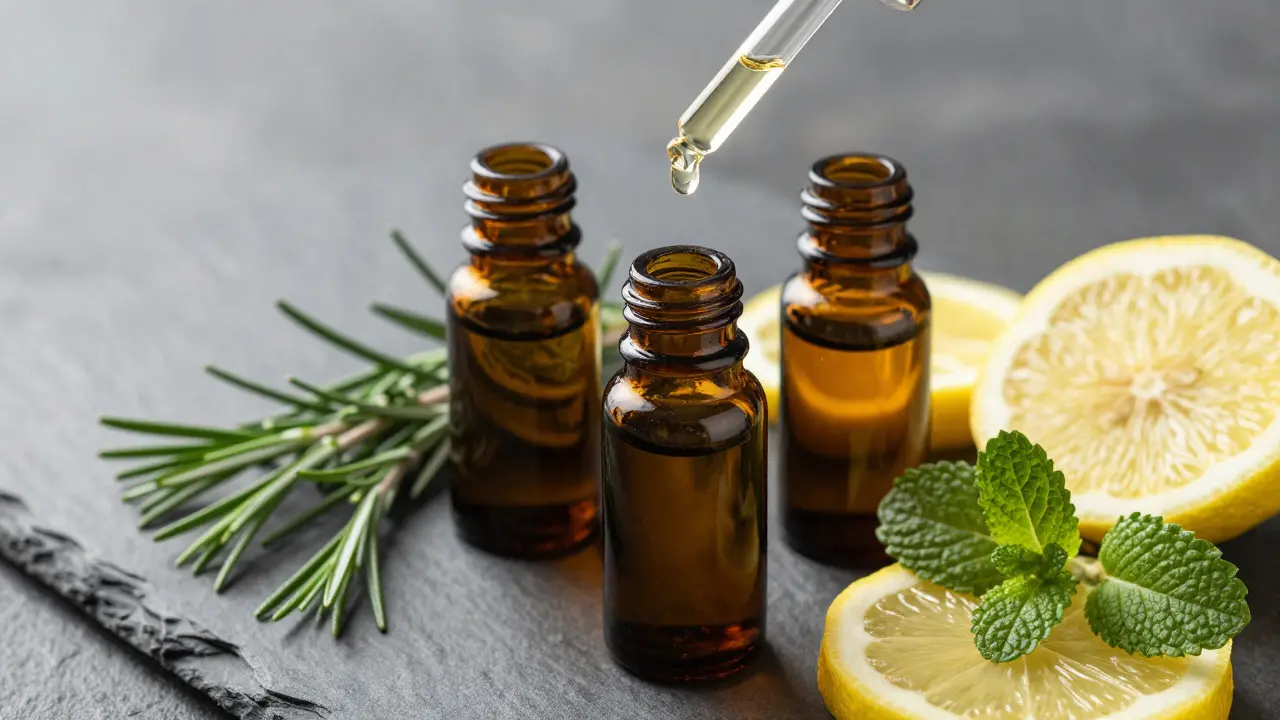
You do not need to be a chemist to create effective blends. Synergy is key-combining oils can enhance their individual effects. Here are three simple, tested recipes for common scenarios:
- The "Calm Down" Blend: Mix 3 drops of Lavender, 2 drops of Frankincense, and 1 drop of Vetiver. Vetiver is earthy and grounding, anchoring the lighter scents of lavender and frankincense. Use this in a diffuser during evening wind-down routines or when feeling overwhelmed.
- The "Wake Up & Shine" Blend: Combine 2 drops of Lemon, 2 drops of Peppermint, and 1 drop of Rosemary. This blend is invigorating and clear-headed. Apply topically (diluted) to your temples or diffuse it in the morning workspace to boost focus and energy.
- The "Happy Heart" Blend: Blend 2 drops of Ylang-Ylang, 2 drops of Bergamot, and 1 drop of Sweet Orange. This floral-citrus mix is designed to lift spirits and combat feelings of sadness or isolation. Inhale deeply for one minute whenever you feel a dip in mood.
Keep a notebook to track which blends work best for you. Your personal chemistry and preferences play a huge role. What calms one person might irritate another. Adjust ratios based on your sensitivity and the intensity of the scent you prefer.
Integrating Aromatherapy Into Daily Life
The biggest mistake people make is treating aromatherapy as a crisis intervention rather than a daily practice. Consistency builds resilience. Try incorporating scent into your existing routines:
- Morning Shower: Add 2-3 drops of citrus or eucalyptus oil to the floor of your shower (away from direct water flow) or onto a washcloth. The steam will carry the aroma, creating an invigorating start to your day.
- Commute: Keep a small rollerball of your "Focus" or "Calm" blend in your car. Apply it to your pulse points before driving to manage road rage or traffic stress.
- Work Breaks: Keep a diffuser at your desk or a tissue with a drop of peppermint or rosemary nearby. Take three deep breaths during breaks to reset your mental state and prevent afternoon slumps.
- Bedtime Ritual: Diffuse lavender or chamomile 30 minutes before bed. Pair this with dim lighting and no screens to signal to your body that it is time to rest.
You can also use scent anchors. If you want to associate a specific activity with relaxation, always use the same calming blend during that activity. Over time, your brain will link the scent with the relaxed state, triggering the response faster each time.

Common Pitfalls to Avoid
Even with the right oils, bad habits can undermine your results. One major issue is over-diffusing. Running a diffuser for 8 hours straight can desensitize your olfactory receptors, meaning you stop noticing the benefits. Aim for 30-60 minutes of diffusion, then take a break. Your nose needs rest to remain sensitive.
Another pitfall is ignoring quality. Cheap, synthetic oils may smell pleasant initially but lack the complex chemical profile needed for therapeutic effects. Look for brands that provide GC/MS (Gas Chromatography/Mass Spectrometry) reports, which verify the purity and composition of the oil. Storage also matters. Light, heat, and oxygen degrade essential oils. Store them in dark glass bottles, away from sunlight and heat sources, and keep lids tightly closed.
Finally, do not rely on aromatherapy as a sole treatment for clinical depression or severe anxiety disorders. It is a complementary therapy, not a replacement for medical care. If you are struggling with persistent mental health issues, consult a healthcare provider. Aromatherapy works best as part of a holistic approach that includes sleep, nutrition, exercise, and professional support when needed.
| Oil Name | Primary Benefit | Best Method | Safety Note |
|---|---|---|---|
| Lavender | Reduces anxiety, promotes sleep | Diffusion, topical | Safe for most, avoid ingestion |
| Bergamot | Uplifting, reduces stress | Diffusion, inhalation | Photosensitive; avoid sun exposure after topical use |
| Peppermint | Increases energy, improves focus | Inhalation, topical (diluted) | Can be irritating; dilute well |
| Ylang-Ylang | Lifts mood, reduces tension | Diffusion | Strong scent; use sparingly |
| Frankincense | Grounding, aids meditation | Diffusion, topical | Generally safe, high quality preferred |
Building a Sustainable Practice
Start small. Buy two or three high-quality oils that address your most immediate needs. Experiment with single-note applications before moving to blends. Pay attention to how your body and mind respond. Do you feel calmer within five minutes? More focused after ten? Track these moments. This data helps you refine your practice and invest wisely in future purchases.
Remember, aromatherapy is personal. There is no universal "best" oil. Your unique physiology, past experiences, and current environment all influence how you react to scents. Be patient with yourself. It takes time to learn what works. But with consistent, mindful use, you can harness the power of scent to create a more balanced, resilient, and joyful life.
How long does it take for aromatherapy to work?
Inhalation methods like diffusion or direct sniffing can produce effects within minutes, as the scent travels directly to the brain. Topical application may take slightly longer, as the compounds absorb through the skin and enter the bloodstream gradually. Consistent daily use yields the most significant long-term benefits for mood regulation.
Can I use essential oils around pets?
Caution is advised. Cats and dogs metabolize essential oils differently than humans. Some oils, like tea tree, eucalyptus, and peppermint, can be toxic to pets if ingested or applied topically. Always ensure good ventilation, allow pets to leave the room if they choose, and consult your veterinarian before diffusing oils regularly in a shared space.
Are there any essential oils I should avoid during pregnancy?
Yes. Many essential oils are contraindicated during pregnancy, especially in the first trimester. Oils like clary sage, rosemary, and juniper can stimulate uterine contractions. Always consult your obstetrician or midwife before using any essential oils during pregnancy. Generally, light diffusion of lavender or lemon is considered safer, but professional guidance is crucial.
What is the difference between essential oils and fragrance oils?
Essential oils are extracted directly from plants through distillation or cold pressing, retaining the plant's natural therapeutic compounds. Fragrance oils are synthetic creations designed to mimic scents. They lack the medicinal properties of essential oils and may contain allergens or irritants. For mood benefits, always choose 100% pure essential oils.
How should I store my essential oils?
Store essential oils in dark glass bottles (amber or cobalt blue) to protect them from light degradation. Keep them in a cool, dry place away from direct sunlight and heat sources. Tighten caps securely to prevent oxidation. Properly stored, most essential oils last 1-3 years, though citrus oils have a shorter shelf life of about 6-12 months.