You might have heard of talk therapy. You sit on a couch, you speak, and a professional listens. But what if your trauma is stuck in your body? What if the words just don't exist to describe how you feel? This is where Creative Arts Therapies are a group of mental health disciplines that use the creative process of art-making, music, dance, and drama to improve physical, emotional, and mental well-being. It’s not about becoming an artist. It’s about using creativity as a tool for healing.
In Melbourne alone, the demand for these non-traditional therapies has spiked over the last five years. People are tired of just talking. They want to *do*. They want to move, create, and express. If you are new to this field, it can look like a colorful blur of paintbrushes, drums, and stage lights. Let’s break down exactly what each modality does, who it helps, and how you can start exploring them safely.
What Exactly Is Creative Arts Therapy?
At its core, creative arts therapy bridges the gap between psychology and the arts. Unlike standard psychotherapy, which relies heavily on verbal communication, these therapies access parts of the brain that language cannot reach. When you experience deep stress or trauma, the logical part of your brain (the prefrontal cortex) often shuts down. However, the sensory and motor parts of your brain remain active.
Expressive Arts Therapy is an interdisciplinary approach that integrates multiple art forms-such as visual art, movement, music, poetry, and drama-to facilitate therapeutic change. Think of it as a toolkit. A therapist might ask you to draw a feeling, then act it out, and finally write a poem about it. This multi-sensory approach helps integrate fragmented memories and emotions. It is widely used in hospitals, schools, and private practices across Australia and globally.
The key distinction here is intent. In an art class, the goal is a good painting. In art therapy, the goal is insight. The final product doesn’t matter; the process does. You might crumple up the paper. That’s fine. The act of crumpling released tension. That is the data point the therapist uses.
The Four Main Pillars of Creative Arts Therapy
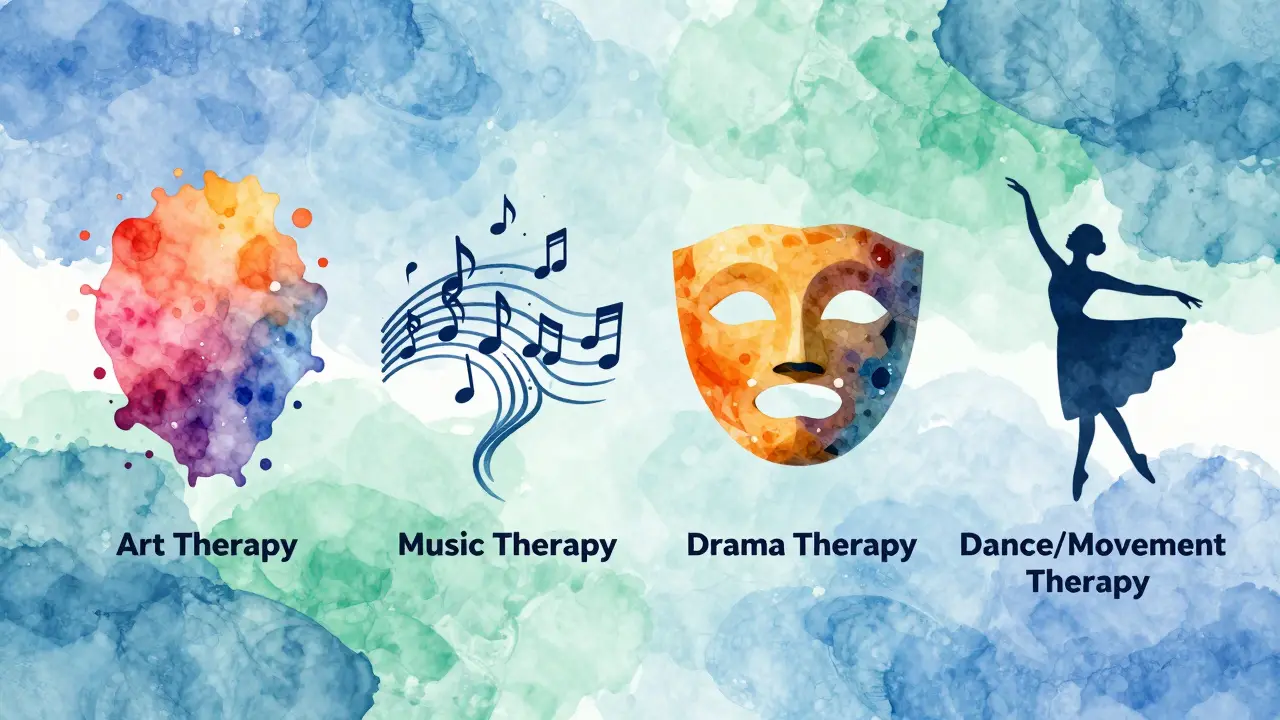
While "expressive arts" blends everything together, most practitioners specialize in one of four main modalities. Each has unique benefits and specific applications. Understanding the difference helps you choose the right path for your needs.
| Modality | Primary Tool | Best For | Key Benefit |
|---|---|---|---|
| Art Therapy | Visual media (paint, clay, collage) | Trauma processing, anxiety reduction | Externalizing internal feelings without words |
| Music Therapy | Sound, rhythm, instruments, voice | Mood regulation, cognitive stimulation | Immediate physiological calming effect |
| Drama Therapy | Role-play, storytelling, masks | Social skills, empathy, identity exploration | Safe distance from personal issues through character |
| Dance/Movement Therapy | Body motion, posture, gesture | Somatic healing, body image issues | Reconnecting mind and body after trauma |
Art Therapy: Seeing the Unseen
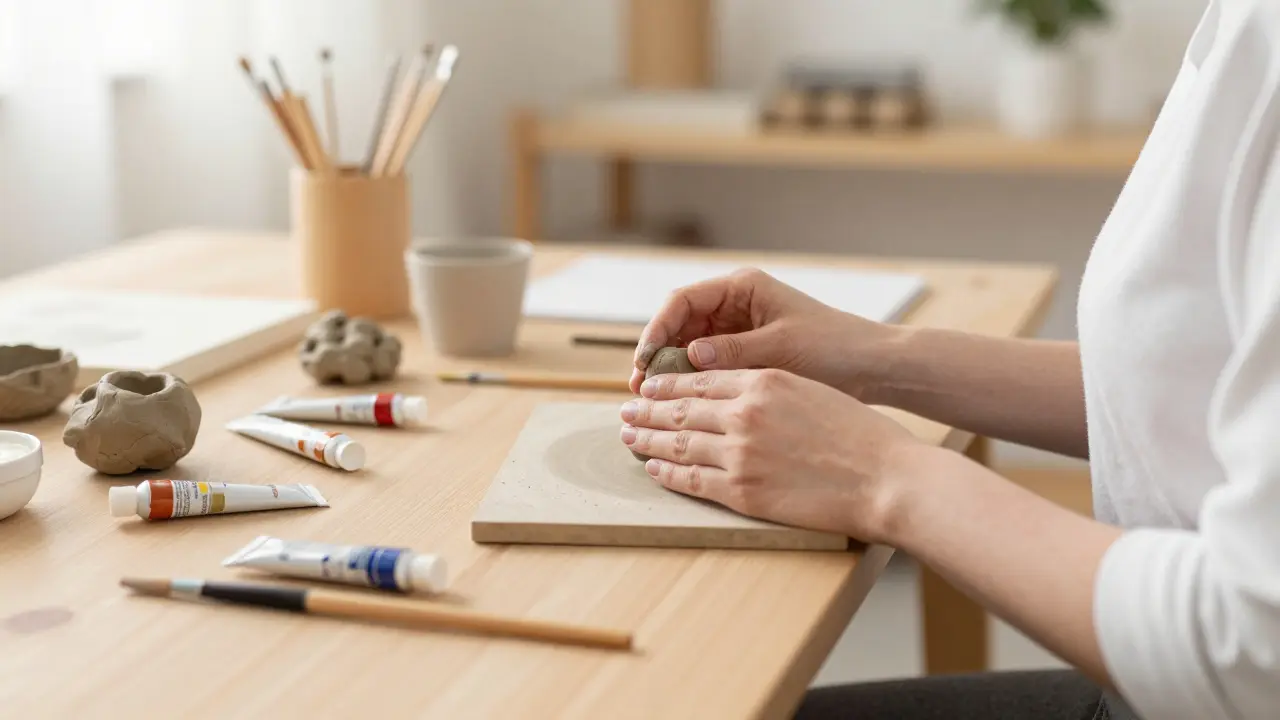
Art Therapy is a mental health profession that uses the creative process of art-making to improve and enhance the physical, mental, and emotional well-being of individuals. It is perhaps the most recognized form. You don’t need talent. In fact, lack of technical skill can be liberating because it removes the pressure to perform.
Consider a client dealing with grief. Talking about the loss might feel too raw. Instead, the therapist asks them to build a sculpture representing their memory of the person. As they shape the clay, they might realize they feel "heavy" or "broken." These metaphors become the entry point for conversation. Art therapy is particularly effective for children, who naturally communicate through play and drawing, and for adults with PTSD, where verbal recall can trigger panic attacks.
Music Therapy: Healing Through Sound
Music Therapy is the clinical and evidence-based use of music interventions to accomplish individualized goals within a therapeutic relationship by a credentialed professional. This isn’t just listening to Spotify. It involves active participation. A therapist might use drumming to help a patient regulate their breathing during a panic attack. Rhythm entrains the heart rate. Slow, steady beats slow down the nervous system.
In neuro-rehabilitation, music therapy is powerful. Patients with stroke-induced aphasia (loss of speech) can often still sing lyrics. This is because music processes language in different areas of the brain than spoken word. By singing, patients can regain functional communication. In Melbourne, many aged care facilities use music therapy to reduce agitation in dementia patients, helping them reconnect with long-term memories.
Drama Therapy: Playing Roles to Find Yourself
Drama Therapy is a dynamic, experiential mode of psychotherapy that incorporates dramatic methods and processes from theatre to foster the rehabilitation and integration of the mind, body, and emotion of the individual. This sounds theatrical, but it’s deeply psychological. Techniques include role-playing, psychodrama, and mask work.
Imagine a teenager struggling with social anxiety. In drama therapy, they might practice a difficult conversation with a peer by acting it out. First, they play themselves. Then, they swap roles and play the peer. This builds empathy and reduces fear of the unknown. It allows people to experiment with new behaviors in a safe, contained environment before trying them in real life.
Dance/Movement Therapy: The Body Keeps the Score
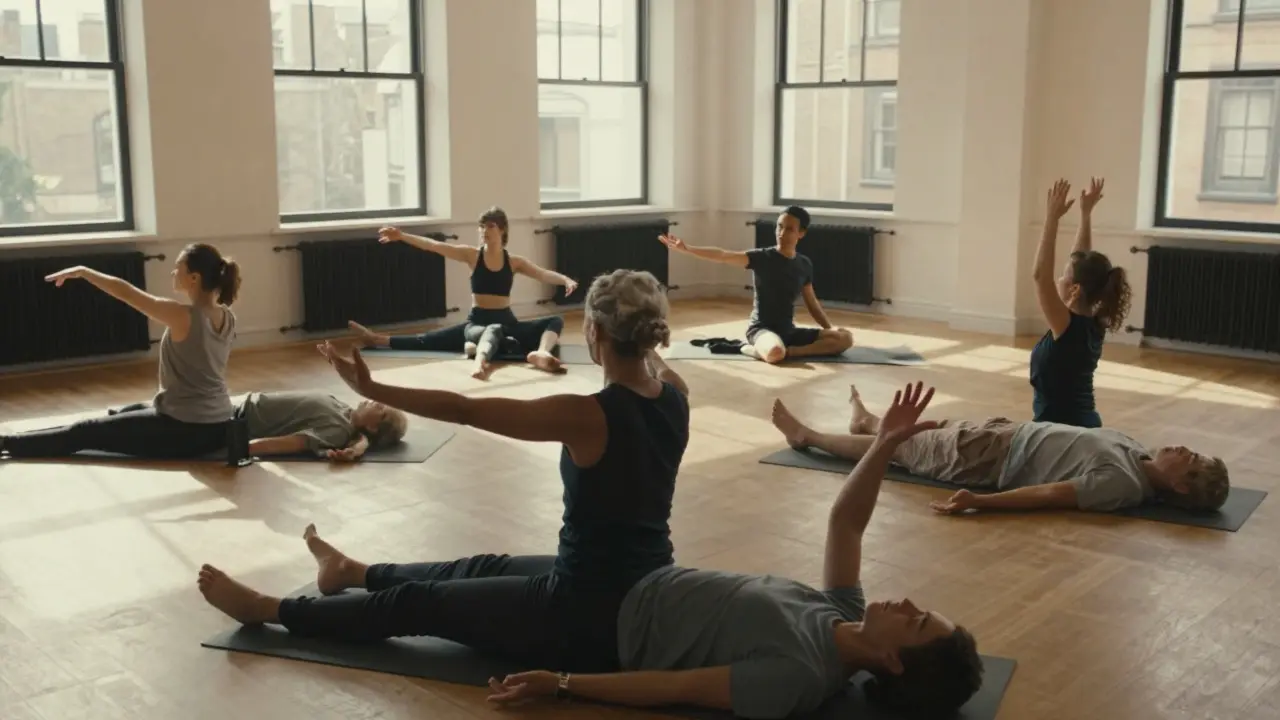
Dance Movement Therapy (DMT) is the psychotherapeutic use of movement to promote emotional, social, cognitive, and physical integration of the individual. Trauma lives in the body. Survivors of abuse often hold tension in their shoulders or freeze when threatened. DMT focuses on awareness of movement and sensation.
A session might involve mirroring. The therapist mirrors the client’s movements, creating a sense of being seen and understood without words. Over time, clients learn to expand their movement repertoire. A person who moves only in small, restricted ways might gradually learn to take up space. This physical expansion often translates to increased confidence and assertiveness in daily life.
Who Benefits From Creative Arts Therapies?
You might think these therapies are only for children or artists. The reality is much broader. Research shows efficacy across diverse populations.
- Children and Adolescents: Kids often lack the vocabulary for complex emotions. Play and art are their native languages. Schools use these therapies to support students with behavioral issues or learning disabilities.
- Trauma Survivors: For those with PTSD, traditional talk therapy can sometimes re-traumatize. Creative approaches allow indirect processing, keeping the client in a safe window of tolerance.
- Elderly Individuals: Music and reminiscence therapy help combat loneliness and cognitive decline in aging populations. It preserves identity when memory fades.
- People with Neurodivergence: Autism spectrum disorder (ASD) and ADHD can make verbal interaction challenging. Structured creative activities provide predictable, engaging outlets for expression.
- Chronic Pain Patients: Distraction through creation can alter pain perception. Engaging in flow states during art or music reduces the brain's focus on pain signals.
How to Get Started as a Beginner
If you are considering creative arts therapy for yourself, or even thinking about becoming a practitioner, here is how to navigate the landscape.
Finding a Qualified Therapist
This is crucial. Anyone can buy paints and call themselves an art therapist. Look for credentials. In Australia, check if the therapist is registered with the Arts Therapists Association of Australia (ATAA). Internationally, look for board certification (ATR-BC in the US, UKCP in the UK). A qualified therapist has completed a master’s degree in their specific modality and hundreds of hours of supervised clinical practice.
Setting Expectations
Your first session will likely involve assessment, not immediate creation. The therapist will ask about your history, goals, and preferences. Be honest about any discomfort with certain mediums. If you hate singing, tell your music therapist. They will adapt. There is no "wrong" way to participate. Resistance is often part of the therapeutic material itself.
Cost and Accessibility
In Australia, creative arts therapies are not always covered by Medicare rebates unless provided by a psychologist with additional training. However, some private health funds offer extras cover. Community health centers often provide subsidized services. Don’t let cost stop you from inquiring; many therapists offer sliding scale fees based on income.
Common Misconceptions Debunked
"I’m not creative." Creativity is a human trait, not a talent. Breathing is a biological function; creativity is a psychological function. You do not need to be Picasso. You just need to be willing to try.
"It’s just a hobby." Hobbies are for leisure. Therapy is for healing. A hobbyist paints to relax. A therapy client paints to confront fear. The structure, safety, and professional guidance make all the difference.
"It’s only for kids." Adults benefit immensely. The constraints of adult life often suppress emotional expression. Creative arts provide a sanctioned space to release pent-up frustration, grief, or joy without judgment.
Conclusion: Your Path Forward
Creative arts therapies offer a profound alternative to traditional talk-based methods. By engaging the senses, you bypass defensive mechanisms and access deeper layers of self-understanding. Whether you choose to pick up a brush, strike a drum, step onto a stage, or simply move your body, you are taking an active role in your healing journey.
Start small. Try a local community art class to see how you feel. Read memoirs by therapists. Ask questions. The world of expressive healing is vast, welcoming, and ready for you. You don’t need to be perfect. You just need to begin.
Is creative arts therapy effective for depression?
Yes, studies show that creative arts therapies can significantly reduce symptoms of depression. The act of creating releases dopamine and provides a sense of accomplishment. It also offers a non-verbal outlet for negative emotions that fuel depressive cycles. Music therapy, in particular, has been shown to improve mood regulation.
Do I need artistic talent to benefit from art therapy?
Absolutely not. Art therapy is not about producing a masterpiece. It is about the process of creation. The therapist is trained to interpret the symbolic meaning behind your choices, regardless of technical skill. In fact, beginners often find it easier because they are less concerned with perfection.
How long does a typical creative arts therapy session last?
Most sessions last between 45 to 60 minutes. This includes time for preparation, the creative activity itself, and a period of reflection or discussion with the therapist. Group sessions may run longer, typically 90 minutes, to allow for sharing among participants.
Can creative arts therapy replace medication?
It depends on the individual and their condition. For mild to moderate anxiety or depression, it may be sufficient. For severe conditions, it is often used as a complementary treatment alongside medication and other therapies. Always consult with your primary healthcare provider before making changes to your medical regimen.
What should I wear to a dance/movement therapy session?
Wear comfortable, loose-fitting clothing that allows for a full range of motion. Avoid restrictive jeans or high heels. You should feel free to stretch, crouch, or spin without worrying about tearing your clothes or losing balance. Comfort is key to letting go of inhibition.