Most of us have tried a diet at some point. You cut out carbs, you skip breakfast, or you count every single calorie until your head spins. Then, three weeks later, you’re back to ordering takeout because it was just too hard to sustain. That’s the problem with how we talk about food. We treat it like a temporary fix rather than a permanent part of who we are. A healthy diet isn’t about restriction; it’s about building a lifestyle that actually keeps you energized, focused, and happy in the long run.
When I started looking into this properly, I realized that "wellness" isn't a destination you arrive at after losing five kilos. It’s the daily result of small choices. You don’t need a magic pill or a trendy detox tea. You need a system that works for your life, not against it. Let’s look at what that actually looks like on a Tuesday morning when you’re running late for work.
Rethinking What a Healthy Diet Actually Is
We often confuse "dieting" with "eating healthy." They are two very different things. Dieting implies a start date and an end date. Eating healthy is just… eating. The goal here is to shift your mindset from deprivation to nourishment. Think about it: would you put low-quality fuel in a high-performance car? Probably not. Your body is the same way. It needs quality inputs to produce quality outputs.
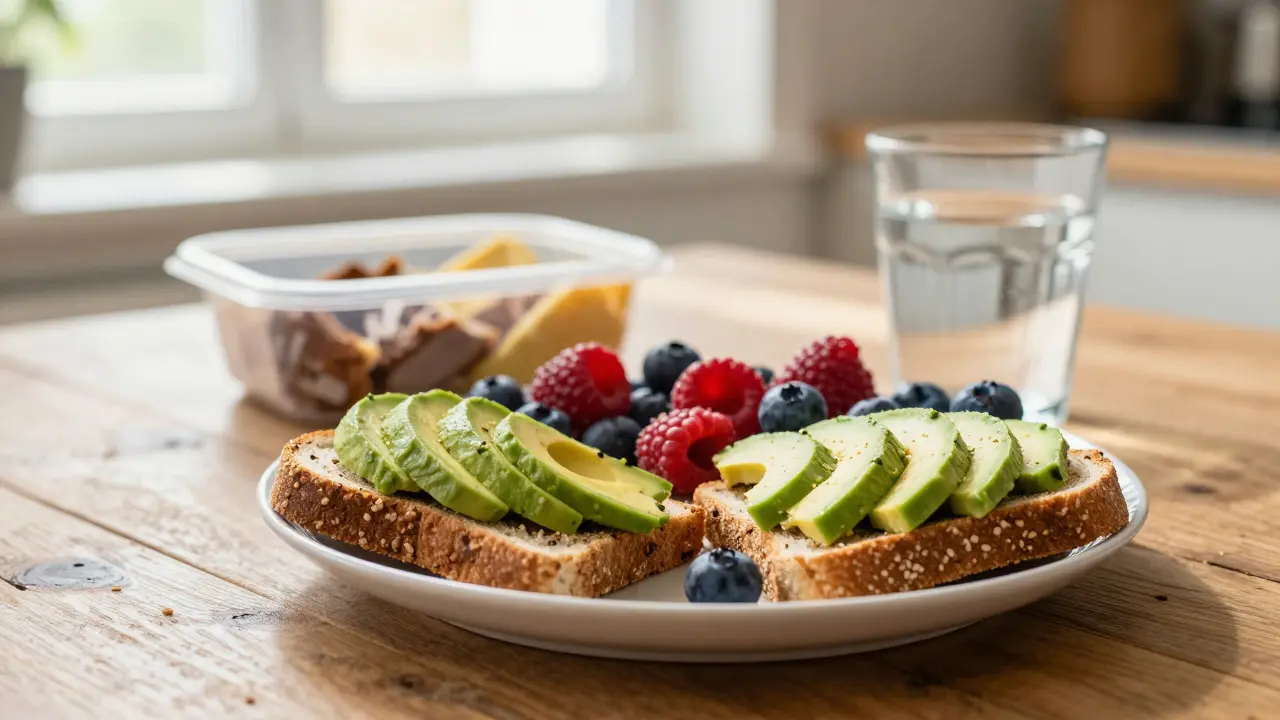
A truly healthy diet focuses on nutrient density. This means choosing foods that give you the most vitamins, minerals, and energy per calorie. It’s not about being perfect. It’s about making better choices more often. For example, swapping white bread for wholegrain toast adds fiber and slows down sugar absorption. That simple swap can keep you full for hours instead of feeling hungry again an hour later.
| Approach | Focus | Sustainability | Key Benefit |
|---|---|---|---|
| Whole Foods Diet | Unprocessed ingredients | High | Nutrient richness |
| Mediterranean Diet | Olive oil, fish, veggies | Very High | Heart health |
| Keto Diet | High fat, low carb | Low (for most) | Rapid initial weight loss |
| Vegan Diet | Plant-based only | Moderate | Environmental impact |
The table above shows why many restrictive diets fail. Keto might drop weight fast, but maintaining it for years is tough for most people. The Mediterranean approach, however, is culturally embedded and socially enjoyable. You can eat out, celebrate birthdays, and still follow it. That’s the kind of flexibility you need for a life-changing decision.
The Building Blocks of Sustainable Nutrition
To build a diet that lasts, you need to understand the core components. It’s not rocket science, but it does require some awareness. Here are the pillars that support long-term wellness:
- Protein: This is your repair kit. It builds muscle, supports immune function, and keeps you satiated. Aim for lean sources like chicken, fish, tofu, or legumes. If you’re active, protein becomes even more critical.
- Fiber: Often ignored, but essential. Fiber feeds your gut bacteria, regulates blood sugar, and aids digestion. Whole grains, fruits, vegetables, and nuts are your best friends here.
- Healthy Fats: Don’t fear fat. Your brain is mostly fat. Avocados, olive oil, nuts, and fatty fish provide omega-3s that reduce inflammation and support cognitive health.
- Hydration: Water is the medium for every chemical reaction in your body. Dehydration mimics hunger. Before you snack, drink a glass of water. Often, that’s all you needed.
Notice how none of these require expensive supplements or exotic superfoods. These are basics available in any supermarket in Sydney or anywhere else. The trick is consistency. You don’t need to get all four perfectly every day. Just aim to include them regularly.
Why Most Diets Fail (And How to Avoid the Trap)
Let’s be honest. Most diets fail because they rely on willpower. Willpower is a finite resource. By 6 PM, after a stressful day at work, your ability to resist a chocolate bar is significantly lower than it was at 8 AM. A healthy diet shouldn’t depend on your current mood or stress levels.
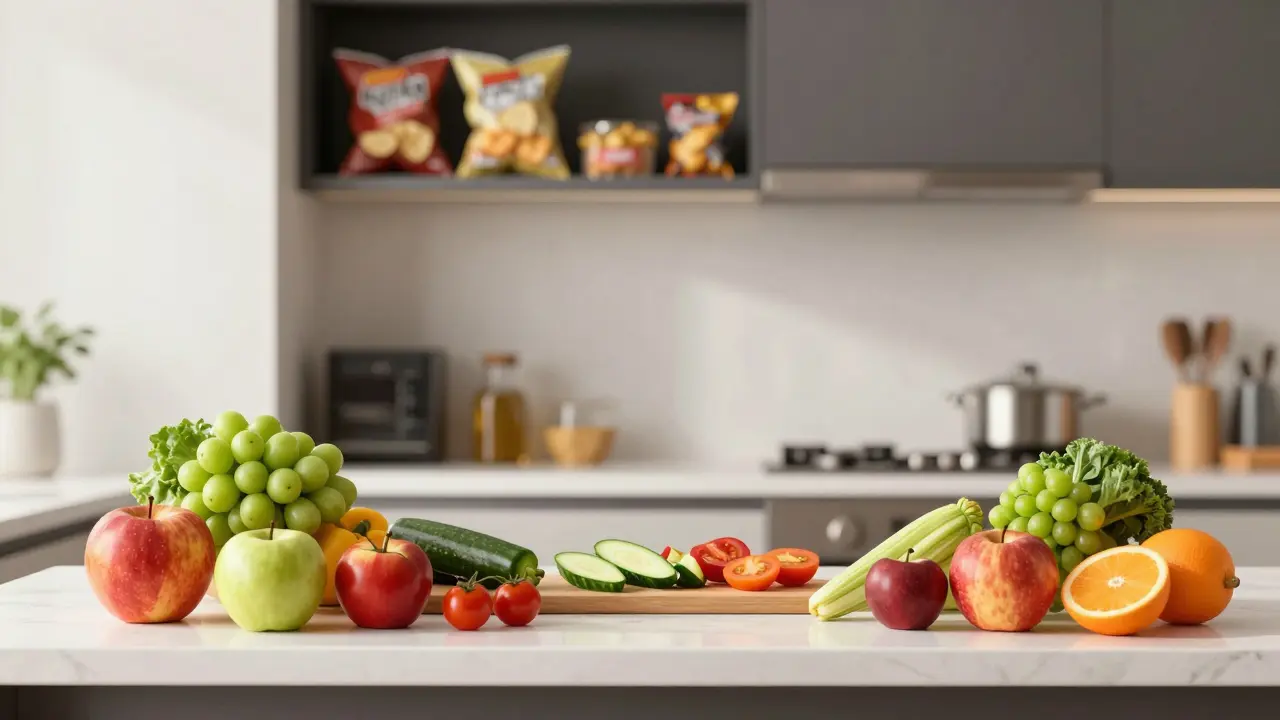
Instead, design your environment for success. If you don’t buy junk food, you can’t eat it. Keep fruit visible on the counter. Pre-cut vegetables in the fridge so they’re ready to grab. Remove friction from healthy choices and add friction to unhealthy ones. Hide the chips in a high cupboard. Make the good stuff easy.
This concept is called "choice architecture." You’re not fighting temptation; you’re removing it from the equation. When healthy options are the default, you stop wasting mental energy on decisions. This is how you make a life-changing decision stick.
The Gut-Brain Connection: More Than Just Digestion
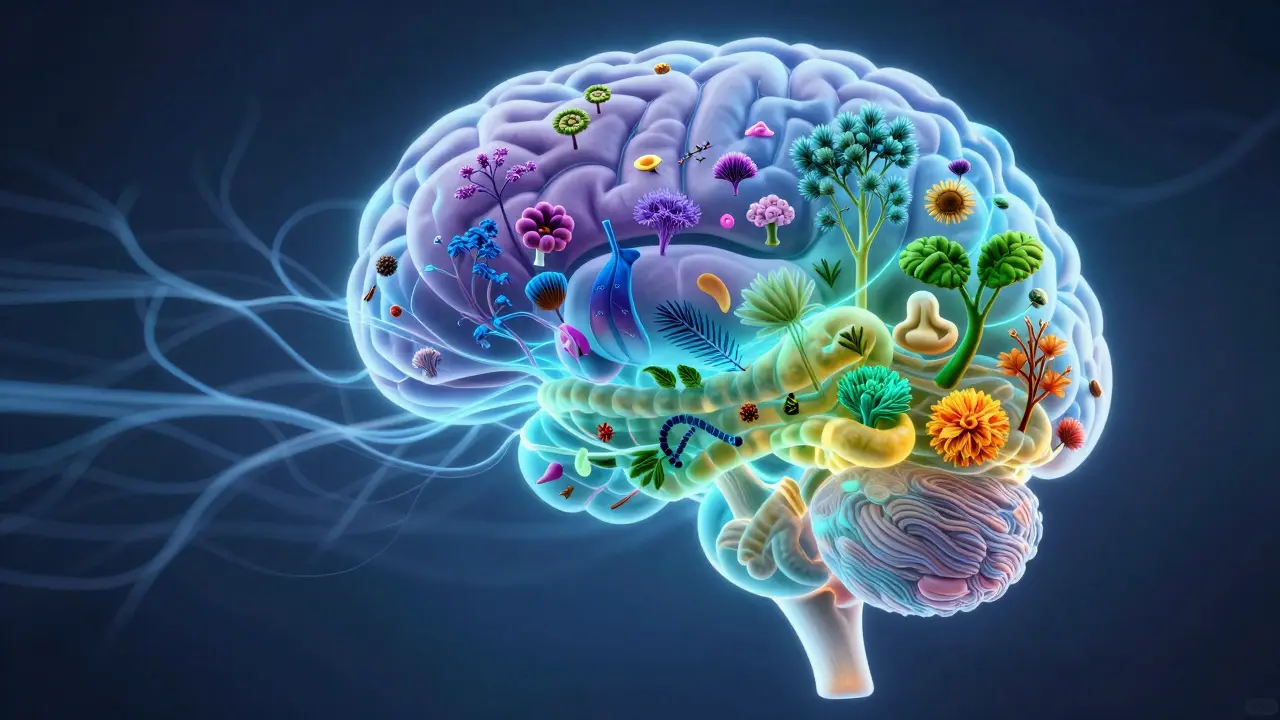
You’ve probably heard that your gut is your "second brain." It’s not just a catchy phrase. The vagus nerve connects your gut directly to your brain. The state of your gut microbiome influences your mood, anxiety levels, and even cognitive clarity.
Eating fermented foods like yogurt, kefir, sauerkraut, and kimchi introduces beneficial bacteria. These microbes produce neurotransmitters like serotonin. In fact, about 90% of your body’s serotonin is made in the gut. So, when you feel sluggish or irritable, it might not be lack of sleep-it could be what you ate for lunch.
Ignoring gut health is ignoring half the battle. A diverse diet rich in plants ensures a diverse microbiome. Boredom in your diet leads to boredom in your gut bacteria, which can lead to inflammation and poor health outcomes. Mix up your veggies. Try new herbs. Keep your gut ecosystem interesting.
Practical Steps to Start Today
You don’t need to overhaul your entire life overnight. That’s a recipe for burnout. Start small. Pick one thing to change this week. Maybe it’s drinking more water. Maybe it’s adding a serving of vegetables to dinner. Once that feels normal, add another habit.
- Plan your meals: Spend 30 minutes on Sunday planning what you’ll eat. It reduces impulse buying and stress during the week.
- Cook at home: Restaurant meals are often loaded with hidden sugars and unhealthy fats. Cooking gives you control over ingredients.
- Listen to your body: Eat when you’re hungry, stop when you’re full. Mindful eating helps you recognize true hunger versus emotional eating.
- Forgive yourself: Slip-ups happen. One bad meal doesn’t ruin your progress. Get back on track with the next meal.
These steps seem simple, but they compound over time. In six months, these small changes create a significant difference in how you look, feel, and perform.
Mental Health and Emotional Eating
We can’t talk about a healthy diet without addressing emotions. Food is comfort. It’s celebration. It’s memory. Restricting food entirely often leads to bingeing. Instead, practice intuitive eating. Allow yourself treats in moderation. Denying yourself completely creates a scarcity mindset, which makes those foods more appealing.
If you find yourself turning to food when stressed, try identifying the trigger first. Are you bored? Tired? Lonely? Sometimes, a walk, a phone call, or a nap is what you really need. Addressing the root cause prevents emotional eating spirals.
Wellness includes mental health. A rigid, punitive relationship with food damages both your body and your mind. A flexible, compassionate approach builds resilience. You deserve to enjoy food while also respecting your body.
Reading Labels Like a Pro
Packaged foods can be tricky. Marketing claims like "natural," "low-fat," or "all-natural" don’t mean much legally. Look at the ingredient list. Shorter is usually better. If you can’t pronounce an ingredient, ask yourself if you really want it in your body.
Watch out for added sugars. They hide under many names: cane juice, dextrose, maltose, agave nectar. The WHO recommends less than 25g of added sugar per day. Most sodas exceed that in one can. Reading labels empowers you to make informed choices. It takes practice, but soon you’ll spot red flags instantly.
Is a healthy diet expensive?
Not necessarily. Fresh produce, beans, rice, and eggs are affordable staples. Processed foods and convenience items often cost more. Buying in bulk and cooking at home saves money in the long run.
How long does it take to see results from a healthy diet?
You may feel more energetic within days. Physical changes like weight loss or improved skin can take weeks to months. Consistency is key. Results vary based on individual metabolism and activity levels.
Can I still eat out while following a healthy diet?
Absolutely. Choose grilled over fried, ask for dressings on the side, and prioritize dishes with vegetables and lean proteins. Moderation allows for social dining without derailing your goals.
What if I have dietary restrictions?
A healthy diet can be adapted to any restriction. Vegans, vegetarians, gluten-free, or dairy-free diets can all be nutrient-dense. Focus on whole foods and consult a dietitian if needed to ensure balance.
Does exercise matter if I eat healthy?
Yes. Nutrition and movement work together. Exercise improves insulin sensitivity, bone density, and mental health. While diet controls weight largely, exercise maintains muscle and overall vitality.