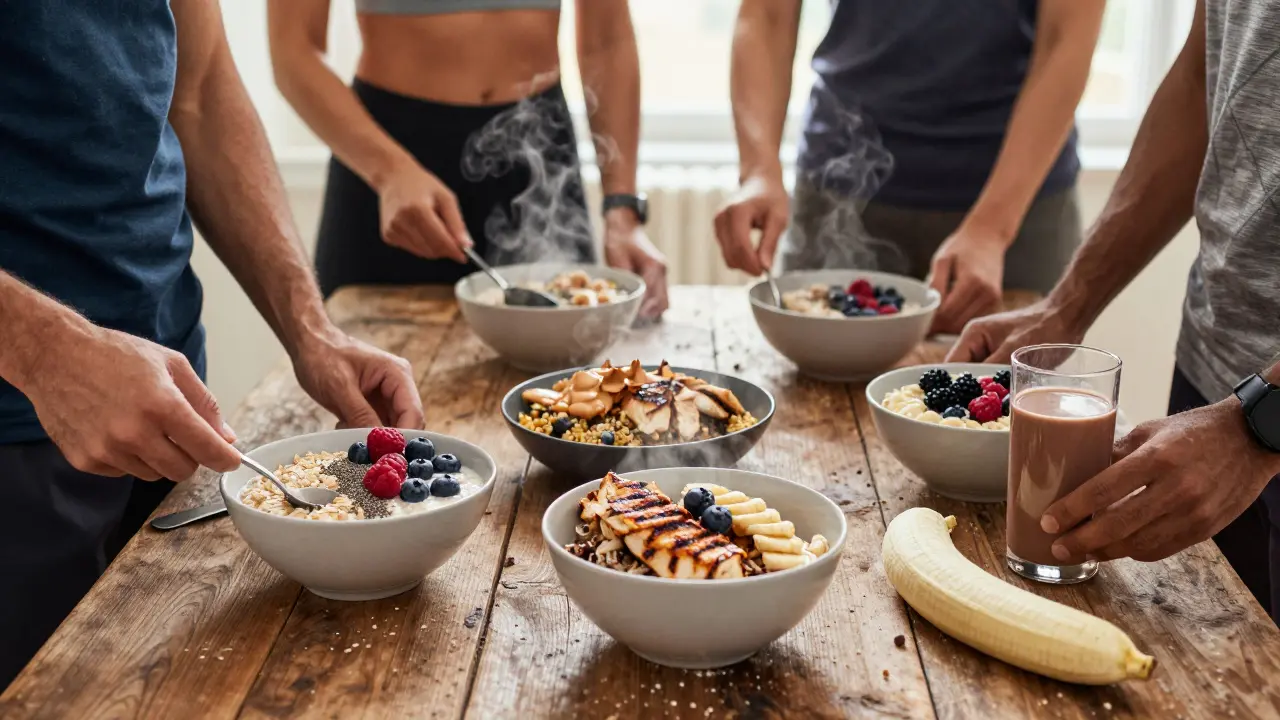
When you're training hard, your body doesn't just need food-it needs the right kind of fuel at the right time. A healthy diet for athletes isn't about cutting calories or chasing trends. It's about giving your muscles, brain, and energy systems what they actually need to perform, recover, and stay strong. If you're dropping energy mid-workout, feeling sluggish after training, or taking forever to bounce back, your diet might be the missing piece.
Energy Needs Aren't One-Size-Fits-All
Not all athletes have the same needs. A marathon runner burns around 2,500-3,500 calories a day during peak training. A weightlifter might need 3,000-4,500 calories to support muscle growth. A soccer player in season could burn 4,000+ calories across practice, games, and recovery. The key isn't just eating more-it's eating the right mix of carbs, protein, and fats in the right amounts.
Carbohydrates are your main fuel source during high-intensity efforts. Studies show that athletes who consume 6-10 grams of carbs per kilogram of body weight daily perform better in endurance and team sports. That’s about 420-700 grams for a 70kg (154lb) athlete. If you’re skipping rice, potatoes, oats, or fruit because you think carbs make you fat, you’re robbing your muscles of their preferred energy source.
Protein isn’t just for building muscle-it’s for repairing it. Aim for 1.6-2.2 grams per kilogram of body weight. So if you weigh 70kg, that’s 112-154 grams of protein a day. Spread it out: 20-30 grams every 3-4 hours. One chicken breast, a cup of Greek yogurt, or a scoop of whey protein gives you that amount. Eating it all in one meal won’t help your recovery as much as spreading it out.
Fats get a bad rap, but they’re essential for hormone production and long-duration energy. Healthy fats from avocado, nuts, olive oil, and fatty fish like salmon support recovery and reduce inflammation. Don’t fear them-just don’t let them crowd out carbs and protein.
Timing Matters More Than You Think
What you eat before, during, and after training has a bigger impact than what you eat at 8 p.m. after dinner.
Before training: Eat a meal 2-3 hours before with moderate carbs, low fat, and moderate protein. Think oatmeal with banana and peanut butter, or brown rice with grilled chicken. If you’re training early and don’t have time, a banana with a tablespoon of almond butter 30 minutes before works. Avoid high-fat or high-fiber foods right before-those can cause stomach upset.
During training: For sessions longer than 90 minutes, you need to keep fueling. Aim for 30-60 grams of carbs per hour. That’s one sports drink, a couple of dates, or a gel. If you’re out on a long bike ride or doing a 2-hour soccer practice, skipping this step means your energy crashes hard in the second half.
After training: The 30-60 minute window after exercise is when your muscles are most hungry for nutrients. Eat a 3:1 or 4:1 ratio of carbs to protein. A chocolate milk, a turkey sandwich on whole grain, or a smoothie with fruit, whey, and oats hits the mark. This combo replenishes glycogen and repairs muscle fibers faster. Waiting two hours? Recovery takes longer.
Hydration Isn’t Just About Water
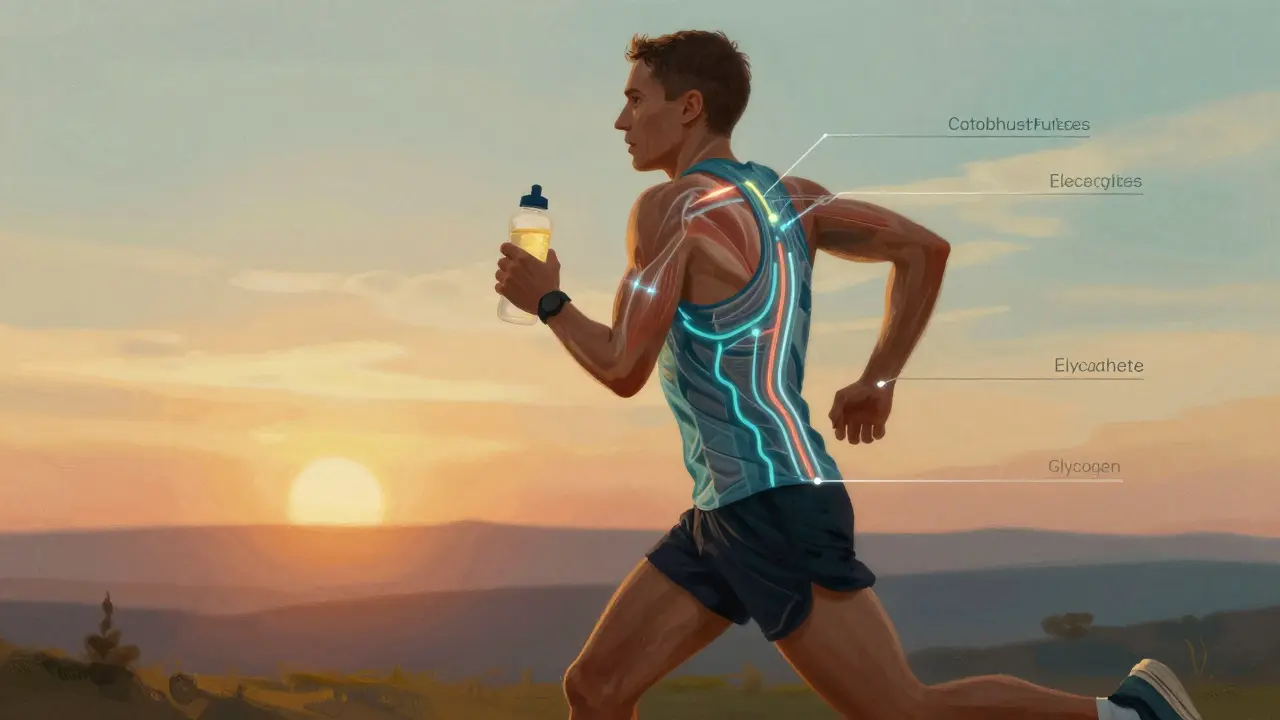
Dehydration doesn’t just make you thirsty-it drops your strength, slows your reaction time, and increases your risk of cramps and heat illness. Athletes lose 1-2 liters of sweat per hour during intense training. That’s more than most people realize.
Don’t wait until you’re thirsty to drink. Check your urine color: pale yellow means you’re hydrated. Dark yellow? You’re behind. Weigh yourself before and after training. For every pound lost, drink 16-24 ounces of fluid. Add electrolytes if you’re sweating heavily-especially sodium. A pinch of salt in your water or a sports drink with sodium and potassium helps your body hold onto fluids better than plain water alone.
For endurance athletes, sodium loss can be massive. Some runners lose over 1,500 mg of sodium per hour. If you’re cramping often or getting dizzy after long sessions, you’re likely low on electrolytes, not just water.
Recovery Foods That Actually Work
Not every “recovery” product on the shelf is worth your money. Here’s what science says works:
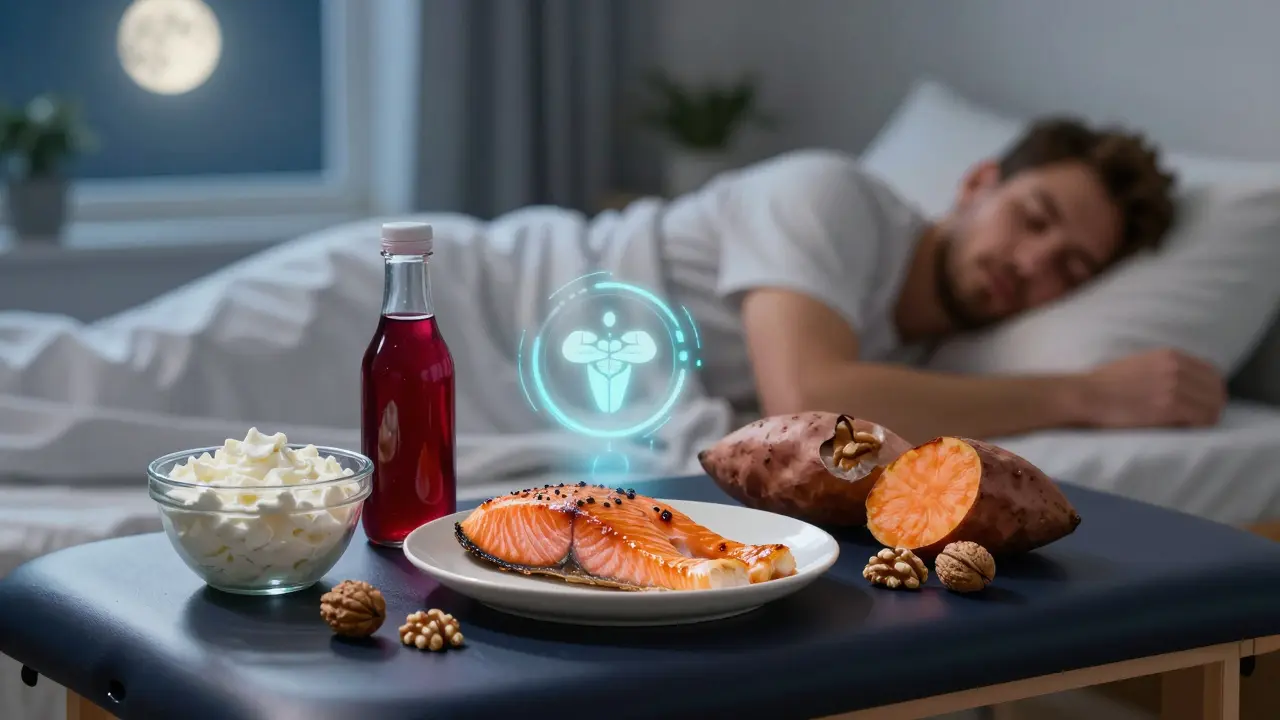
- Tart cherry juice: Reduces muscle soreness and inflammation after intense workouts. Drink 8-12 oz within an hour post-training.
- Cottage cheese: Slow-digesting casein protein keeps your muscles fueled overnight. Eat a cup before bed if you train late.
- Brown rice and sweet potato: High-glycogen-replenishing carbs with fiber and minerals. Better than white bread or sugary snacks.
- Beetroot juice: Boosts nitric oxide, improving blood flow and oxygen delivery. Drink 250ml 2-3 hours before training.
- Eggs: Complete protein with choline and omega-3s. Four eggs a week supports muscle repair and brain function.
Skip the sugary protein bars with 20 grams of added sugar. They spike insulin, then crash you. Real food is cheaper, more effective, and tastes better.
What to Avoid
Even healthy eaters make mistakes. Here’s what to cut back on:
- Excess processed sugar: Soda, candy, and sweetened cereals cause inflammation and insulin spikes that interfere with recovery.
- Low-carb diets: Unless you’re doing ultra-endurance keto adaptation (which most athletes shouldn’t), cutting carbs hurts performance.
- Over-reliance on supplements: Protein powders are fine, but they’re not magic. You can get all the nutrients you need from whole foods.
- Skipping meals to lose weight: Under-fueling leads to injury, burnout, and lost muscle. Performance suffers before the scale does.
Some athletes think they need to eat “clean” all the time. That mindset leads to stress, obsession, and disordered eating patterns. One slice of pizza after a tough game? Fine. A donut on the way home? Also fine. Balance matters more than perfection.
Real-Life Meal Ideas
Here’s what a day of eating looks like for someone training 1.5-2 hours daily:
- Breakfast: Oatmeal with berries, chia seeds, and a boiled egg + black coffee
- Snack: Apple with almond butter
- Lunch: Quinoa bowl with grilled chicken, spinach, roasted sweet potato, avocado, and olive oil dressing
- Pre-workout (1 hour before): Banana with a tablespoon of peanut butter
- Post-workout (within 30 min): Chocolate milk or smoothie with banana, whey protein, spinach, and oats
- Dinner: Baked salmon, brown rice, steamed broccoli, and a side of cottage cheese
- Before bed (optional): Cup of cottage cheese or a small handful of walnuts
This isn’t a rigid plan-it’s a template. Adjust portions based on your weight, sport, and training load. If you’re lifting heavy three times a week, add more protein. If you’re running 50 miles a week, add more carbs.
When to See a Professional
If you’re consistently fatigued, losing weight unintentionally, or having trouble recovering-even with good food habits-it’s time to talk to a registered dietitian who specializes in sports nutrition. They can run blood tests to check for iron, vitamin D, or electrolyte imbalances that are silently dragging your performance down.
Many college athletes and pros have their meals planned by dietitians. You don’t need to be a pro to benefit from expert guidance. A single session can fix years of guesswork.
Food isn’t just fuel. It’s your secret weapon. When you eat with purpose, you train harder, recover faster, and stay injury-free longer. Your body knows what it needs. You just have to give it the right tools.
How many carbs should an athlete eat daily?
Most athletes need 6-10 grams of carbohydrates per kilogram of body weight each day. For someone weighing 70kg (154lb), that’s 420-700 grams of carbs. Endurance athletes lean toward the higher end; strength athletes may need less, around 5-7g/kg. Carbs are your primary energy source during intense training, so don’t cut them.
Is protein powder necessary for athletes?
No, protein powder isn’t necessary-but it’s convenient. You can get all the protein you need from whole foods like chicken, eggs, fish, Greek yogurt, tofu, and legumes. Powder is useful if you struggle to hit your protein target, especially after workouts or when traveling. Choose a brand with minimal added sugar and no artificial fillers.
Should athletes drink sports drinks?
Only if you’re training for more than 60-90 minutes at a high intensity. For shorter workouts, water is enough. Sports drinks help replace lost electrolytes and provide quick carbs during long sessions. Look for ones with 14-19 grams of carbs and 110-170mg of sodium per 8oz serving. Avoid energy drinks-they have too much caffeine and sugar.
Can you eat junk food and still be a healthy athlete?
Yes, occasionally. A balanced diet includes mostly whole, nutrient-dense foods-but rigid rules lead to burnout. One burger, a slice of pizza, or a cookie after a hard workout won’t ruin your progress. What matters most is consistency over weeks and months, not perfection in every meal. Food should fuel you, not stress you.
How do I know if I’m under-fueling?
Signs include constant fatigue, frequent injuries, irregular periods (in women), trouble sleeping, mood swings, and poor recovery. If your weight drops without trying or you feel weak during workouts even with enough sleep, you’re likely not eating enough. Track your food for a week with an app like MyFitnessPal to see if your calories and macros match your activity level.
Do athletes need supplements?
Most don’t. A well-balanced diet covers nearly all nutrient needs. Vitamin D and iron are common deficiencies in athletes, especially women and those training indoors. Get tested before supplementing. Omega-3s, creatine, and caffeine have solid research backing for performance-but only use them if you’re already eating well and need an extra edge.
Next Steps
Start by tracking your meals for three days. Use a free app to log what you eat and when. Then compare it to your training schedule. Are you eating carbs before your runs? Protein after lifting? Hydrating during practice? Small tweaks make big differences.
Try one change this week: drink 16 ounces of water before every workout. Or add a banana to your post-training snack. Small wins build lasting habits. You don’t need to overhaul your diet overnight-just make it smarter, one meal at a time.