
You’ve probably heard it a thousand times: "Eat better." It’s the advice you get when you’re tired, when you’re stressed, or when you just feel like your life is stuck in neutral. But here’s the thing-most people think a healthy diet is just about shedding pounds or fitting into an old pair of jeans. That’s a narrow view. When you actually change what fuels your body, the ripple effects go far beyond the scale. Your brain gets sharper, your sleep deepens, your skin clears up, and your emotional resilience builds up.
I’m not talking about a strict, joyless regimen that leaves you hungry and cranky. I’m talking about a sustainable shift toward whole, nutrient-dense foods that make you feel alive. If you’re ready to stop treating food as just fuel and start seeing it as medicine, this guide will show you exactly how those changes happen-and how to stick with them without burning out.
The Energy Crash: Why You Feel Tired Before Noon
Let’s start with the most immediate benefit: energy. Think about your typical morning. You grab a sugary coffee, maybe a pastry, and by 10:30 AM, you’re dragging. This isn’t just bad luck; it’s biology. When you eat refined carbohydrates and added sugars, your blood glucose spikes rapidly. Your pancreas releases insulin to manage that spike, which often leads to a sharp drop in blood sugar shortly after. That drop? That’s the crash. It makes you feel foggy, irritable, and desperate for another hit of sugar.
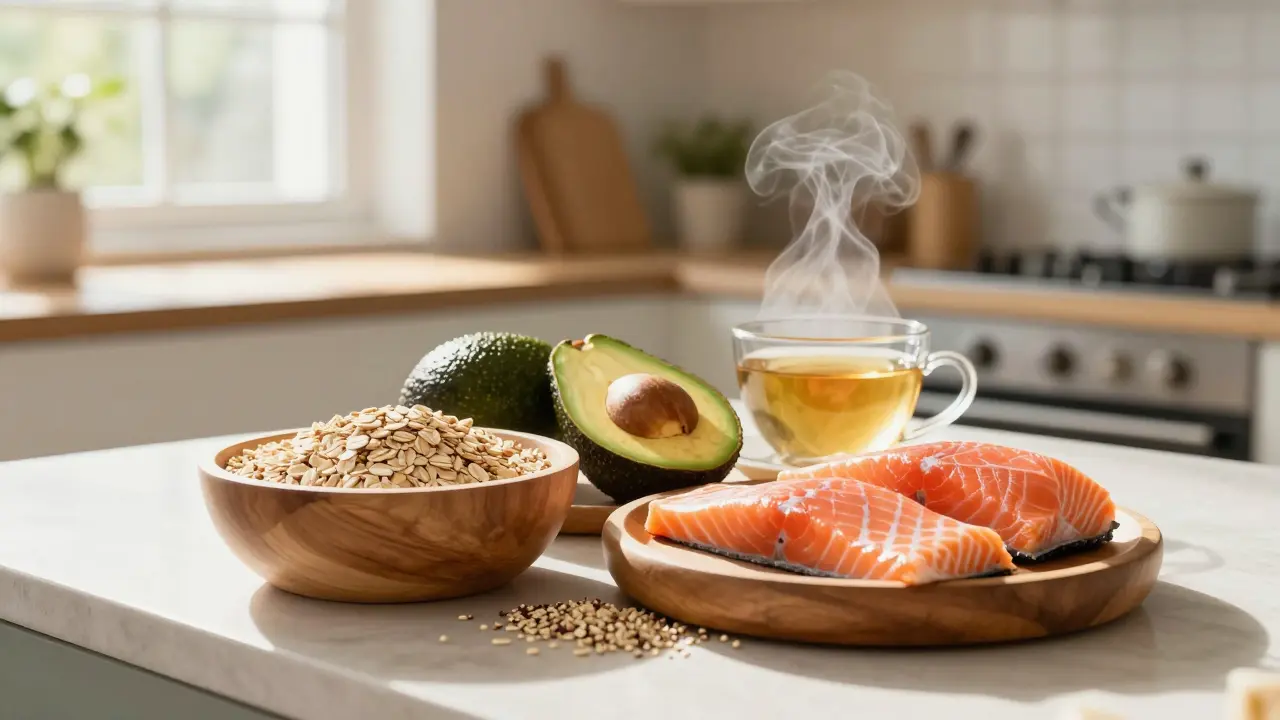
Switching to a diet rich in complex carbohydrates, healthy fats, and lean proteins changes this equation entirely. Foods like oats, quinoa, avocados, and salmon provide a slow, steady release of energy. You aren’t riding a rollercoaster; you’re cruising on a flat road. Many people report feeling more alert during afternoon meetings simply because they swapped their white-bread sandwich for a salad with grilled chicken and olive oil dressing. The difference isn’t magic; it’s stable blood sugar levels keeping your brain fed consistently throughout the day.
| Food Type | Blood Sugar Response | Energy Duration | Mental Clarity |
|---|---|---|---|
| Refined Carbs (White Bread, Pastries) | Rapid Spike then Sharp Drop | Short (1-2 hours) | Low (Brain Fog) |
| Complex Carbs + Protein (Oats, Eggs) | Steady Rise | Long (4-6 hours) | High (Focused) |
| Healthy Fats (Avocado, Nuts) | Minimal Impact | Sustained Release | Stable |
Gut Health: The Second Brain Connection
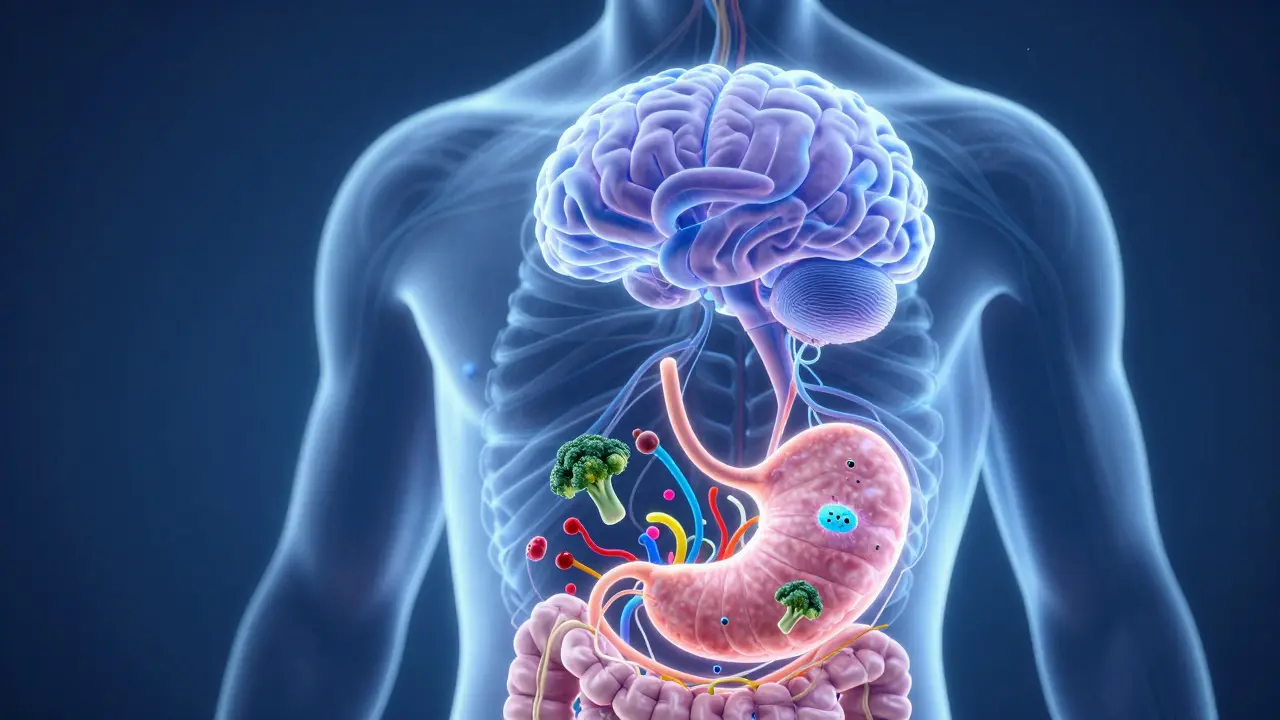
Your gut is often called your "second brain," and for good reason. The enteric nervous system lines your digestive tract and communicates directly with your central nervous system via the vagus nerve. More importantly, your gut houses trillions of bacteria-the microbiome-that produce neurotransmitters like serotonin and dopamine. About 95% of your body’s serotonin is made in the gut. If your gut is inflamed or starved of fiber, that production line slows down.
A healthy diet prioritizes fermented foods and high-fiber plants. Yogurt, kefir, sauerkraut, and kimchi introduce beneficial probiotics. Beans, lentils, broccoli, and berries feed those bacteria with prebiotic fibers. When these microbes thrive, they reduce systemic inflammation. This reduction doesn’t just help your digestion; it lowers the risk of chronic diseases like heart disease and type 2 diabetes. But on a daily basis, you’ll notice fewer bloating issues, regular bowel movements, and a stronger immune response. You catch fewer colds because your first line of defense is fortified from the inside out.
Mood Stability and Mental Clarity
We tend to separate mental health from physical health, but they are deeply intertwined. Have you ever noticed how much angrier or more anxious you feel when you’re hangry? That’s your body reacting to low glucose and hormonal stress responses. A diet high in processed foods has been linked to higher rates of depression and anxiety. Conversely, diets rich in omega-3 fatty acids, antioxidants, and vitamins B and D support cognitive function and emotional balance.
Omega-3s, found in fatty fish like salmon and mackerel, are essential building blocks for brain cells. They keep cell membranes fluid, allowing neurons to communicate efficiently. Antioxidants in colorful fruits and vegetables protect the brain from oxidative stress, which contributes to aging and neurodegenerative diseases. By eating a rainbow of produce, you’re not just looking good; you’re protecting your mind. People who switch to whole-food diets often report less brain fog, better focus at work, and a calmer baseline mood. It’s not a cure-all for clinical mental health conditions, but it creates a biological foundation that makes managing stress significantly easier.
Skin, Hair, and Physical Appearance
If you want clear skin, stop buying expensive creams and look at your plate. Your skin is an organ, and its health reflects your internal state. High-glycemic foods trigger insulin spikes, which increase sebum production and inflammation, leading to acne. Dairy can also be a culprit for some people due to hormones present in milk. On the flip side, hydration and nutrients like Vitamin C, E, and Zinc are crucial for collagen production and skin repair.
Incorporating foods like bell peppers (high in Vitamin C), almonds (Vitamin E), and pumpkin seeds (Zinc) supports skin elasticity and healing. Hydration plays a massive role too. Drinking enough water helps flush toxins and keeps skin plump. Within weeks of cutting back on sugar and increasing water intake, many people see a noticeable reduction in breakouts and a healthier glow. Your hair follows suit; protein deficiency leads to brittle hair, while biotin-rich foods like eggs and sweet potatoes promote strength and shine. Looking better boosts confidence, which positively impacts social interactions and professional opportunities.

Building Sustainable Habits Without Deprivation
The biggest mistake people make is trying to overhaul their entire life overnight. They quit sugar, carbs, and caffeine all at once, only to binge three days later. Sustainability is key. A healthy diet isn’t about perfection; it’s about consistency. Start small. Pick one change. Maybe it’s adding a vegetable to every dinner. Or swapping soda for sparkling water with lemon. These micro-habits compound over time.
Another critical strategy is meal planning. Decision fatigue is real. If you have to decide what to eat three times a day, plus snacks, you’ll likely default to convenience-which usually means processed junk. Spend an hour on Sunday prepping ingredients. Wash veggies, cook grains, portion out nuts. When hunger strikes, you reach for what’s available. If that’s a bowl of cut fruit and yogurt, you win. If it’s a bag of chips, you lose. Control your environment, and you control your choices.
- Read Labels: If you can’t pronounce an ingredient, be cautious. Aim for short ingredient lists.
- Cook at Home: Restaurant meals are often loaded with hidden sodium and unhealthy oils. Cooking gives you full control.
- Listen to Hunger Cues: Eat when you’re hungry, stop when you’re satisfied, not stuffed. Mindful eating prevents overconsumption.
- Allow Flexibility: One cookie won’t ruin your progress. Allowing occasional treats prevents the restrictive mindset that leads to binging.
Long-Term Disease Prevention
While the immediate benefits of energy and mood are compelling, the long-term payoff is profound. Chronic diseases like hypertension, type 2 diabetes, and cardiovascular issues are largely lifestyle-driven. A diet centered on whole foods reduces inflammation, improves cholesterol profiles, and regulates blood pressure. The Mediterranean diet, for example, is renowned for its heart-protective qualities due to its emphasis on olive oil, fish, and vegetables.
By adopting these habits now, you’re investing in your future self. You’re reducing the likelihood of needing medication later in life. You’re preserving mobility and independence. Healthspan-the number of years you live in good health-is becoming a more important metric than lifespan. Eating well ensures that your golden years are active and vibrant, not spent managing preventable conditions.
How long does it take to feel the effects of a healthy diet?
Most people notice improved energy levels and better digestion within the first week. Skin improvements and mood stability typically become evident after two to four weeks of consistent eating. Long-term benefits like disease prevention accumulate over months and years.
Do I need to count calories to transform my life with a healthy diet?
No. While calorie counting can be useful for weight management, focusing on nutrient density is more transformative. Whole foods are naturally satisfying and regulate appetite hormones better than processed foods, making calorie tracking unnecessary for most people seeking general health improvements.
Can a healthy diet replace medication for conditions like high blood pressure?
Diet can significantly lower blood pressure and may reduce the need for medication in some cases. However, never stop or adjust prescribed medication without consulting your doctor. Work with healthcare professionals to integrate dietary changes safely into your treatment plan.
What if I have food allergies or intolerances?
A healthy diet is adaptable. If you’re lactose intolerant, choose almond milk and nutritional yeast instead of cheese. If you’re gluten-sensitive, rely on rice, quinoa, and potatoes. The core principle is consuming whole, unprocessed foods that your specific body can tolerate and digest well.
Is it expensive to eat a healthy diet?
Not necessarily. Staples like beans, lentils, rice, frozen vegetables, and seasonal fruits are affordable. Processed foods and convenience items often cost more per nutrient unit. Buying in bulk and cooking at home saves money compared to frequent restaurant visits or packaged snacks.