Breathing Exercise Timer
Practice Calming Breathing Techniques
Try science-backed breathing exercises for instant stress relief. Select a technique and start your session.
How it helps: Regular practice reduces cortisol levels, improves focus, and activates your body's natural relaxation response.
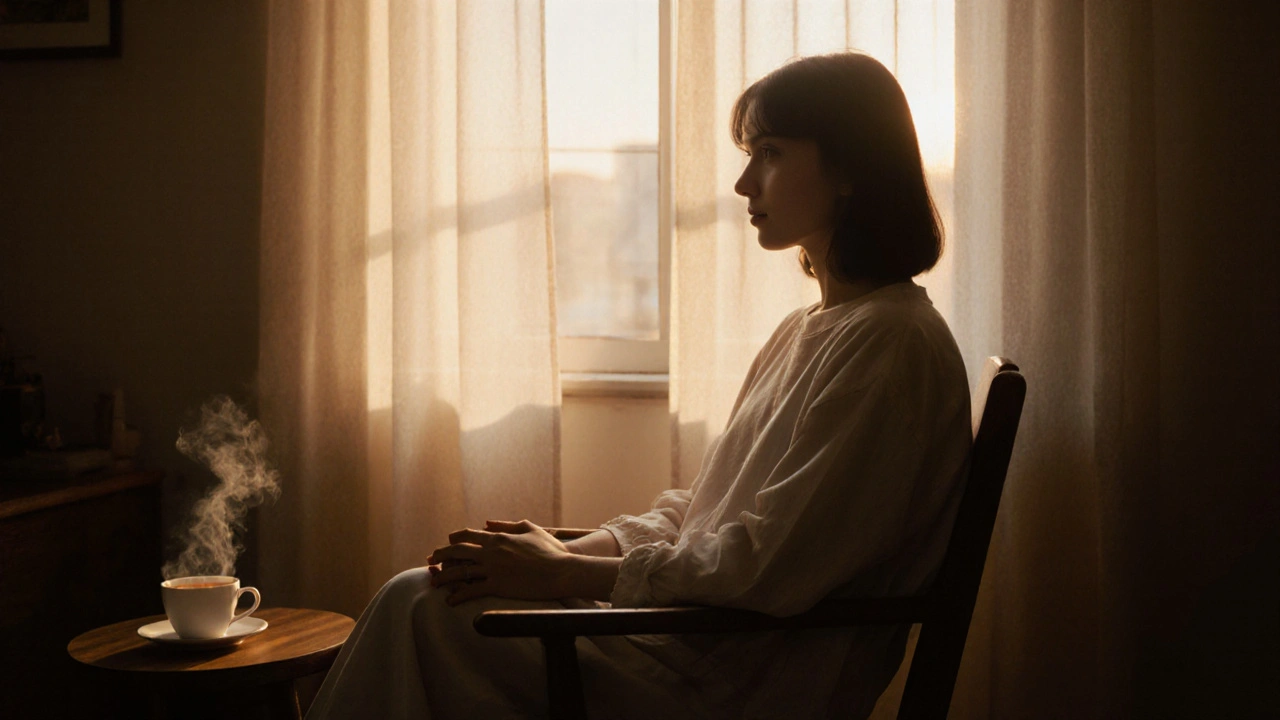
Feeling overwhelmed isn’t normal. It’s your body screaming for a break. If you’ve been juggling work, family, bills, and endless notifications, your nervous system is running on fumes. The good news? You don’t need a spa day or a week off to reset. Simple, science-backed relaxation techniques can bring your body back to calm - and they take less time than scrolling through social media.
Why Your Body Needs Relaxation
Your body was built to handle short bursts of stress - like running from a bear or meeting a deadline. But modern life keeps the stress switch flipped on. Constant emails, traffic, financial pressure, and social comparison keep your cortisol levels high. That leads to trouble: poor sleep, brain fog, irritability, muscle tension, and even digestive issues. Relaxation isn’t luxury. It’s maintenance. When you activate your parasympathetic nervous system - the part that says “you’re safe now” - your heart rate drops, blood pressure eases, and your body starts repairing itself.A 2023 study from the American Psychological Association found that people who practiced daily relaxation techniques reported 40% less perceived stress and better sleep quality within just four weeks. You don’t need to meditate for an hour. Five minutes of focused breathing can make a measurable difference.
Deep Breathing: The Fastest Reset Button
Deep breathing is the most underrated tool you already own. It’s free, always available, and works in under a minute. The trick isn’t just breathing deeper - it’s breathing slower and longer.Try the 4-7-8 method:
- Inhale quietly through your nose for 4 seconds.
- Hold your breath for 7 seconds.
- Exhale slowly through your mouth for 8 seconds.
Repeat this cycle three times. This pattern triggers your vagus nerve, which signals your brain to calm down. It’s why pilots and emergency responders use it. You can do this before a meeting, while stuck in traffic, or right before bed. No one will notice. But you’ll feel the shift.
Progressive Muscle Relaxation: Release Tension You Didn’t Know You Had
Most people carry stress in their shoulders, jaw, or forehead without realizing it. Progressive muscle relaxation (PMR) teaches you to notice and release that hidden tension.Here’s how to do it:
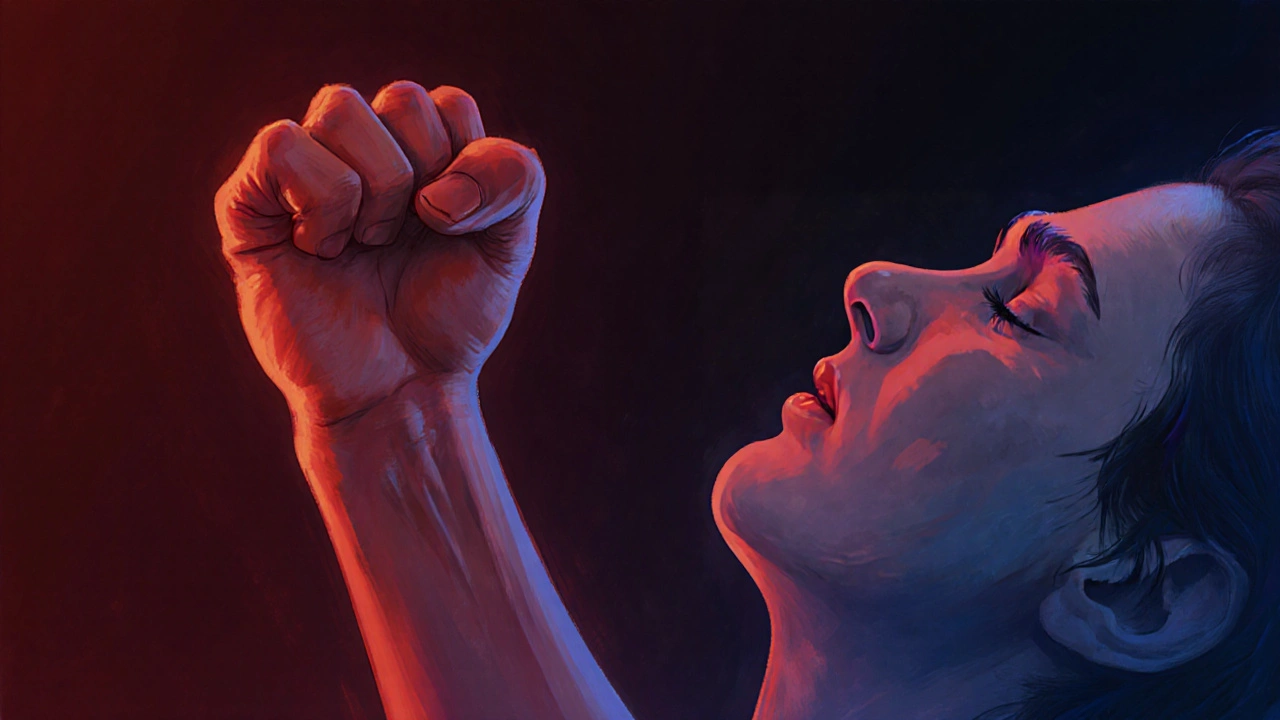
- Start with your feet. Tense the muscles as hard as you can for 5 seconds - curl your toes, press your heels down.
- Suddenly let go. Feel the warmth and heaviness as the tension melts away.
- Move up your body: calves, thighs, buttocks, abdomen, hands, arms, shoulders, neck, and finally your face. Squeeze your eyes shut, clench your jaw, scrunch your forehead - then release.
Do this lying down, preferably before bed. After a few sessions, you’ll start catching tension early - like when you’re gripping your steering wheel too tight or hunching over your keyboard. PMR isn’t just relaxing. It’s training your body to speak up when it’s stressed.
Mindfulness: Pay Attention on Purpose
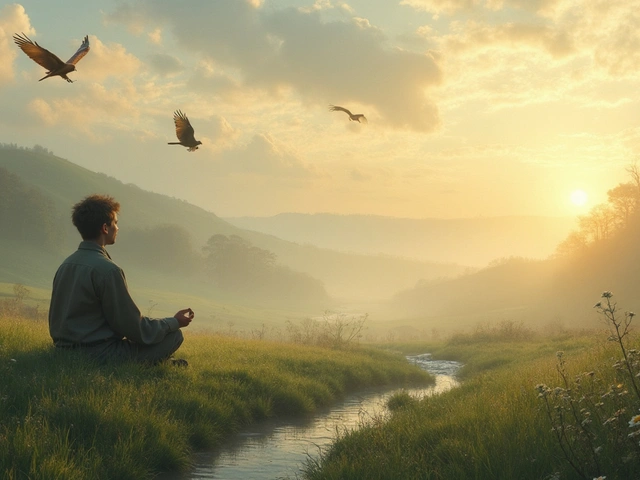
Mindfulness isn’t about emptying your mind. It’s about noticing what’s happening without judging it. You’re not trying to stop thoughts. You’re learning to watch them like clouds passing by.Try this 3-minute practice:
- Sit quietly. Feel your feet on the floor.
- Notice the sounds around you - the hum of the fridge, distant traffic, your own breath.
- When your mind wanders (it will), gently bring it back to your breath. No scolding. Just return.
That’s it. No apps needed. No special cushions. Just you and your attention. Research from Johns Hopkins shows mindfulness-based stress reduction works as well as antidepressants for mild to moderate anxiety. It doesn’t fix your problems - but it changes how you react to them.
Guided Imagery: Escape Without Leaving
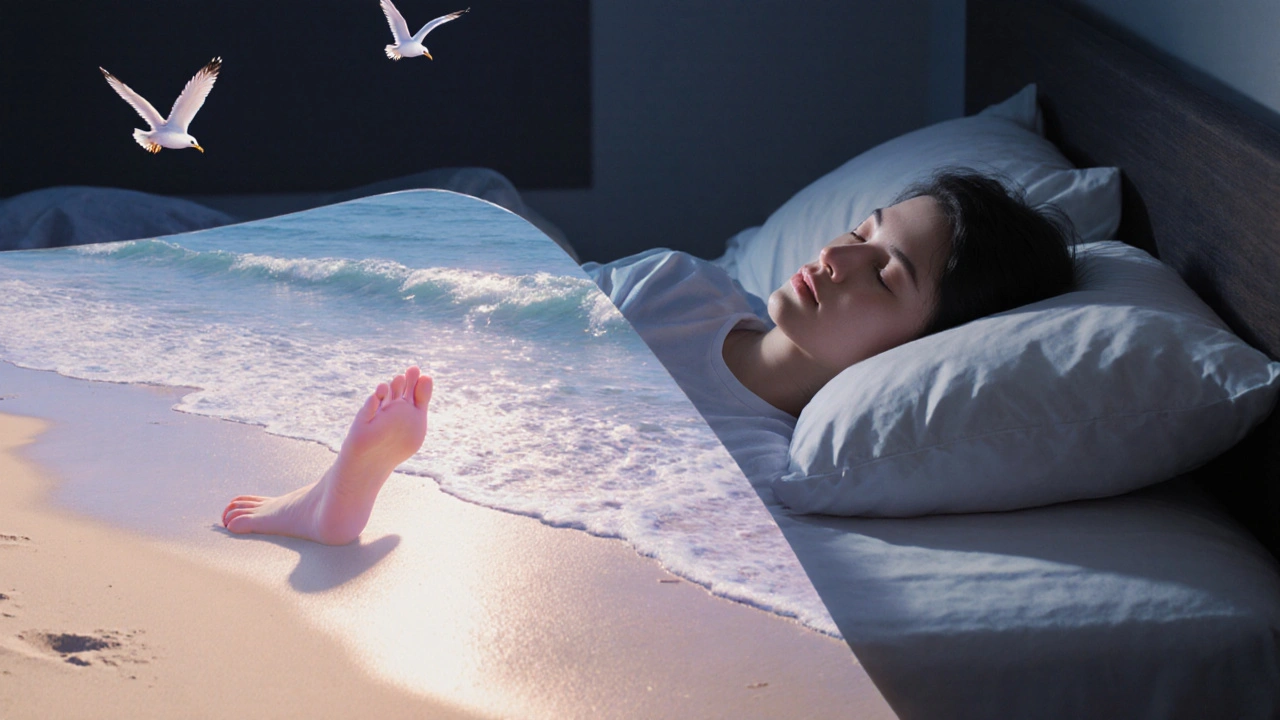
Your brain can’t tell the difference between a real experience and a vividly imagined one. That’s why guided imagery works. Picture yourself somewhere calm - a beach, a forest, a quiet mountain lake. Engage all your senses.Try this:
- Imagine the sound of waves rolling in and out.
- Feel the warmth of the sun on your skin.
- Smell the salt air or pine trees.
- Notice the texture of sand under your toes.
Do this for 5-10 minutes. You can find free guided imagery recordings on YouTube or apps like Insight Timer. Or make your own. Record yourself describing your peaceful place in a slow, soothing voice. Play it back when you need to reset.
Box Breathing: For When You Need to Stay Calm Under Pressure
Used by Navy SEALs, firefighters, and elite athletes, box breathing is perfect for high-stress moments. It’s simple, rhythmic, and instantly grounding.- Inhale for 4 seconds.
- Hold for 4 seconds.
- Exhale for 4 seconds.
- Hold for 4 seconds.
Repeat for 3-5 cycles. The equal timing creates a steady rhythm that slows your heart rate and quiets mental chatter. Use this before a tough conversation, during a panic moment, or when you’re feeling emotionally flooded. It’s not magic - it’s physics. Controlled breathing regulates your autonomic nervous system.
Why Most People Fail at Relaxation (And How to Avoid It)
People give up on relaxation techniques because they expect instant results. They try deep breathing once, feel nothing, and decide it’s not for them. That’s like skipping the gym after one workout and saying exercise doesn’t work.Relaxation is a skill. It gets better with practice. Start small. Pick one technique that feels easiest - maybe deep breathing or PMR - and do it for five minutes every day for two weeks. Set a phone reminder. Tie it to an existing habit: after brushing your teeth, before checking your phone in the morning, while waiting for your coffee to brew.
Track how you feel. Not “am I less stressed?” but “do I feel lighter? Do I sleep better? Do I snap less at my partner?” Small shifts add up.
What Doesn’t Work
Not all “relaxation” is actually relaxing. Scrolling through TikTok, binge-watching TV, or drinking alcohol might feel like escape - but they keep your brain in overdrive. Dopamine spikes from screens don’t lower cortisol. They delay the real reset.Same with overcomplicating things. You don’t need a $200 meditation app, incense, or a yoga mat. You need consistency. Five minutes of real breathing beats 30 minutes of distracted “mindfulness” with background music.
When to Seek Help
Relaxation techniques are powerful - but they’re not a cure-all. If you’re constantly anxious, having panic attacks, unable to sleep for weeks, or feeling hopeless, these tools help, but they’re not enough. Talk to a therapist. Therapy isn’t a last resort. It’s like going to the dentist before you get a cavity. Early support makes recovery faster.Also, if you’ve tried these techniques for a month and feel no change, something deeper might be going on. Depression, chronic stress, or trauma can block relaxation. That’s okay. It doesn’t mean you’re broken. It means you need a different kind of support.
How long until I feel the effects of relaxation techniques?
Many people notice a difference within a few days - especially with deep breathing or box breathing. For deeper changes like better sleep or reduced irritability, it usually takes 1-2 weeks of consistent practice. The key isn’t intensity - it’s frequency. Five minutes daily beats 30 minutes once a week.
Can relaxation techniques help with anxiety?
Yes. Studies show that techniques like deep breathing, progressive muscle relaxation, and mindfulness reduce symptoms of generalized anxiety disorder. They don’t eliminate triggers, but they lower your body’s reactivity to them. Over time, you’ll feel less wired and more in control.
Do I need to meditate to relax?
No. Meditation is one tool, but not the only one. Many people find deep breathing, guided imagery, or even just sitting quietly with their eyes closed more accessible. The goal isn’t to become a monk - it’s to give your nervous system a break.
What’s the best time of day to practice?
There’s no single best time. Morning helps set a calm tone for the day. Evening helps unwind and improve sleep. But the best time is the one you’ll actually do. Pick a moment that fits your routine - even if it’s just two minutes after you turn off the lights.
Can children or older adults use these techniques?
Absolutely. Deep breathing and guided imagery work for all ages. Kids respond well to imaginative exercises - like pretending to blow out birthday candles slowly. Older adults often find progressive muscle relaxation helpful for managing chronic pain or stiffness. Adapt the language and pace, but the principles stay the same.
Next Steps: Start Today
You don’t need to overhaul your life. Just pick one technique - deep breathing, PMR, or box breathing - and do it for five minutes tomorrow. Right after you wake up. Or right before you go to bed. No excuses. No perfection. Just show up.After a week, notice how you feel. Are you breathing deeper? Are you less reactive? Do you catch yourself tensing up and remember to let go? That’s progress. That’s your nervous system learning to trust safety again.
Relaxation isn’t about fixing yourself. It’s about remembering you’re human - and you deserve to feel calm, even in a noisy world.