

The Hidden Cost of Constant Alert
Think of your stress response like a fire alarm. It's great when there's an actual fire, but if that alarm goes off every time you get an email, you're going to burn out. This is where the Cortisol comes in. This steroid hormone is produced by the Adrenal Glands and is essential for short-term energy. However, when cortisol stays high, it starts eating away at your health. It suppresses your immune system, makes you crave sugar, and keeps you from getting deep, restorative sleep. If you've ever felt 'wired but tired,' that's your system malfunctioning. High cortisol levels over decades lead to systemic inflammation, which is the root of almost every age-related disease, from heart disease to type 2 diabetes. You can't wish this away; you have to physically signal to your brain that the danger has passed.Telomeres: The Biological Clock
If you want to talk about longevity, we have to talk about Telomeres. These are the protective caps at the ends of your chromosomes, much like the plastic tips on shoelaces. Every time a cell divides, the telomeres get a bit shorter. When they get too short, the cell can no longer divide and it dies or becomes dormant. Here is the scary part: chronic stress accelerates this shortening. A famous study on caregivers-people who spend years looking after sick loved ones-showed that their telomeres were significantly shorter than those in the general population. They essentially aged their cells faster because of the emotional burden. By focusing on stress reduction, you aren't just 'relaxing'; you are protecting the structural integrity of your DNA.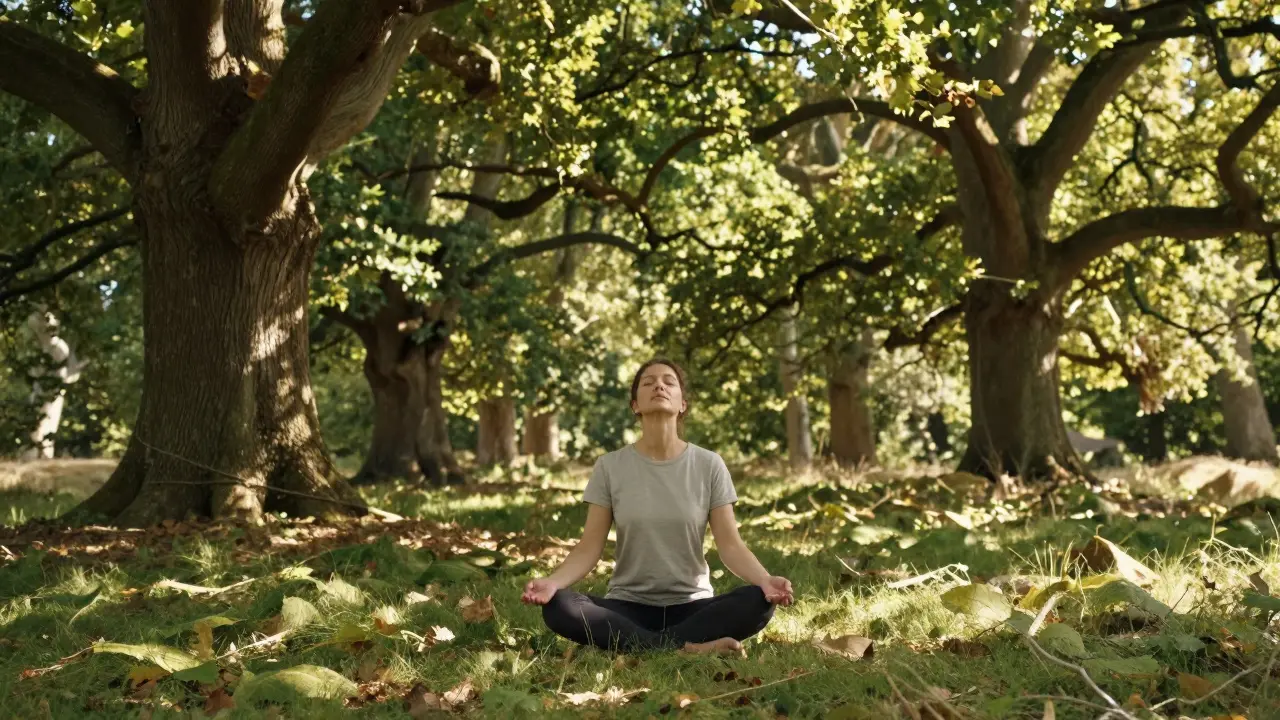
Switching Gears: The Parasympathetic Response
Your nervous system has two main modes: the 'fight or flight' (sympathetic) and the 'rest and digest' (Parasympathetic Nervous System). Most of us are stuck in the first one. To get into the second, you have to trick your brain. You can't tell your brain "be calm," but you can tell your body to act calm, and the brain will follow. One of the fastest ways to do this is through the Vagus Nerve. The Vagus Nerve is the longest nerve in your body, connecting your brain to your heart, lungs, and gut. When you stimulate it, you send an immediate signal to slow down your heart rate and lower your blood pressure.| Technique | Primary Target | Effect on Body |
|---|---|---|
| Box Breathing | Diaphragm / Vagus Nerve | Lowers heart rate instantly |
| Cold Exposure | Vagus Nerve / Thermoreceptors | Resets the nervous system |
| Mindfulness | Prefrontal Cortex | Reduces amygdala reactivity |
| Physical Exercise | Endorphins / Cortisol | Clears stress hormones from blood |
Practical Strategies for a Longer Life
If you're overwhelmed, don't try to overhaul your entire life today. Pick one thing that fits your current routine.- The 4-7-8 Technique: Inhale for 4 seconds, hold for 7, and exhale loudly for 8. This specific rhythm forces the lungs to expand and signals the brain to switch off the adrenaline dump. Do this three times before a stressful meeting, and you'll notice your hands stop shaking.
- Non-Sleep Deep Rest (NSDR): If you can't get 8 hours of sleep, try 20 minutes of NSDR or Yoga Nidra. This is a guided relaxation that brings your brain waves down to a theta state, which mimics the restorative properties of deep sleep without actually being asleep.
- Digital Sunsets: The blue light from your phone keeps your cortisol high and inhibits melatonin. Set a 'digital sunset' two hours before bed. Read a real book or talk to a human. Your brain needs to know the 'hunt' for information is over for the day.
- Movement as Medicine: You don't need to run a marathon. A 15-minute brisk walk in nature (forest bathing) has been shown to lower blood pressure and heart rate more effectively than walking in a city.
The Happiness Loop: Beyond the Absence of Stress
Reducing stress isn't just about avoiding pain; it's about creating space for happiness. When you are in a state of high stress, your Amygdala-the brain's fear center-takes over. This makes you reactive, irritable, and unable to feel joy. You can't be truly happy when your brain thinks a tiger is chasing you. When you lower your stress baseline, you activate the prefrontal cortex. This is the part of the brain responsible for complex decision-making and emotional regulation. This shift allows you to experience Oxytocin, the 'bonding hormone,' which is nearly impossible to feel when cortisol is peaking. Happiness is essentially the byproduct of a nervous system that feels safe.
Avoiding the 'Relaxation Trap'
Many people think stress reduction means watching Netflix for four hours or drinking wine on a Friday night. That isn't stress reduction; that's numbing. Numbing is a temporary mask that actually leaves you more exhausted because it doesn't address the physiological state of your body. Real stress reduction requires active participation. It means choosing the uncomfortable act of sitting in silence, taking a cold shower, or having a difficult conversation to clear the air. The goal is to build 'stress resilience'-the ability to handle a spike in stress and then return to a baseline of calm quickly, rather than staying stressed for hours after the event is over.Can I really reverse the damage caused by chronic stress?
While some damage can be permanent, the body is incredibly resilient. Research into epigenetics shows that by changing your environment and habits, you can influence how your genes are expressed. Practicing consistent stress reduction can slow the shortening of telomeres and reduce systemic inflammation, effectively 'slowing' your biological clock.
What is the difference between acute and chronic stress?
Acute stress is short-term and can actually be beneficial (eustress), such as the rush you get before a presentation that helps you focus. Chronic stress is a long-term state of tension where the 'off switch' for the stress response is broken. This is the version that causes health problems and shortened longevity.
How long does it take to see results from stress management?
Physiologically, techniques like box breathing work in seconds. However, shifting your baseline cortisol levels and improving your sleep quality usually takes 2 to 4 weeks of consistent practice. The biological changes in your cells take longer, but the mental clarity happens almost immediately.
Isn't some stress necessary for success?
Yes. The key is the 'recovery period.' High-performers don't avoid stress; they recover from it aggressively. The secret to longevity is the oscillation between high intensity and deep recovery. If you only have the 'high' without the 'low,' you break.
Do I need expensive supplements to lower my cortisol?
Generally, no. While some adaptogens can help, the most powerful cortisol regulators are free: deep sleep, sunlight in the morning, and controlled breathing. Supplements are a support tool, not a replacement for a nervous system reset.