Balanced Plate Checker
Check Your Meal Balance
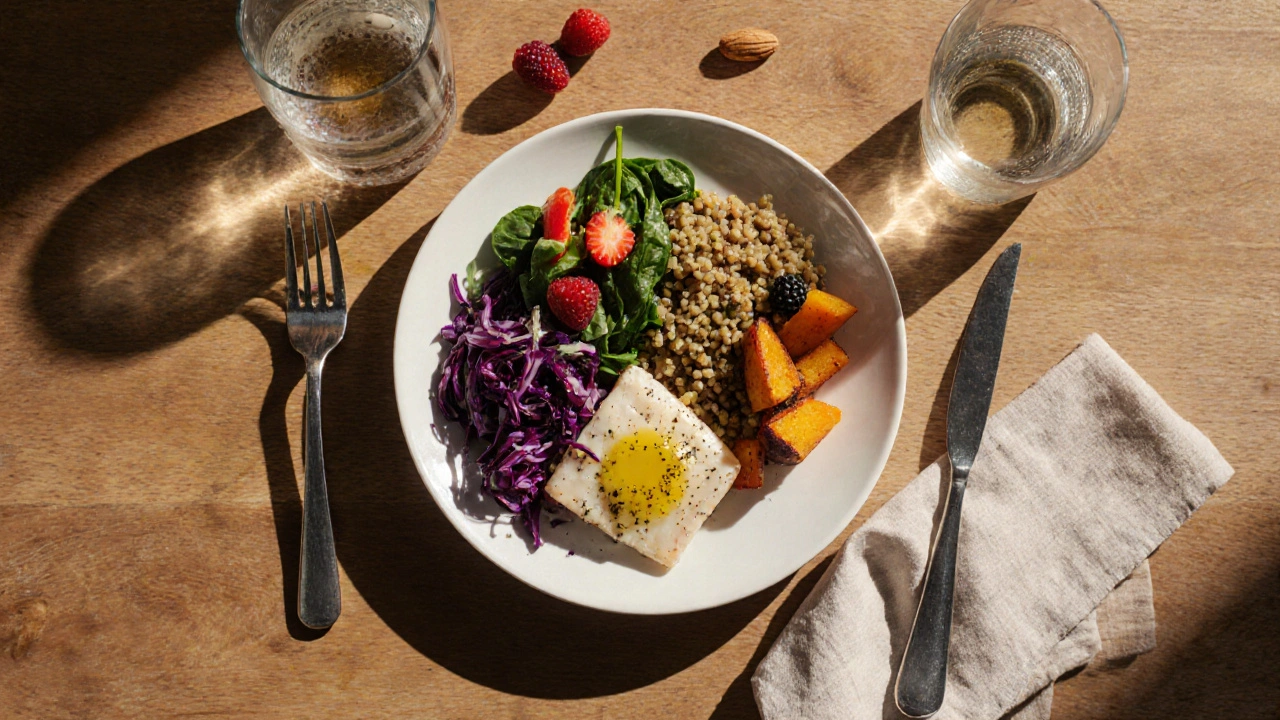
Use the 50/25/25 method: 50% vegetables & fruits, 25% protein, 25% whole grains
What if the secret to feeling better, sleeping deeper, and having more energy wasn’t some expensive supplement or intense workout-but just what’s on your plate? It sounds simple, maybe even boring. But the truth is, most people don’t eat a balanced diet-not because they don’t care, but because they’re overwhelmed by conflicting advice, confusing labels, and endless diet trends.
What Does a Balanced Diet Really Mean?
A balanced diet isn’t about cutting out carbs, going vegan overnight, or buying expensive superfoods. It’s about eating a variety of foods that give your body what it needs to work well. That means getting the right mix of proteins, healthy fats, complex carbs, vitamins, and minerals every day-not just once in a while.
The UK’s Eatwell Guide, updated in 2023 by Public Health England, shows exactly what this looks like: just over a third of your plate should be fruits and vegetables, another third should be starchy carbs like whole grains, and the rest split between protein sources and dairy or alternatives. A small amount of unsaturated fat is fine. Sugars and saturated fats? Keep them to a minimum.
Real talk: most people eat too much processed food and not enough whole foods. A 2024 NHS survey found that 65% of adults in England don’t eat the recommended five portions of fruit and vegetables daily. That’s not a diet-it’s a gap.
Why Balance Matters More Than Any Fad Diet
Diets that promise quick results usually fail because they’re not built to last. You can cut out sugar for a week, but if you’re not replacing it with something satisfying, you’ll crash. You can go keto for a month, but if your gut microbiome is starving for fiber, you’ll feel bloated and tired.
A balanced diet works because it supports your whole body:
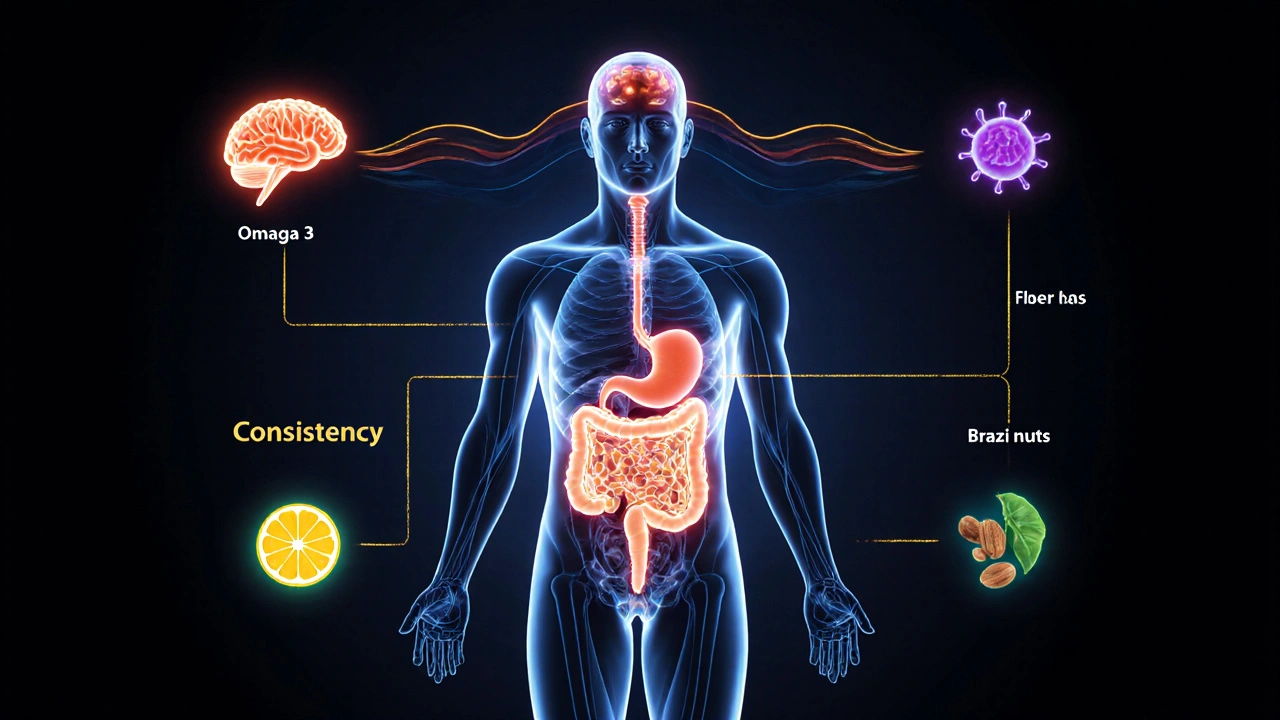
- Your brain needs omega-3s from fish, flaxseeds, and walnuts to stay sharp and calm.
- Your gut thrives on fiber from beans, oats, apples, and broccoli-foods that feed good bacteria and reduce inflammation.
- Your immune system relies on zinc from lean meats, selenium from Brazil nuts, and vitamin C from citrus and peppers.
- Your energy levels depend on slow-burning carbs like brown rice, sweet potatoes, and quinoa-not white bread and pastries.
There’s no magic food. It’s the pattern that counts. Eating a variety of whole foods over time gives your body the tools it needs to heal, repair, and perform.
How to Build a Balanced Plate (No Guesswork)
You don’t need to count calories or track macros. Just use this simple method for every main meal:
- Half your plate = vegetables and fruits. Go for color. Purple cabbage, red peppers, spinach, berries, oranges-each color gives you different antioxidants.
- One-quarter = protein. Choose lean options: chicken, turkey, tofu, lentils, eggs, or fish. Aim for oily fish like salmon or mackerel twice a week for omega-3s.
- One-quarter = whole grains or starchy carbs. Brown rice, whole wheat pasta, oats, barley, or sweet potato. Avoid white bread, white rice, and refined cereals.
- Add a small portion of healthy fat: olive oil, avocado, nuts, or seeds.
- Drink water with your meal. Skip sugary drinks and limit alcohol.
This isn’t a strict rule. Some days you’ll have more carbs, other days more protein. That’s fine. The goal is consistency, not perfection.
Real Food, Real Life: What to Eat Daily
Here’s what a balanced day actually looks like-not a meal plan from a magazine, but something real people in Birmingham, Manchester, or Glasgow eat:
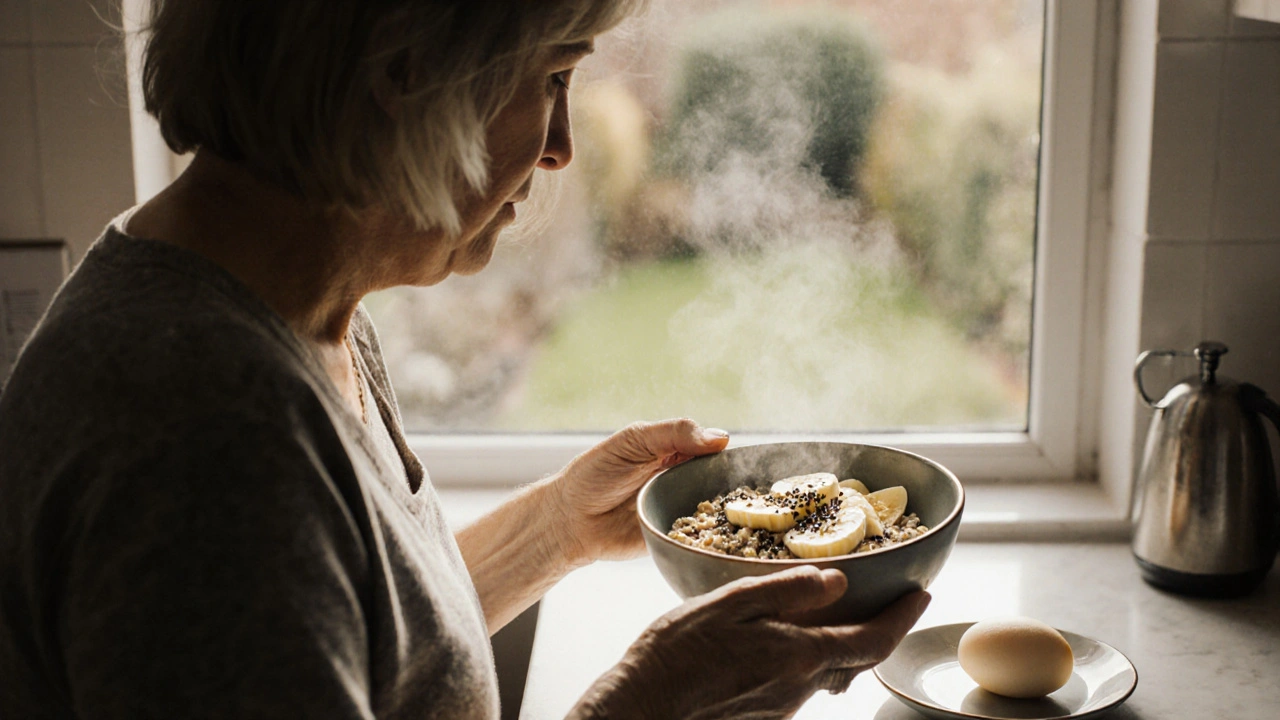
- Breakfast: Oatmeal made with water or unsweetened almond milk, topped with sliced banana, a tablespoon of chia seeds, and a sprinkle of cinnamon. A boiled egg on the side.
- Lunch: Large salad with mixed greens, chickpeas, roasted vegetables, and a drizzle of olive oil and lemon. A slice of whole grain rye bread.
- Snack: A small apple with a handful of almonds.
- Dinner: Baked cod with roasted broccoli and quinoa. A side of steamed carrots.
- Drink: Water, herbal tea, or black coffee-no sugar.
Notice anything missing? No kale smoothies, no protein powder, no detox teas. Just real food, prepared simply. That’s the point.
Common Mistakes That Break Balance
Even people who think they’re eating well often miss the mark. Here are the most common errors:
- Overdoing healthy fats: Avocado toast is great-but if you’re eating three slices a day with extra olive oil, you’re adding hundreds of extra calories.
- Assuming ‘low-fat’ means healthy: Many low-fat yogurts are loaded with sugar to make up for flavor. Always check the label.
- Skipping meals to ‘save calories’: This slows your metabolism and leads to overeating later. Eat regularly, even if it’s a small snack.
- Only eating ‘clean’ foods: If you’re so strict you avoid family dinners or social events, it’s not sustainable. Balance includes flexibility.
- Ignoring hydration: Thirst is often mistaken for hunger. Drink a glass of water before snacking.
One woman I know, a teacher in Solihull, started her day with a sugary cereal and coffee. By 11 a.m., she was crashing. She switched to oatmeal with fruit and a boiled egg. Within two weeks, her afternoon fatigue disappeared. No pills. No gym. Just better food choices.
How to Start Today-No Overhaul Needed
You don’t need to change everything at once. Pick one thing and stick with it for two weeks:
- Swap white bread for whole grain.
- Add one extra serving of vegetables to your lunch.
- Drink water instead of soda with dinner.
- Replace afternoon biscuits with a piece of fruit and a few nuts.
Small changes add up. A 2025 study from the University of Birmingham tracked 500 adults who made just one daily improvement to their diet. After six months, 78% reported better energy, improved digestion, and fewer cravings. The ones who tried to change everything? They gave up within a month.
What About Supplements?
Supplements can’t fix a bad diet. They’re meant to fill gaps-not replace food. Most people in the UK get enough vitamins from food, except for vitamin D. Public Health England recommends a daily 10mcg vitamin D supplement from October to March because sunlight is too weak in winter.
If you’re pregnant, vegan, or have a medical condition, talk to your doctor. But for most people, a balanced diet gives you everything you need. No pills required.
It’s Not About Perfection-It’s About Progress
There will be days you eat pizza. Or cake. Or skip veggies because you’re tired. That’s normal. A balanced diet isn’t about being perfect-it’s about being consistent over time.
Think of it like brushing your teeth. You don’t do it perfectly every time. But if you do it most days, your teeth stay healthy. Same with food. One unhealthy meal won’t ruin you. But if you eat mostly processed, sugary, or fried foods every day? Your body will show it.
Focus on progress, not perfection. Celebrate the days you ate well. Don’t beat yourself up over the ones you didn’t. Your health isn’t a test. It’s a habit.
Can I still eat carbs on a balanced diet?
Yes, absolutely. Carbs aren’t the enemy-refined carbs are. Whole grains like brown rice, oats, quinoa, and whole wheat bread provide energy, fiber, and important nutrients. They’re a key part of a balanced diet. Avoid white bread, sugary cereals, and pastries, which spike blood sugar and leave you hungry soon after.
Do I need to buy organic food to eat healthily?
No. Organic food can be better for the environment, but it’s not necessary for a balanced diet. Focus on eating plenty of fruits, vegetables, beans, and whole grains-whether they’re organic or not. The NHS says the health benefits of eating these foods far outweigh any risks from pesticide residues on non-organic produce.
How much protein do I really need?
Most adults need about 0.75 grams of protein per kilogram of body weight. That’s roughly 55g for a 70kg person. You can get this from eggs, beans, lentils, chicken, fish, tofu, or dairy. Most people in the UK already eat enough protein. You don’t need protein shakes or supplements unless you’re very active or have a medical need.
Is it okay to have treats on a balanced diet?
Yes. A balanced diet includes flexibility. Enjoying a slice of cake, a chocolate bar, or a pint of beer occasionally doesn’t ruin your health. The problem isn’t the treat-it’s making it your daily habit. Keep treats occasional, not regular, and you’ll stay on track without feeling deprived.
What if I don’t have time to cook?
You don’t need to cook from scratch every night. Frozen vegetables, canned beans, pre-washed salads, and boiled eggs are quick, healthy options. Look for ready meals with fewer than five ingredients and no added sugar. A microwaveable bowl of lentils and veggies with brown rice takes 5 minutes and is far healthier than takeout.
Next Steps: Start Small, Stay Consistent
Start by writing down what you eat for one day. Don’t judge it-just observe. Then pick one thing to improve tomorrow. Maybe it’s adding a vegetable to lunch. Or drinking water before coffee. Or swapping sugary yogurt for plain yogurt with fruit.
That’s it. No drastic changes. No expensive groceries. Just one better choice, repeated.
Your body doesn’t need miracles. It just needs consistency. And over time, that’s how real health is built.