
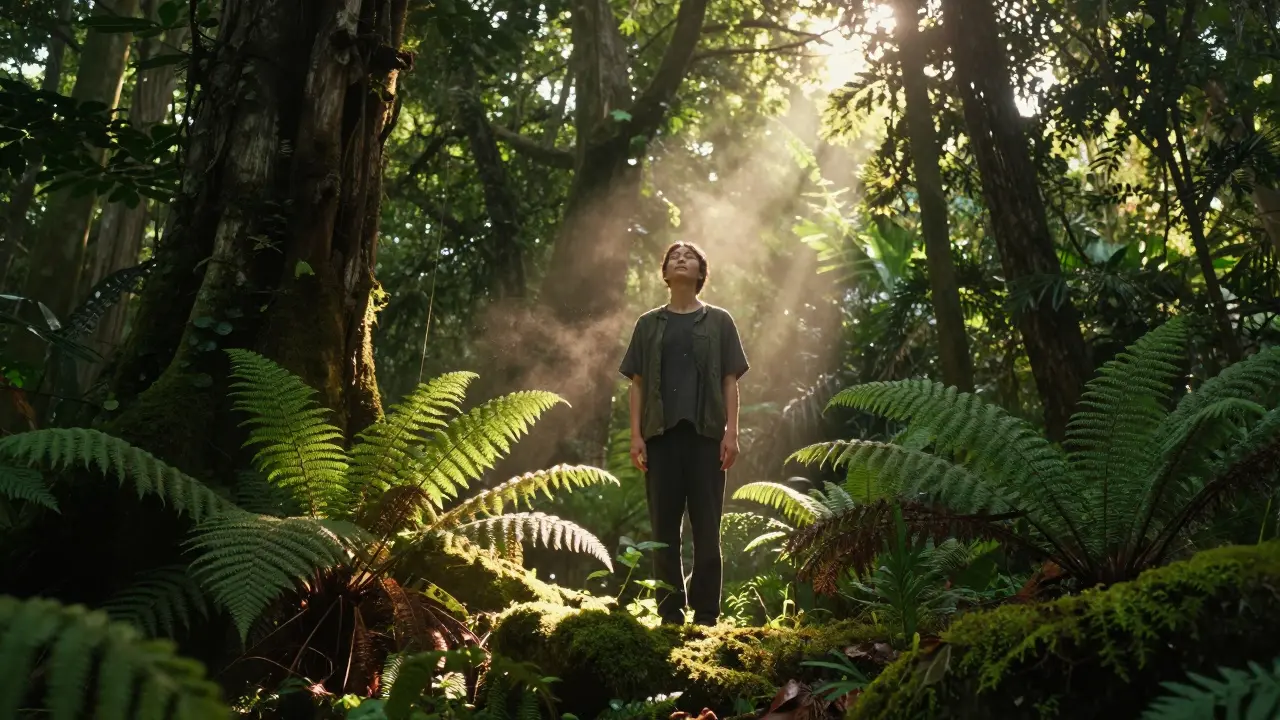
The core idea here is simple: nature provides a level of sensory stimulation that doesn't demand our focused attention. In a city, your brain is on high alert, dodging cars and ignoring sirens. In a forest or by a stream, the sounds are rhythmic and predictable. This shift allows your prefrontal cortex-the part of the brain responsible for decision-making and focus-to finally take a break.
Quick Wins for Nature Mindfulness
- The 5-4-3-2-1 Method: Acknowledge 5 things you see, 4 things you can touch, 3 things you hear, 2 things you can smell, and 1 thing you can taste.
- Soft Fascination: Instead of staring intensely at a goal, let your eyes drift across a canopy of leaves or the movement of clouds.
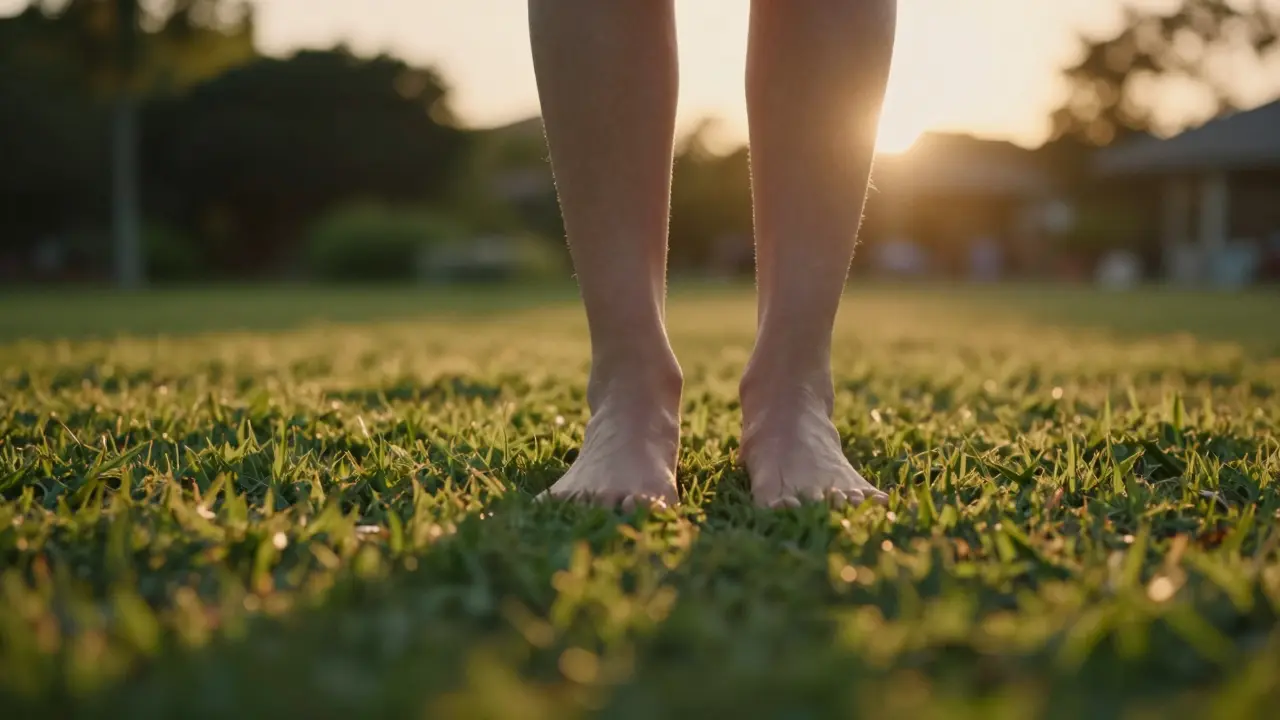
- Barefoot Grounding: Walk without shoes on grass or sand to create a physical connection with the earth.
The Science of Why Greenery Works
It isn't just in your head. There is a biological reason why you feel better after a walk in the park. Biophilia is the innate human tendency to seek connections with nature and other forms of life. This isn't just a feeling; it's an evolutionary trait. Our ancestors survived by reading nature, so our brains are hardwired to feel safe and alert in these environments.
Then there are the chemicals. Many trees release organic compounds called Phytoncides, which are airborne antimicrobial allelochemicals that plants emit to protect themselves from insects and decay. When we breathe these in, our bodies respond by increasing the activity of "natural killer" (NK) cells, which boost our immune system and lower blood pressure. This is the secret sauce behind the practice of Shinrin-yoku, also known as Forest Bathing, a Japanese practice that treats the forest as a medical resource for stress recovery.
| Approach | Primary Focus | Best For | Expected Outcome |
|---|---|---|---|
| Forest Bathing | Sensory immersion | Deep stress recovery | Lower Cortisol |
| Ecotherapy | Therapeutic relationship with earth | Anxiety and Depression | Emotional Resilience |
| Mindful Walking | Physical sensation & movement | Mental clarity | Present Moment Awareness |
| Grounding | Direct physical contact | Inflammation/Sleep | Physical Calm |
Practical Ways to Practice Mindful Observation
You don't need to move to a cabin in the woods to make this work. Even a small urban park can be a sanctuary if you know how to use it. The trick is to move from "scanning" to "observing." Most of us walk through nature while thinking about our to-do list. That's just walking; it's not mindfulness.
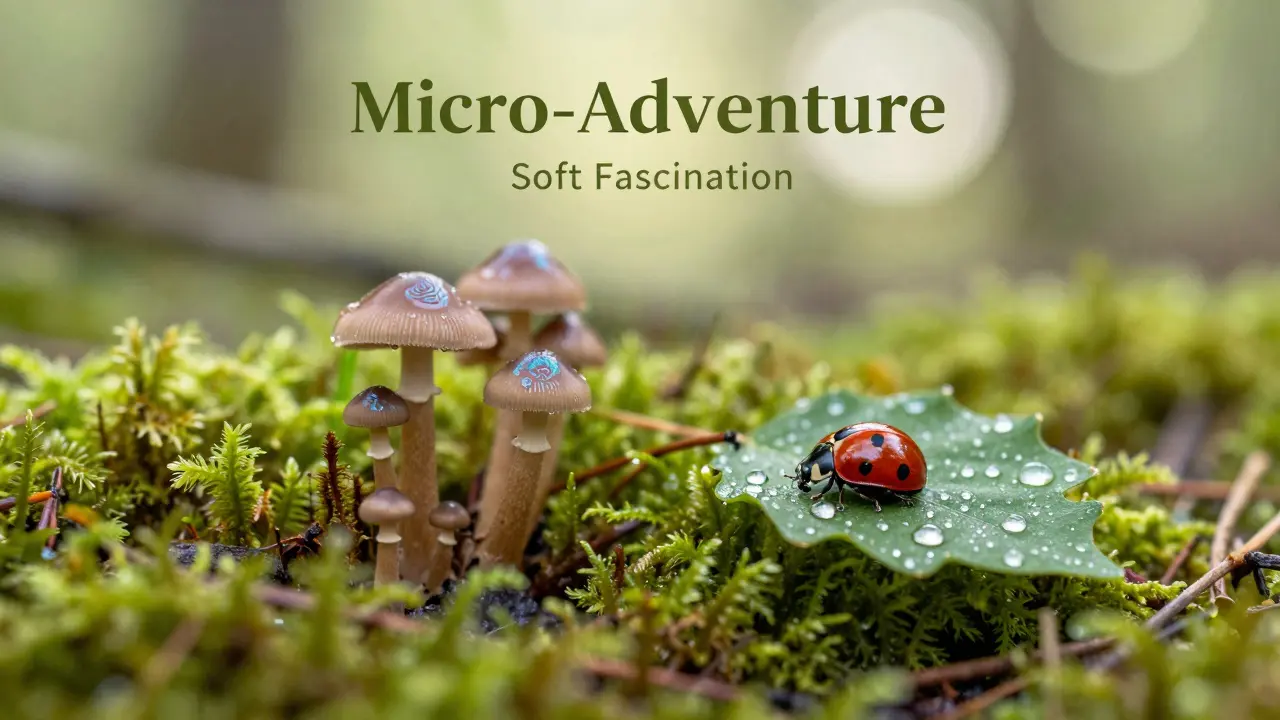
Try the "Micro-Adventure" approach. Find one square foot of ground-maybe a patch of moss or a cluster of wildflowers. Spend ten minutes looking at just that spot. Notice the different shades of green, the way a bug navigates a leaf, or the texture of the soil. This level of focus forces your brain to drop the background noise of your daily worries and enter a state of flow.
Another powerful tool is Ecotherapy, which is the practice of using the natural world as a vehicle for psychological healing and mental health support. This often involves guided activities, like planting a garden or tracking wildlife, which helps people move from a feeling of isolation to a feeling of belonging to a larger system.
Overcoming Common Barriers to Nature Connection
A lot of people say, "I don't have time to go to the mountains." Here's the thing: your brain doesn't actually know the difference between a national park and a well-kept backyard. The key is the quality of the attention, not the quantity of the wilderness.
If you live in a concrete jungle, start with "fractal watching." Fractals are those repeating patterns you see in ferns, snowflakes, or clouds. Research suggests that looking at these specific geometric patterns triggers a relaxation response in the human brain. Even looking at a houseplant or a photo of a forest can provide a micro-dose of this effect, though nothing beats the real thing.
Another hurdle is the "distraction itch." You'll feel the urge to take a photo of the sunset or check your notifications. To fight this, leave your phone in the car or put it on airplane mode. The goal is to move from being a digital observer to a physical participant. If you're constantly thinking about how the view looks through a camera lens, you're not actually in nature; you're in a photo shoot.
Creating a Sustainable Nature Routine
Mindfulness is like a muscle; if you only use it once a year on vacation, it won't do much for your daily stress levels. You need a consistent cadence. Instead of one long hike per month, try three fifteen-minute "nature breaks" per week.
- The Morning Anchor: Spend five minutes with your morning coffee looking at the sky. Notice the color shifts and the wind's direction.
- The Lunchtime Reset: Walk to a nearby tree. Touch the bark. Notice the difference in temperature between the shaded side and the sunny side.
- The Evening Wind-down: Walk barefoot on the grass for ten minutes before heading inside. This helps signal to your body that the "work" part of the day is over.
When you integrate these habits, you start to develop a relationship with your local environment. You'll notice when the first blossoms appear or how the light changes in autumn. This connection to the seasons helps ground you in a timeline that is much slower and more forgiving than the corporate 24-hour news cycle.
Do I need to be in a remote forest for this to work?
Not at all. While deep wilderness is great, the mental health benefits of nature mindfulness occur in any green space. A local park, a community garden, or even a street with plenty of trees can lower your stress levels as long as you are actively engaging your senses and stepping away from digital distractions.
How long do I need to spend outside to feel the benefits?
Even short bursts help. Studies on nature exposure suggest that just 20 minutes of interacting with nature can significantly drop your cortisol levels. For a deeper reset, like the Japanese Forest Bathing method, a few hours are recommended, but consistency (short daily walks) is usually more effective than one occasional long trip.
What if I don't like hiking or outdoor exercise?
Mindfulness in nature isn't about exercise; it's about observation. You don't have to hike a mountain or run a trail. Sitting on a bench and watching birds, gardening, or simply leaning against a tree are all valid forms of nature mindfulness. The goal is presence, not performance.
Can I practice this if I live in a city with no parks?
Yes. Look for "pocket parks," window boxes, or even indoor plants. Focus on the organic patterns (fractals) in leaves. If you can't get outside, spending time with house plants or using high-quality nature sounds can provide a partial benefit, though getting actual sunlight and fresh air is the priority.
Is there a difference between nature mindfulness and a regular walk?
Yes. A regular walk is often a means to an end (getting from point A to point B) and is frequently accompanied by thinking about work or listening to podcasts. Nature mindfulness is the intentional act of observing the environment. It involves using your senses to anchor yourself in the present moment, which is what triggers the neurological relaxation response.
Next Steps for Your Journey
If you're feeling overwhelmed, don't try to overhaul your life overnight. Start by picking one of the techniques mentioned above-like the 5-4-3-2-1 method-and try it tomorrow morning. Notice how your mood shifts before and after the experience.
For those who want to go deeper, consider exploring local conservation groups. Engaging in "active stewardship," like cleaning up a beach or planting native shrubs, combines mindfulness with a sense of purpose. This shift from "using" nature for relaxation to "caring" for nature often leads to an even deeper sense of psychological well-being and community connection.