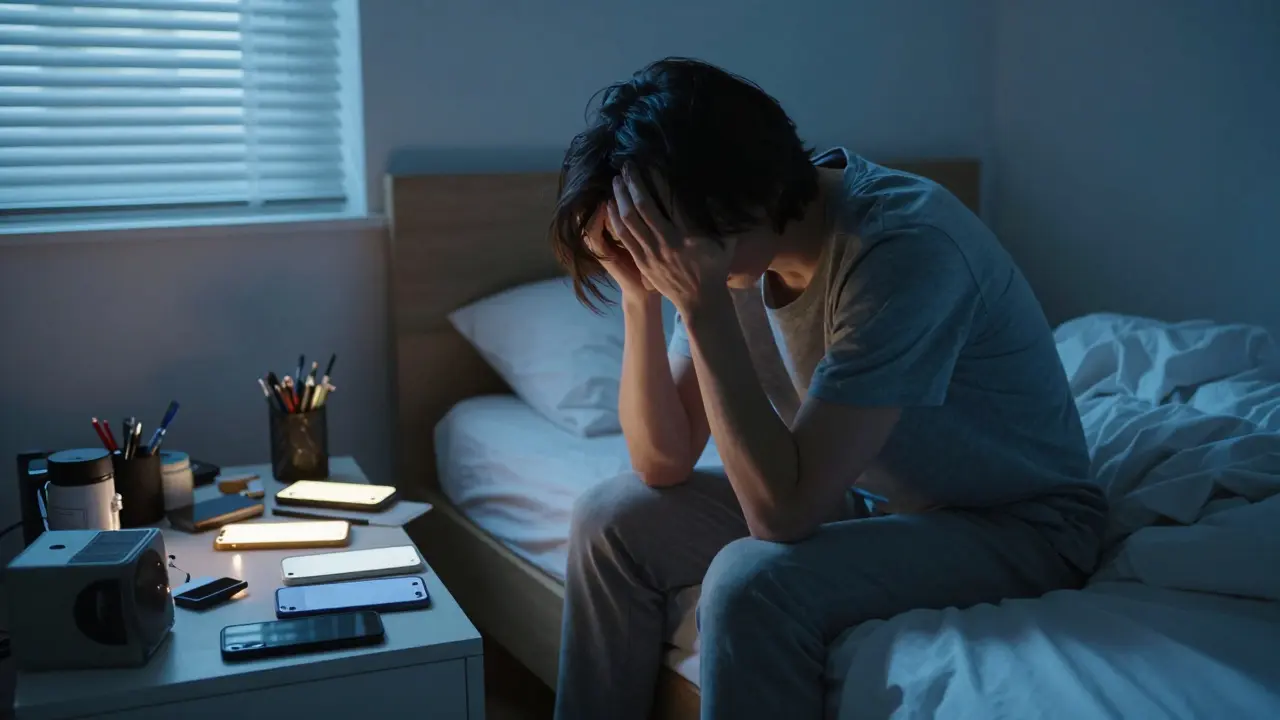
You wake up before your alarm. Your chest feels tight. The to-do list for the day is already scrolling through your mind like a broken record. You aren't just tired; you are stuck in overdrive. This isn't laziness or a lack of willpower. It is your body’s ancient survival mechanism misfiring in a world that demands constant availability.
For most of us living in 2026, stress isn't an occasional event. It is the background radiation of daily life. We check emails in bed, scroll through news feeds during lunch, and carry the weight of global uncertainty in our pockets. When the brain perceives constant threat-even if it's just a looming deadline-the sympathetic nervous system stays engaged. This is the "fight or flight" mode. While useful for escaping a predator, it is destructive when sustained for months or years. It raises cortisol levels, disrupts sleep, weakens immunity, and erodes mental clarity.
The solution isn't to eliminate stress entirely-that's impossible. The goal is to activate the counter-balance: the parasympathetic nervous system. This is the "rest and digest" state. Relaxation techniques are not merely about feeling calm for a moment. They are physiological tools that send direct signals to your brain to lower heart rate, reduce blood pressure, and reset your emotional baseline. Think of them as software updates for your nervous system.
Understanding the Physiology of Calm
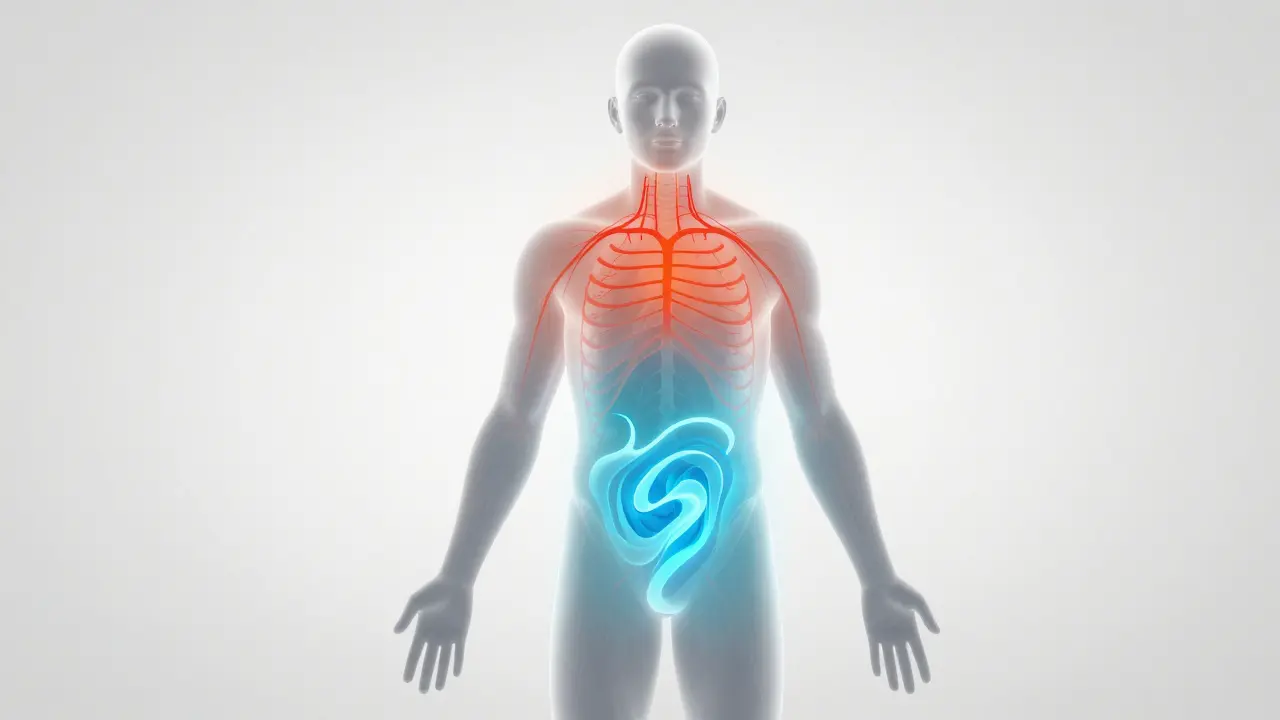
Before picking a technique, it helps to understand what is happening under the hood. When you are stressed, your body releases adrenaline and cortisol. Your muscles tense, your breathing becomes shallow, and your focus narrows to immediate threats. Relaxation works by interrupting this cycle. Most effective methods rely on one key lever: the breath.
Your vagus nerve is the main component of the parasympathetic nervous system. It runs from your brainstem down to your abdomen. When you breathe slowly and deeply, particularly extending the exhale, you stimulate the vagus nerve. This sends a literal message to your heart to slow down. Within minutes, your blood vessels dilate, and muscle tension decreases. This is why simple breathing exercises can be more powerful than a vacation if practiced consistently. You are hacking your biology.
Core Relaxation Techniques That Work
Not all relaxation methods are created equal. Some require silence and stillness; others work while you are walking or working. Here are the most evidence-backed techniques, categorized by how they engage your body and mind.
1. Diaphragmatic Breathing (Belly Breathing)
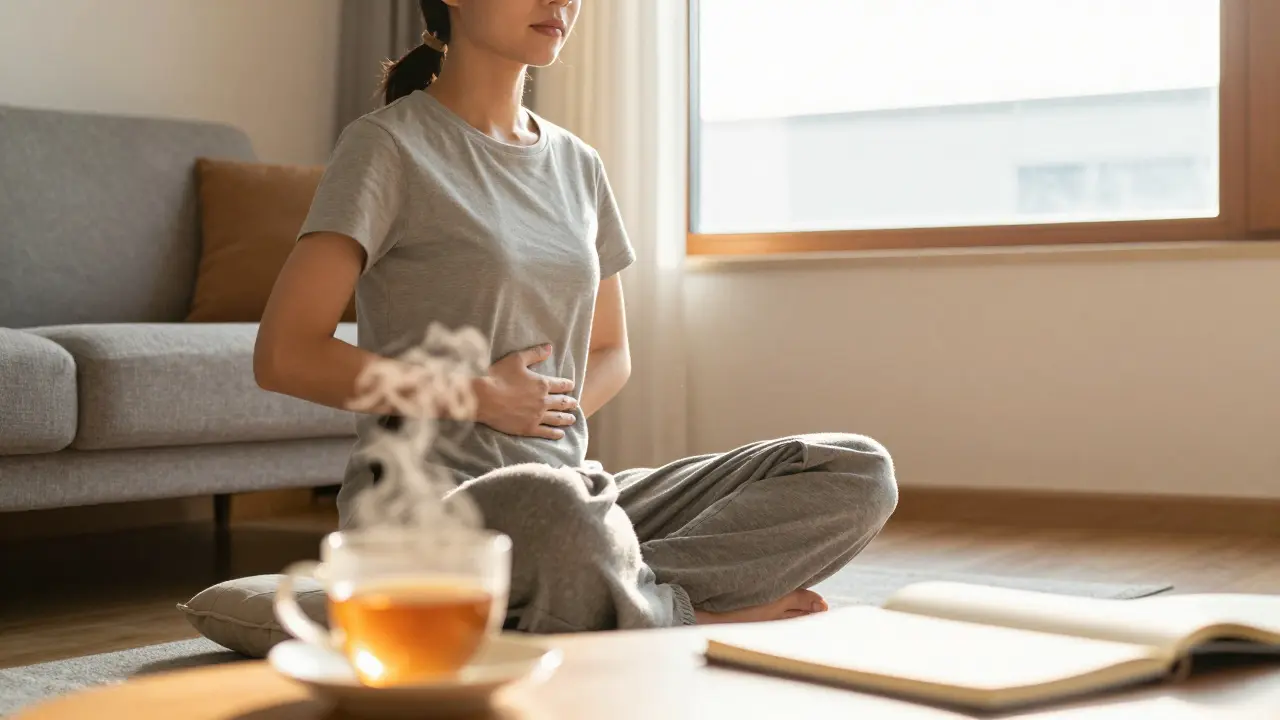
This is the foundation of almost all other relaxation practices. Most people breathe into their upper chest when stressed, which keeps the nervous system aroused. Diaphragmatic breathing engages the diaphragm, a large muscle below the lungs.
- How to do it: Sit comfortably or lie down. Place one hand on your chest and the other on your belly. Inhale slowly through your nose for four seconds, feeling your belly rise against your hand. Your chest should remain relatively still. Exhale slowly through pursed lips for six seconds, feeling your belly fall.
- Why it works: It maximizes oxygen exchange and directly stimulates the vagus nerve. Studies show it can lower heart rate variability (HRV) markers associated with stress within five minutes.
- Best for: Acute anxiety, pre-sleep routine, or starting the day.
2. Progressive Muscle Relaxation (PMR)
Developed in the 1920s, PMR is based on the principle that physical tension and mental tension are linked. By consciously tensing and then releasing muscle groups, you learn to recognize the difference between tension and relaxation.
- How to do it: Start at your toes. Curl them tightly for five seconds, then release suddenly and feel the tension drain away for ten seconds. Move to your calves, thighs, buttocks, abdomen, hands, arms, shoulders, and finally your face. Squeeze each group hard, then let go completely.
- Why it works: It forces a physical contrast that makes relaxation noticeable. It also reduces somatic symptoms of stress like headaches and jaw clenching.
- Best for: People who hold stress in their bodies, chronic pain sufferers, and those who find silent meditation difficult.
3. Mindfulness Meditation
Mindfulness is often misunderstood as "clearing your mind." In reality, it is about observing thoughts without judgment. It trains your attention to return to the present moment whenever it wanders.
- How to do it: Set a timer for five to ten minutes. Close your eyes and focus on the sensation of air moving in and out of your nostrils. When a thought arises (and it will), acknowledge it-"thinking," "planning," "worrying"-and gently return your focus to the breath. Do not fight the thoughts.
- Why it works: Regular practice changes brain structure. MRI studies have shown increased gray matter density in the hippocampus (learning and memory) and decreased density in the amygdala (fear and stress response).
- Best for: Long-term stress resilience, improving focus, and reducing rumination.
4. Guided Imagery
This technique uses the power of visualization to create a calming mental environment. It engages multiple senses to distract the brain from stressful stimuli.
- How to do it: Find a quiet place. Imagine a scene where you feel perfectly safe and relaxed-a beach, a forest, a childhood home. Engage all senses: What does the air smell like? What sounds do you hear? How does the sun feel on your skin? Stay in this image for several minutes.
- Why it works: The brain has difficulty distinguishing between vividly imagined experiences and real ones. This triggers the same relaxation response as being in the actual location.
- Best for: Pain management, sleep onset, and people who struggle with abstract meditation.
Building a Sustainable Practice
The biggest mistake people make with relaxation techniques is treating them like emergency brakes rather than preventive maintenance. Trying to meditate for twenty minutes when you are already in a panic attack is like trying to put out a house fire with a water pistol. You need a baseline level of regulation to handle spikes in stress.
Consistency matters more than duration. Five minutes of daily practice is more effective than one hour once a week. Here is how to integrate these techniques into a busy modern schedule:
- The Morning Anchor: Spend three minutes doing diaphragmatic breathing before checking your phone. This sets a calm tone for the day instead of immediately reacting to external demands.
- The Transition Ritual: Use PMR or a short walk in nature between work and home life. Physically leaving the workspace helps signal to your brain that the "work mode" is over.
- The Micro-Break: Every two hours at your desk, take sixty seconds to close your eyes and focus on your breath. This prevents the accumulation of low-grade stress throughout the day.
- The Evening Wind-Down: Avoid screens for thirty minutes before bed. Instead, try guided imagery or gentle stretching to prepare your body for sleep.
Common Pitfalls and How to Avoid Them
Many people abandon relaxation practices because they feel they are "doing it wrong." Here are some common misconceptions:
"I can't stop thinking." This is normal. The goal of meditation is not to stop thoughts but to change your relationship with them. If you notice your mind wandering, that is a success-you noticed. Bring it back. Repetition builds the neural pathway.
"It takes too much time." You don't need an hour. Research shows that even brief interventions of three to five minutes can significantly lower cortisol levels. Start small. Build the habit first, then increase the duration.
"I feel more anxious when I try to relax." For some, especially those with trauma histories, turning inward can initially feel unsafe. If this happens, switch to active relaxation techniques like walking, gardening, or listening to music. Focus on external sensations rather than internal states.
| Technique | Time Required | Best For | Difficulty Level |
|---|---|---|---|
| Diaphragmatic Breathing | 3-5 minutes | Acute stress, anywhere | Easy |
| Progressive Muscle Relaxation | 10-15 minutes | Physical tension, sleep | Medium |
| Mindfulness Meditation | 5-20 minutes | Long-term resilience, focus | Hard (initially) |
| Guided Imagery | 5-10 minutes | Pain relief, visualization lovers | Easy |
When to Seek Professional Help
While relaxation techniques are powerful tools, they are not a substitute for professional medical care. If your stress is accompanied by persistent sadness, loss of interest in activities, severe insomnia, or physical symptoms like chest pain, consult a healthcare provider. Conditions like generalized anxiety disorder, depression, or PTSD may require therapy or medication alongside self-care practices. A therapist can also help you tailor relaxation strategies to your specific needs, ensuring they are safe and effective.
How long does it take for relaxation techniques to work?
Physiological effects, such as lowered heart rate and blood pressure, can occur within minutes of practicing deep breathing or progressive muscle relaxation. However, lasting changes in stress resilience and brain structure typically require consistent daily practice over several weeks to months. Think of it like exercise: you might feel good after one workout, but strength builds over time.
Can I practice relaxation techniques at work?
Absolutely. Diaphragmatic breathing and brief mindfulness pauses can be done discreetly at your desk. You don't need to close your eyes or look like you're meditating. Simply focusing on your breath for 30 seconds can reset your nervous system during a high-pressure meeting or after a stressful email.
Is mindfulness the same as meditation?
Mindfulness is a quality of attention-being present and aware without judgment. Meditation is a formal practice used to cultivate mindfulness. You can be mindful while washing dishes or walking, without sitting in a formal meditation pose. However, regular meditation practice strengthens your ability to be mindful in everyday life.
What if I get more anxious when trying to relax?
This is a common experience, especially for beginners or those with high anxiety. It can happen because turning inward brings suppressed emotions to the surface. Try switching to active relaxation methods like walking, listening to calming music, or engaging in a hobby. Keep your eyes open and focus on external sensory details rather than internal thoughts. If anxiety persists, consider speaking with a therapist.
Do I need special equipment for relaxation techniques?
No. The most effective techniques rely on your own body and breath. While apps, guided audio tracks, or comfortable cushions can enhance the experience, they are not necessary. The core skills of deep breathing, muscle relaxation, and mindfulness are free and accessible anywhere.