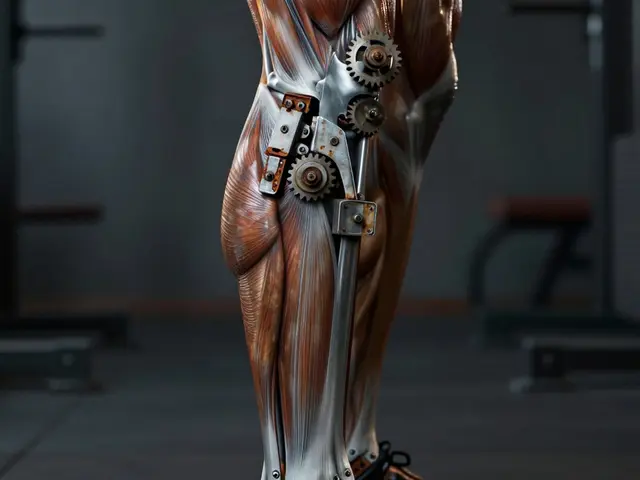
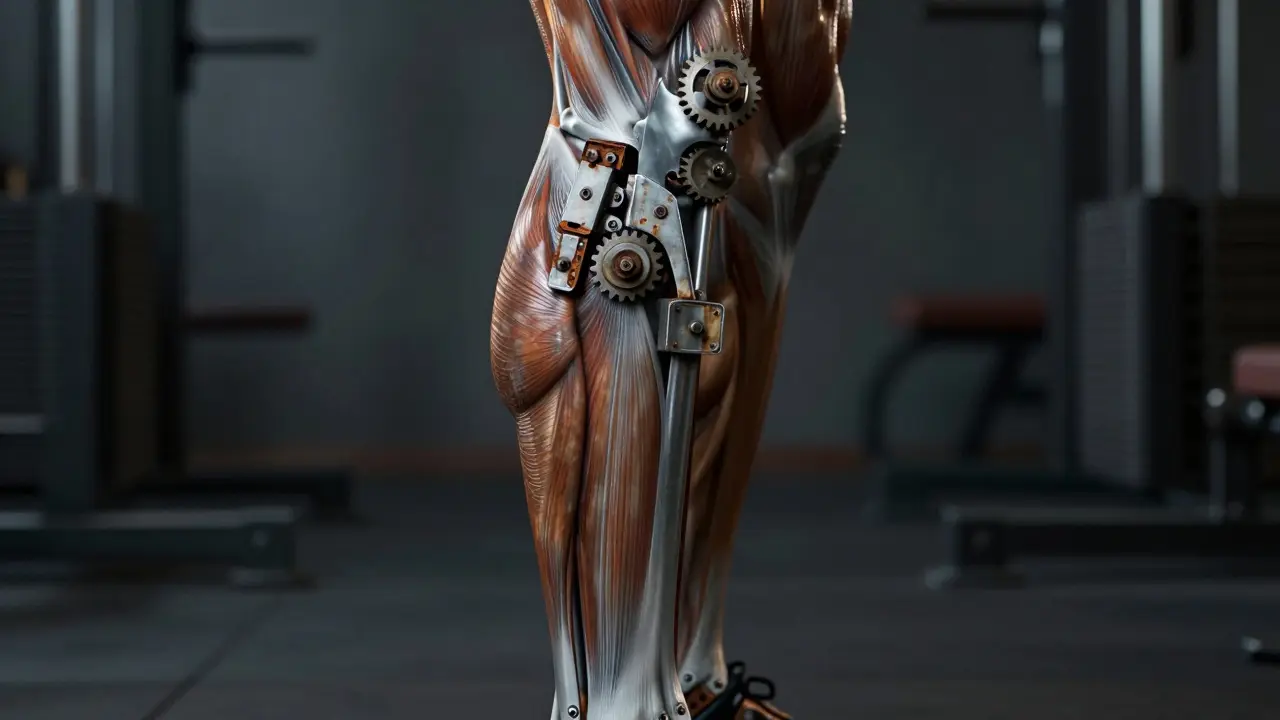
Ever felt like your muscles are just... stuck? You've hit your macros, you're sleeping eight hours, and your training plan is solid, but your body feels like a rusted hinge. Most people think massage is just a luxury-something you do with cucumber slices on your eyes after a long week. But if you're training for a marathon or trying to hit a new PR in the gym, treating recovery as an afterthought is a mistake. Sports massage isn't about relaxation; it's a targeted tool to keep your biological machinery running without breaking down.
Main Takeaways for Your Recovery
- Increases blood flow to tired muscles to speed up nutrient delivery.
- Breaks down adhesions (knots) that limit your range of motion.
- Reduces the risk of acute injuries like strains and sprains.
- Helps clear metabolic waste after intense anaerobic efforts.
What Exactly Is Sports Massage?
Unlike a Swedish massage, which aims to calm your nervous system, Sports Massage is a specialized form of soft tissue therapy designed to enhance athletic performance and facilitate recovery. It focuses on the specific muscle groups used in your sport, whether that's the calves of a runner or the shoulders of a swimmer. It uses a variety of techniques, including deep tissue work and stretching, to address the unique stresses placed on an athlete's body.
Think of it as a tune-up for your muscles. When you work out, you create microscopic tears in your muscle fibers. This is normal-it's how you get stronger. However, if these fibers heal haphazardly, they create "knots" or adhesions. These aren't actually knots in the string sense, but areas where the muscle is stuck in a contracted state. A therapist uses targeted pressure to release these, allowing the muscle to glide smoothly again.
The Science of Muscle Recovery
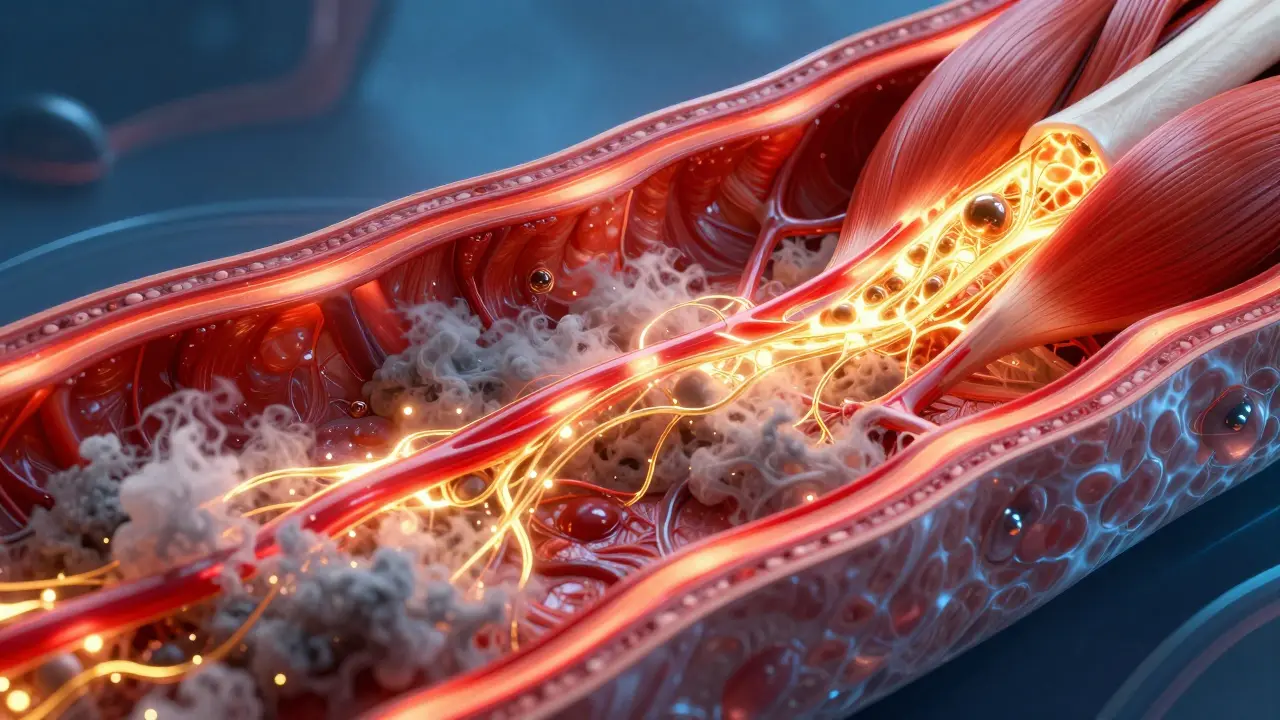
When you push your body to the limit, you're not just burning calories; you're creating a metabolic mess. During intense exercise, your muscles produce lactic acid and other metabolites. While your body clears these naturally, Lymphatic Drainage-the process of moving fluid through the lymph system-can be sluggish. This is where manual therapy comes in.
By applying rhythmic pressure, a sports massage physically pushes blood and lymph fluid through the tissues. This does two things: it flushes out the waste products and brings in fresh, oxygenated blood carrying glucose and amino acids. This is why you often feel a "glow" or a sense of lightness after a session; your tissues have been chemically refreshed.
Integrating Massage Into Your Training Cycle
You shouldn't just book a massage when you're already hurt. To get the most out of it, you need to time your sessions based on your training phase. If you go too hard right before a big event, you might actually leave performance on the table by making your muscles too relaxed.
| Phase | Goal | Technique Focus | Frequency |
|---|---|---|---|
| Pre-Event | Activation | Fast-paced, stimulating strokes | 24-48 hours before |
| During Heavy Training | Maintenance | Myofascial Release & deep tissue | Every 1-2 weeks |
| Post-Event/Race | Recovery | Gentle flushing, light pressure | 24-72 hours after |
| Off-Season | Corrective | Deep structural work, trigger point therapy | Monthly |
Breaking Down the Techniques
If you've never had a sports massage, you might be surprised by the variety of moves. It's not just rubbing your back. A good therapist will switch between several modalities depending on what your muscles need.
- Effleurage: Long, gliding strokes. This is used at the start and end of a session to warm up the tissue and move lymph fluid.
- Petrissage: Kneading the muscle. This is how they get deep into those thick muscle groups like the quads or glutes to squeeze out toxins.
- Friction: Small, deep movements across the grain of the muscle. This is specifically used to break up scar tissue or chronic adhesions.
- Trigger Point Therapy: Applying concentrated pressure to a specific "hot spot" until it releases. This is often the part that hurts the most but provides the most relief.
One of the most effective tools in this arsenal is Myofascial Release, which is a technique used to stretch and mobilize the fascia-the connective tissue wrapping your muscles. When fascia becomes tight, it's like wearing a suit that's two sizes too small; you can't move naturally. Releasing the fascia opens up your range of motion instantly.
Prevention vs. Reaction: Avoiding the Injury Trap
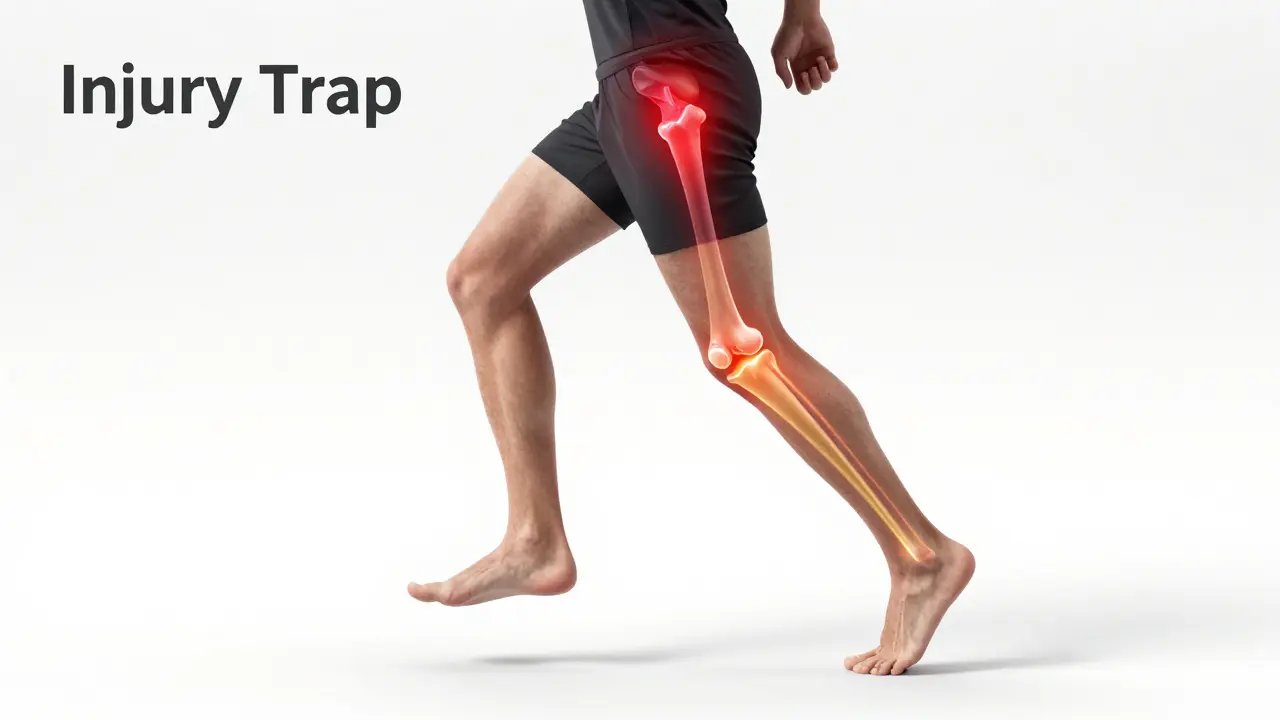
Most athletes treat massage like an ER visit: "My hamstring is tight, I need a massage." By that point, you're already in the danger zone. When a muscle is chronically tight, it pulls on the joint, changing your biomechanics. If your hip is tight, your knee has to compensate, which eventually leads to an overuse injury like tendonitis.
Regular maintenance prevents this chain reaction. For instance, a runner who gets their calves and IT bands worked on every two weeks is far less likely to develop Plantar Fasciitis because the tension isn't allowed to build up and pull on the bottom of the foot. It's about maintaining the elasticity of the muscle, ensuring that when you actually *do* have to make a sudden move-like dodging a teammate or sprinting for a finish line-your tissues can handle the load without snapping.
How to Choose the Right Therapist
Not every massage therapist is a sports therapist. Someone who specializes in prenatal or relaxation massage might be great at making you feel pampered, but they might not understand the specific needs of a powerlifter or a triathlete. You want someone who understands anatomy and kinesiology.
Ask them how they handle a "pre-event" vs. a "recovery" session. If they give you the same gentle rub for both, they aren't specialized in sports. A real pro will ask about your current training volume, where you feel the most restriction, and what your specific goals are for the next month. They should be able to pinpoint exactly why your shoulder is clicking or why your lower back feels tight after a long run.
Common Pitfalls to Avoid
One big mistake people make is thinking "more pain equals more gain." While deep tissue work can be uncomfortable, it shouldn't be agonizing. If you're tensing up and holding your breath during the massage, your muscles are actually fighting the therapist, which makes the treatment less effective. Communication is key-tell them if the pressure is too much.
Another mistake is neglecting hydration. Massage releases metabolic waste into your bloodstream. If you're dehydrated, your blood is thicker and the kidneys have a harder time processing those toxins. This is why some people feel "massage flu" (a slight fatigue or headache) the next day. Drink a glass of water before and after your appointment to keep things moving.
Does a sports massage always hurt?
Not necessarily. While some techniques like trigger point therapy or deep friction can be intense, the goal is "good pain"-a feeling of release. If you are in acute pain or guarding the muscle, the therapist should adjust the pressure. It should feel like a deep stretch, not like an injury.
How often should I get a sports massage?
This depends on your training intensity. For a casual gym-goer, once a month is usually enough. For competitive athletes in a heavy training block, once every 1-2 weeks is ideal to manage inflammation and maintain flexibility.
Can I use a foam roller instead?
Foam rolling is great for daily maintenance and "waking up" the muscles, but it can't replace a therapist. A professional can find specific adhesions and use different angles of pressure that a roller simply cannot reach, especially around the neck, hips, and shoulder blades.
Will it make me weaker before a competition?
Only if you get a deep, corrective massage too close to your event. Deep tissue work creates a systemic inflammatory response as the body repairs the tissue. This is why you should avoid heavy sessions within 48-72 hours of a race; stick to light, stimulating work instead.
What should I do immediately after a session?
Prioritize hydration and light movement. Avoid hitting a max-effort workout immediately after a deep session. Instead, go for a light walk or do some gentle stretching to help the blood flow and settle the muscles into their new, lengthened state.
Next Steps for Your Fitness Plan
If you've never tried professional recovery, start by mapping out your next four weeks of training. Identify your "peak" weeks-the ones where you'll be pushing the most volume. Schedule a maintenance session midway through those peaks and a recovery session immediately following them. If you're on a budget, start with a focused session on your most problematic area (like the hips or lower back) and see how it changes your movement patterns during your next workout. You'll likely find that you're not just recovering faster, but moving more efficiently.