Food prices have climbed steadily over the last few years, and by May 2026, many families are feeling the pinch at the checkout counter. You might think that eating well means spending a fortune on organic kale, free-range chicken, or imported superfoods. But here is the truth: a nutritious diet does not have to break the bank. In fact, some of the most nutrient-dense foods available are among the cheapest items in the supermarket. The key lies in knowing what to buy, how to cook it, and avoiding the traps that drain your wallet.
Eating healthy on a budget is less about finding miracle ingredients and more about mastering the basics. It requires a shift in mindset from convenience to value. When you stop paying for packaging, branding, and pre-cut convenience, you unlock significant savings while simultaneously improving your health. This guide will walk you through practical strategies to eat better without spending more, focusing on real-world tactics that work in today’s economy.
Rethinking Your Grocery List: The Power of Staples
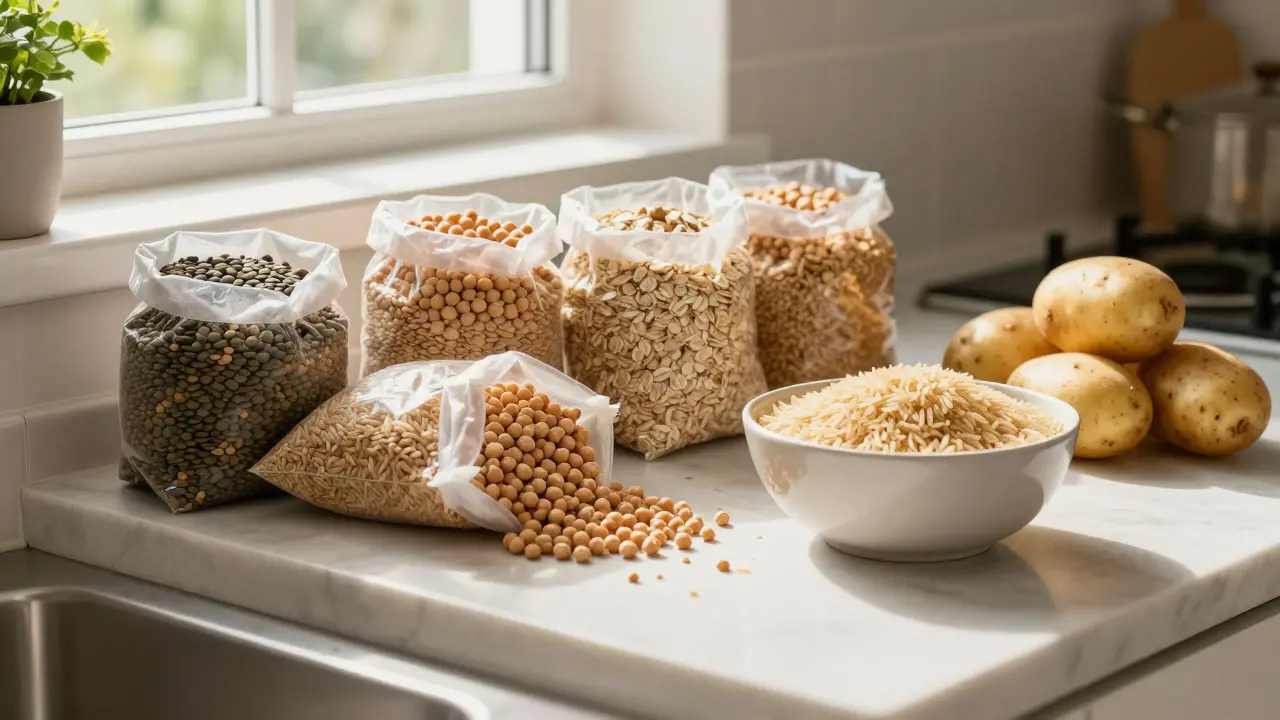
The foundation of any affordable diet rests on staple foods. These are items that are shelf-stable, versatile, and packed with nutrients. Unlike trendy diet foods that come and go, staples have remained consistently low-priced because they are produced in massive quantities and require minimal processing.
Consider legumes like lentils and chickpeas. Dried lentils cost a fraction of the price of canned varieties and provide an excellent source of plant-based protein and fiber. A single cup of cooked lentils can keep you full for hours, reducing the likelihood of snacking on expensive, processed treats. Similarly, oats are incredibly cheap and offer sustained energy due to their high beta-glucan content. By making these items the core of your meals, you drastically reduce reliance on costly meat products.
Rice, potatoes, and pasta are other essential components. While white rice has been demonized in some circles, brown rice offers more nutrients at a similar price point. Potatoes, often unfairly labeled as unhealthy, are actually rich in potassium and vitamin C when eaten with the skin on. Boiling or roasting them with olive oil creates a satisfying side dish for pennies per serving.
Frozen vs. Fresh: Debunking the Quality Myth
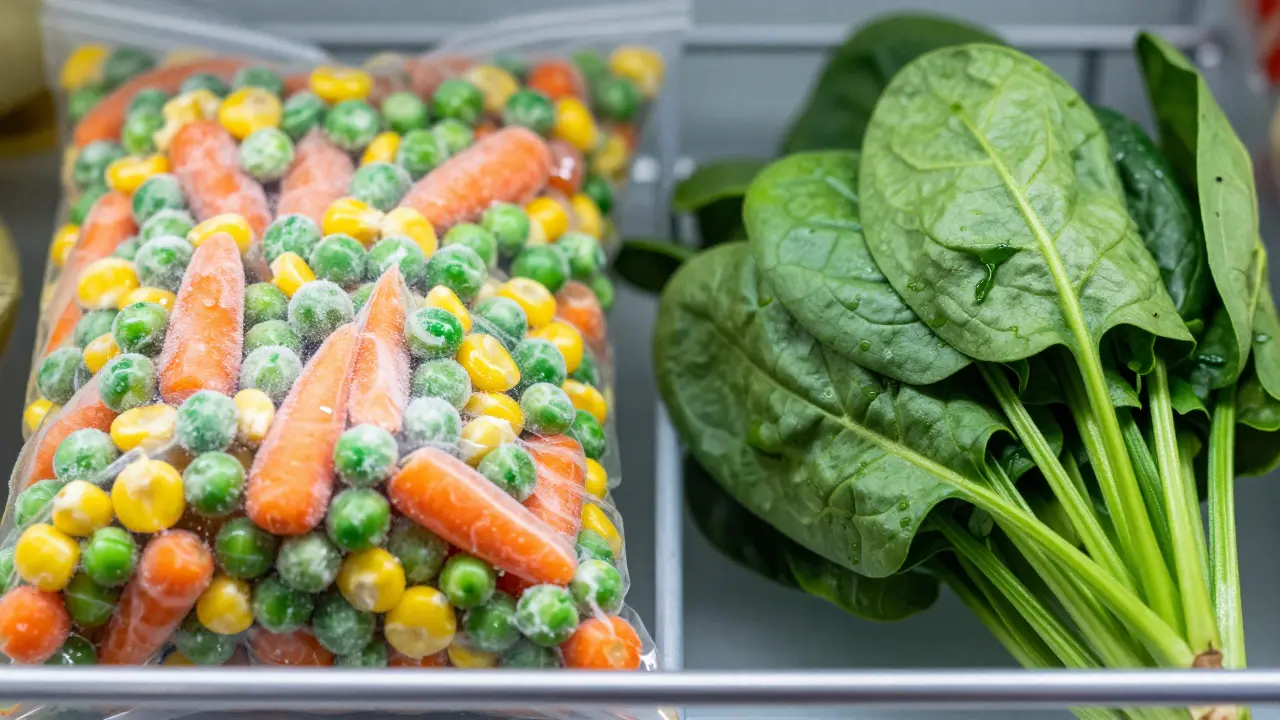
One of the biggest misconceptions in budget-friendly eating is that fresh produce is always superior to frozen. In reality, frozen vegetables are often more nutritious than their fresh counterparts found in supermarkets. Why? Because frozen produce is harvested at peak ripeness and flash-frozen within hours, locking in vitamins and minerals. Fresh produce, on the other hand, may sit in transit for days or weeks, losing nutritional value along the way.
Frozen fruits and vegetables also eliminate waste. How many times have you bought a bunch of spinach only for it to wilt before you could use it all? Frozen bags allow you to take out exactly what you need, when you need it. This reduces food waste, which is essentially throwing money away. Plus, frozen options are often cheaper per kilogram than fresh, especially during off-seasons when local produce is scarce.
Mastering the Art of Meal Planning
Impulse buying is the enemy of a tight budget. Without a plan, you are vulnerable to marketing tactics designed to make you spend more. Creating a weekly meal plan forces you to think strategically about what you need and prevents unnecessary trips to the store.
Start by checking your pantry and fridge. What do you already have that needs to be used up? Build your meals around those items. Then, look at sales flyers or digital coupons from local stores. If ground beef is on sale, plan two meals featuring it-perhaps a chili on Monday and tacos on Thursday. This approach ensures you buy in bulk when prices are low and use everything you purchase.
Meal planning also helps you control portion sizes. Cooking at home allows you to decide how much food goes onto your plate, whereas restaurant portions are often oversized and contribute to both weight gain and higher costs. By preparing meals in advance, you resist the temptation to order takeout, which can easily cost three to five times more than cooking at home.
Cooking from Scratch: Time vs. Money Trade-off
Cooking from scratch takes time, but it saves money. Processed foods carry a premium for convenience. Pre-cut vegetables, ready-made sauces, and packaged snacks all add up quickly. Learning basic cooking skills empowers you to create flavorful meals using simple ingredients.
For example, making your own bread is surprisingly easy and far cheaper than buying artisanal loaves. Basic sourdough requires flour, water, salt, and a starter culture. Even if you don’t want to bake, learning to make stock from vegetable scraps or grinding your own spices can enhance flavor without adding cost. Spices are inexpensive when bought whole and ground at home, offering complex flavors that elevate simple dishes like roasted chickpeas or stir-fried rice.
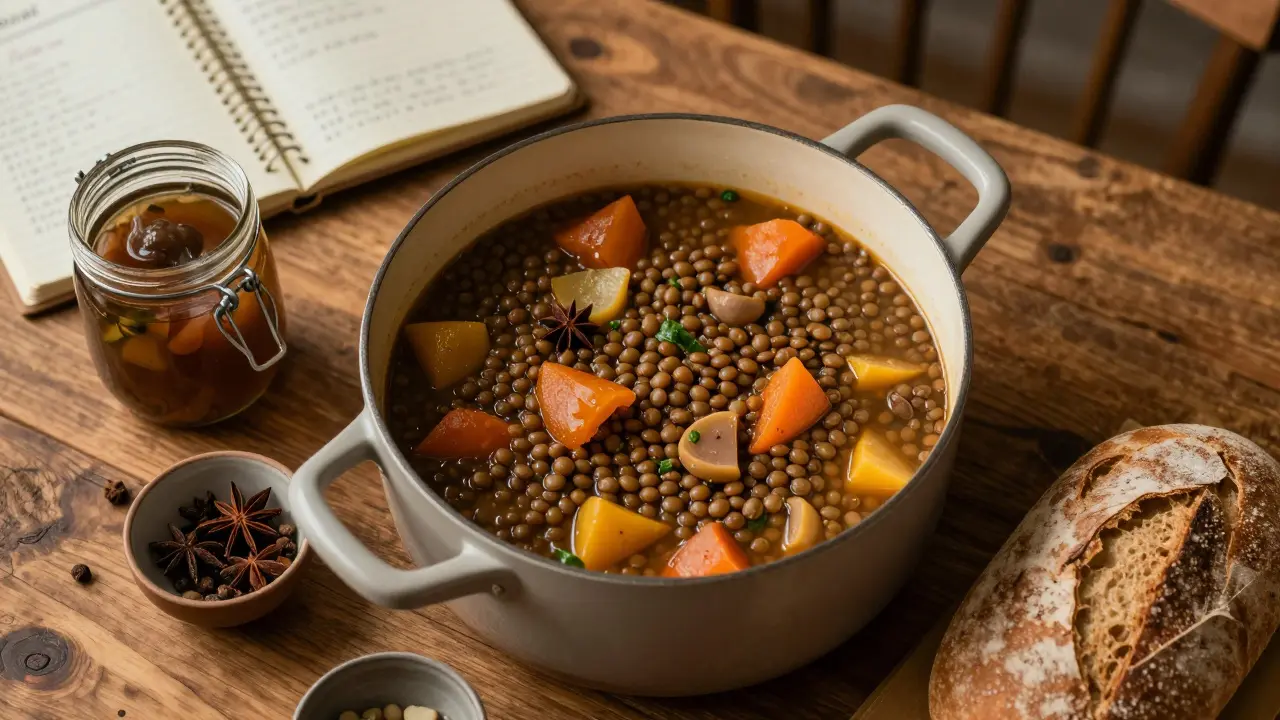
Batching meals is another effective strategy. Spending a few hours on Sunday to prepare large pots of soup, stew, or grain bowls provides ready-to-eat lunches and dinners throughout the week. This reduces daily decision fatigue and ensures you always have a healthy option available, even on busy nights.
Avoiding Common Budget Traps
Even with good intentions, certain habits can sabotage your efforts to eat well on a budget. One major trap is buying single-serving items. Individual yogurt cups, small juice bottles, and pre-portioned snacks cost significantly more per unit than larger containers. Always calculate the price per ounce or gram to determine true value.
Another pitfall is falling for "healthy" marketing labels. Terms like "low-fat," "all-natural," or "gluten-free" often signal higher prices without necessarily indicating better nutrition. Many gluten-free products are made from refined flours and lack fiber, making them less nutritious than regular whole-grain alternatives. Stick to whole foods with short ingredient lists whenever possible.
Also, beware of subscription services that promise convenience. While meal kit delivery services can simplify cooking, they typically cost twice as much as buying ingredients directly. For most people, the savings from cooking independently outweigh the time saved by using these services.
| Item | Budget Option | Premium Option | Estimated Savings (per week) |
|---|---|---|---|
| Protein Source | Dried Lentils ($1/kg) | Chicken Breast ($15/kg) | $10+ |
| Vegetables | Frozen Mixed Veggies ($3/bag) | Fresh Organic Salad Mix ($8/head) | $5+ |
| Breakfast | Oats ($2/kg) | Granola Bars ($10/pack) | $7+ |
| Beverages | Tap Water + Tea Bags ($5/box) | Bottled Juice/Coffee ($20/week) | $15+ |
Smart Shopping Strategies for 2026
In 2026, technology plays a bigger role in helping consumers save money. Use grocery apps to compare prices across different stores. Many retailers now offer dynamic pricing based on demand, meaning items close to expiration may be marked down significantly. Apps like Too Good To Go allow you to purchase surplus food from restaurants and bakeries at a fraction of the retail price.
Joining loyalty programs can also yield dividends. Points accumulated through purchases can be redeemed for discounts or free items. Additionally, consider shopping at discount grocers or ethnic markets. These stores often carry high-quality produce, meats, and grains at lower prices than mainstream supermarkets. Asian markets, for instance, frequently offer fresh seafood and vegetables at competitive rates.
Finally, grow your own food if space permits. Herbs like basil, mint, and parsley grow easily in pots on a windowsill. Tomatoes and peppers can thrive in small garden beds. Homegrown produce not only tastes better but also eliminates the cost of purchasing these items repeatedly.
Nutritional Balance on a Shoestring
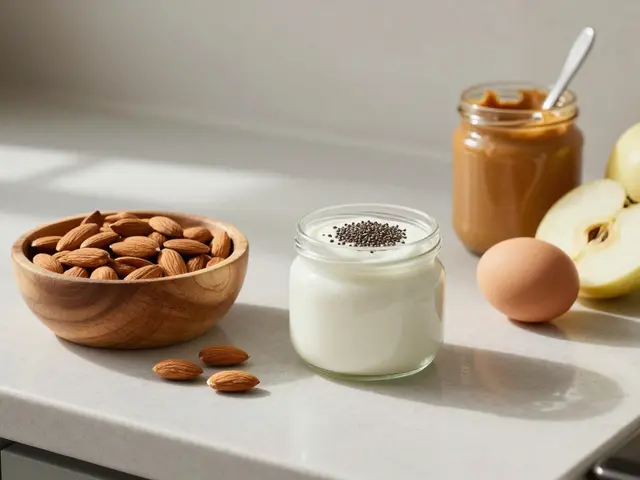
Eating cheaply doesn’t mean sacrificing nutrition. A balanced diet includes carbohydrates, proteins, fats, vitamins, and minerals. You can achieve this balance with affordable ingredients. Eggs are one of the cheapest sources of complete protein, providing all nine essential amino acids. Beans and lentils complement grains like rice to form complete protein profiles, ideal for vegetarians and vegans.
Fats are crucial for brain health and hormone production. Instead of expensive avocado oil or coconut oil, use standard vegetable oils in moderation or incorporate nuts and seeds into your meals. Peanut butter is an affordable source of healthy fats and protein, perfect for spreading on toast or mixing into smoothies.
Vitamins and minerals are abundant in seasonal produce. Carrots, cabbage, and onions are hardy vegetables that store well and remain inexpensive year-round. They provide vital antioxidants and support immune function. Incorporating a variety of colors into your meals ensures you’re getting a broad spectrum of nutrients.
Is it really possible to eat healthy on $50 a week?
Yes, it is possible, though challenging. Focus on staples like rice, beans, eggs, and seasonal vegetables. Avoid processed foods and dining out. Careful meal planning and buying in bulk are essential to stretch your budget further.
What are the best cheap protein sources?
Dried beans, lentils, chickpeas, eggs, and canned tuna are among the most affordable protein sources. Tofu and tempeh are also cost-effective options for vegetarians. Buying larger cuts of meat and cutting them yourself can be cheaper than pre-minced versions.
How can I reduce food waste to save money?
Practice proper storage techniques, such as keeping herbs in water in the fridge or storing potatoes in a cool, dark place. Use leftovers creatively-turn roasted veggies into soups or sandwiches. Freeze excess fruit for smoothies later.
Are generic brands really as good as name brands?
In many cases, yes. Generic brands often contain identical ingredients and are manufactured in the same facilities as name brands. Check labels for differences in quality, but for staples like sugar, flour, and canned goods, generics offer significant savings without compromising quality.
Can I still enjoy desserts on a budget?
Absolutely. Homemade desserts are much cheaper than store-bought ones. Baking simple cakes, cookies, or fruit crisps using basic ingredients like flour, sugar, and seasonal fruits allows you to satisfy sweet cravings without overspending.