Your stomach is probably the first place you notice when something feels off. Maybe it’s a sudden bout of bloating after lunch, or that heavy, sluggish feeling that hits you around 3 PM. We often blame stress or bad coffee, but the real culprit might be living inside your digestive tract. Gut health is the state of your gastrointestinal system and the trillions of microorganisms living within it. It’s not just about digestion; it’s the foundation of your energy, mood, and immunity.
If you’ve ever wondered why some people can eat whatever they want without gaining weight while others struggle to keep their energy up despite eating "clean," the answer usually lies in the gut. The human body hosts roughly 39 trillion bacteria. That’s more than the number of cells in your entire body. These microbes aren’t just passengers; they’re active participants in how you feel every single day.
The Microbiome: Your Body’s Hidden Control Center
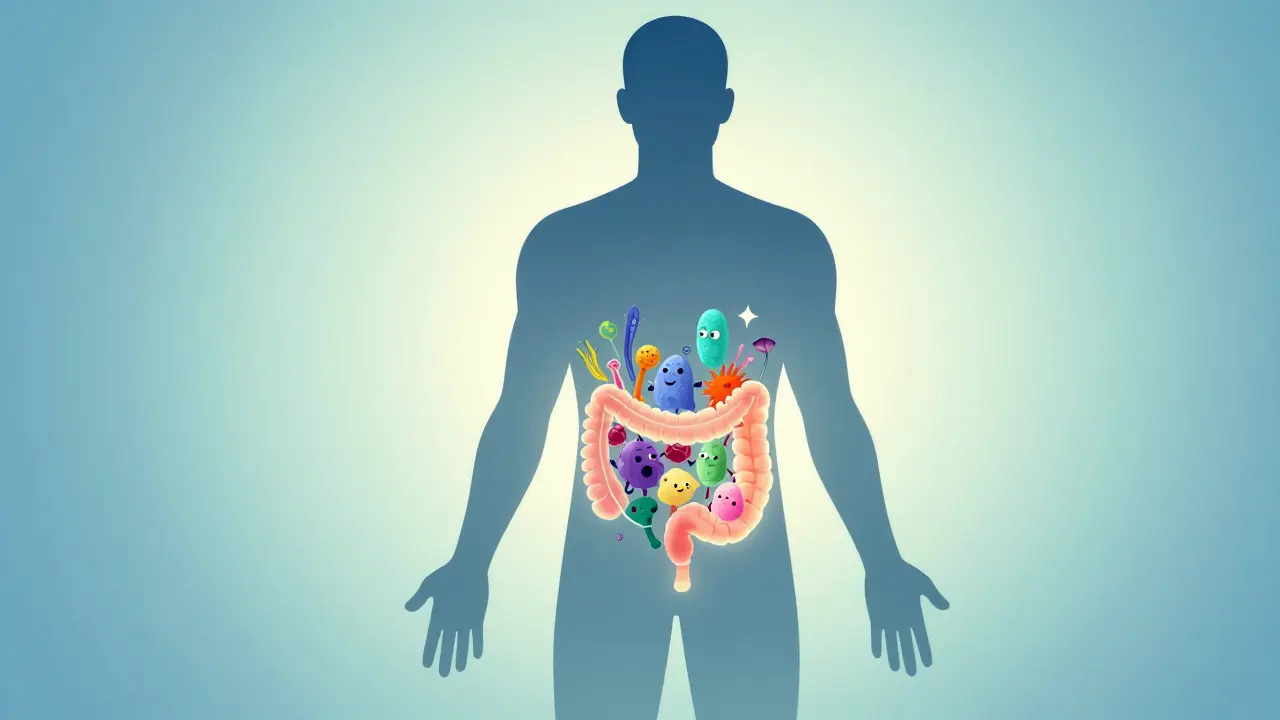
To understand how to transform your lifestyle, you first need to meet the team running the show: the microbiome. This is the collective DNA of all the microbes-bacteria, viruses, fungi, and archaea-that live in your gut. Think of it as a complex ecosystem, like a rainforest. If the rainforest is healthy, it produces oxygen and supports life. If it’s damaged, everything suffers.
A diverse microbiome is key. Research published in journals like *Nature* shows that people with a wider variety of bacterial species tend to have better metabolic health and stronger immune responses. When diversity drops, you become vulnerable to inflammation, which is linked to everything from acne to heart disease.
Here’s the catch: modern life is terrible for microbial diversity. Sterile environments, processed foods, and excessive antibiotic use have stripped many of us of our beneficial bugs. You don’t need a lab test to know if yours is struggling. Look at your daily reality:
- Do you experience frequent bloating or gas?
- Is your energy level erratic throughout the day?
- Do you crave sugar or carbs constantly?
- Are you prone to anxiety or brain fog?
If you answered yes to any of these, your gut is likely sending distress signals. Ignoring them doesn’t make them go away; it just makes them louder.
The Gut-Brain Axis: Why Your Mood Lives in Your Belly
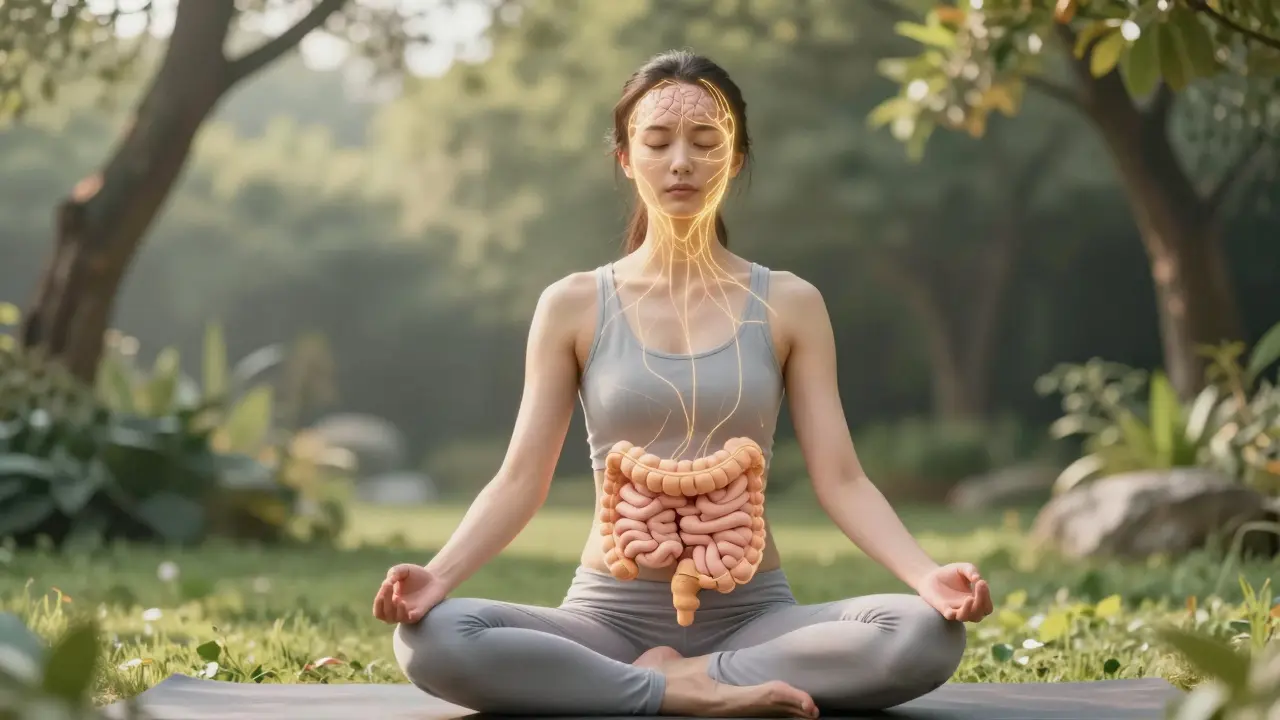
You’ve heard the phrase "I have a gut feeling." Science has finally caught up to this intuition. The gut-brain axis is a bidirectional communication network that links your enteric nervous system (the nerves in your gut) to your central nervous system (your brain). They talk to each other constantly via the vagus nerve and chemical messengers.
About 95% of your serotonin, the neurotransmitter responsible for regulating mood, sleep, and appetite, is produced in the gut. Not the brain-the gut. When your gut lining is inflamed or your microbiome is imbalanced (a condition called dysbiosis), serotonin production drops. This directly impacts your mental health. Studies have shown a strong correlation between poor gut health and increased rates of depression and anxiety.
This isn’t just theory. In clinical trials, patients with irritable bowel syndrome (IBS) often report significant improvements in anxiety levels after treating their gut issues. By nurturing your gut, you’re essentially performing maintenance on your emotional stability. It’s a powerful reminder that self-care isn’t just about meditation apps; it’s about what’s happening biologically inside you.
Foods That Feed Good Bacteria vs. Kill Them
You can’t buy your way out of bad gut health with expensive supplements alone. Food is the primary lever you have. But not all food is created equal. The goal is to feed the good bacteria while starving the bad ones.
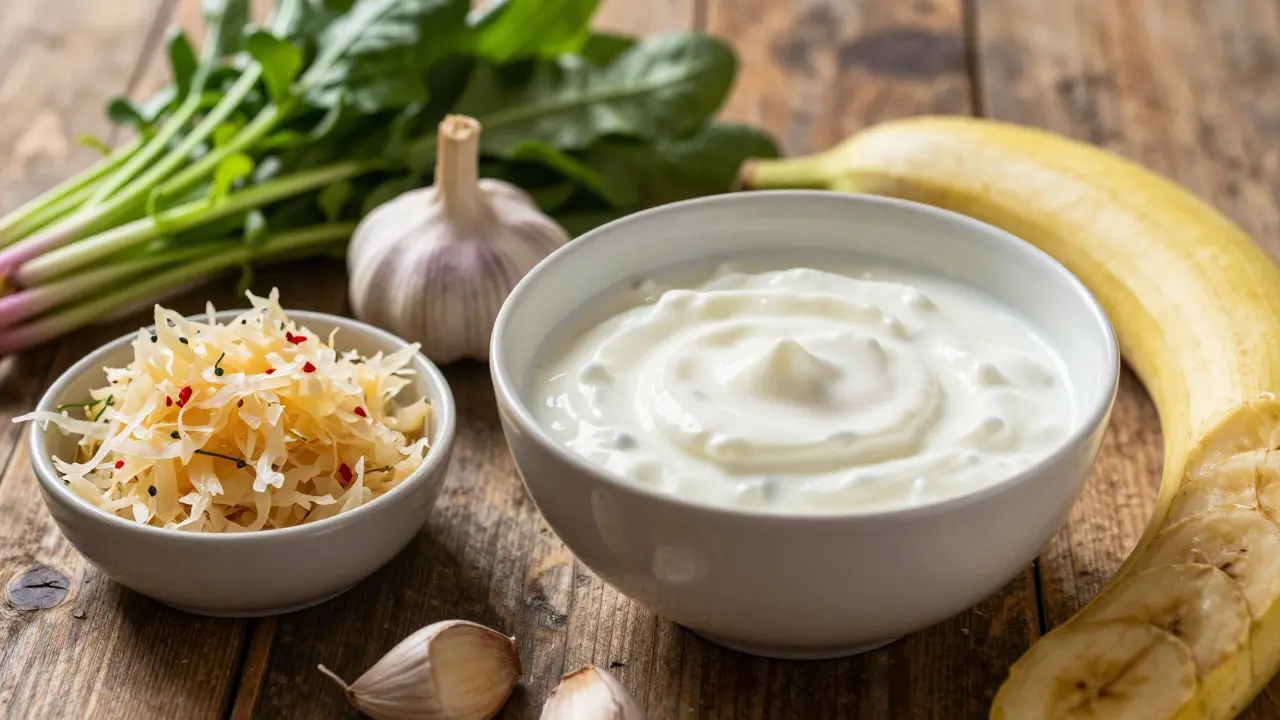
Prebiotics are fuel. Prebiotics are non-digestible fibers that pass through the upper digestive tract and ferment in the colon, feeding the beneficial bacteria. Without prebiotics, probiotics (the live bacteria themselves) can’t survive long-term. Top sources include:
- Garlic and onions (rich in inulin)
- Asparagus
- Bananas (especially slightly green ones)
- Oats and barley
- Dandelion greens
Probiotics are workers. These are the live microorganisms that add to the population of good bacteria. Fermented foods are the best source because they come with natural enzymes and nutrients. Include:
- Yogurt (look for "live active cultures" on the label)
- Kefir (a fermented milk drink with higher diversity than yogurt)
- Sauerkraut (must be unpasteurized; pasteurization kills the bacteria)
- Kimchi
- Miso soup
The Enemies: Processed Foods and Sugar. Industrial seed oils, artificial sweeteners, and high-sugar diets promote the growth of harmful bacteria and yeasts like Candida. These pathogens create toxins that damage the gut lining, leading to "leaky gut" syndrome, where undigested food particles leak into the bloodstream, triggering systemic inflammation.
| Category | Gut-Friendly (Eat More) | Gut-Unfriendly (Limit/Avoid) |
|---|---|---|
| Fiber Sources | Legumes, berries, leafy greens | White bread, white rice, refined flour |
| Fermented Foods | Kombucha, kefir, kimchi | Pasteurized pickles, sugary yogurts |
| Fats | Olive oil, avocados, nuts | Trans fats, fried foods, margarine |
| Sweeteners | Honey (raw), maple syrup (in moderation) | High-fructose corn syrup, aspartame, sucralose |
Lifestyle Factors Beyond Diet
Eating right is only half the battle. Your daily habits dictate whether those good bacteria thrive or die. Stress is perhaps the biggest overlooked factor. When you’re stressed, your body releases cortisol. High cortisol levels reduce blood flow to the digestive system and alter the composition of your microbiome. Chronic stress literally starves your good bacteria.
Sleep matters too. During deep sleep, your body repairs the gut lining. Poor sleep disrupts the circadian rhythm of your gut bacteria, leading to irregularities in digestion and metabolism. Aim for 7-9 hours of quality sleep. Keep your bedroom cool and dark, and avoid screens an hour before bed.
Exercise changes the game. Moderate physical activity increases the diversity of your gut microbiome. It doesn’t matter if you’re lifting weights or going for a run; movement stimulates peristalsis (the muscular contractions that move food through your gut) and reduces inflammation. Even a 20-minute walk after meals can significantly aid digestion and lower blood sugar spikes.
Practical Steps to Start Today
Transforming your gut health doesn’t require a radical overnight overhaul. Small, consistent changes yield the best results. Here is a simple protocol to start implementing immediately:
- Start with one fermented food daily. Add a tablespoon of sauerkraut to your breakfast or a cup of kefir to your smoothie. Consistency is more important than quantity at first.
- Hit the fiber target. Aim for 30 grams of fiber per day. Most people get less than 15. Increase intake gradually to avoid initial bloating.
- Chew your food thoroughly. Digestion starts in the mouth. Chewing breaks down food mechanically and mixes it with saliva, which contains enzymes that begin breaking down starches. Rushing your meals forces your stomach to work overtime.
- Stay hydrated. Water helps dissolve nutrients so your body can absorb them. It also keeps stool soft and prevents constipation, which allows waste-and toxins-to exit efficiently.
- Manage stress intentionally. Practice deep breathing exercises or mindfulness for 10 minutes a day. Activating your parasympathetic nervous system (the "rest and digest" mode) supports gut function.
Be patient with your body. The gut lining regenerates every few days, but rebuilding a diverse microbiome takes weeks to months. You might experience temporary bloating as your body adjusts to higher fiber intake. This is normal. Listen to your body, adjust portions, and keep moving forward.
When to Seek Professional Help
While lifestyle changes help most people, some conditions require medical intervention. If you experience persistent abdominal pain, unexplained weight loss, blood in your stool, or severe diarrhea, see a doctor. Conditions like Crohn’s disease, ulcerative colitis, or celiac disease need specific diagnostic testing and treatment plans.
A functional medicine practitioner or a gastroenterologist can order tests like a comprehensive stool analysis to identify specific imbalances. They can recommend targeted probiotic strains or dietary protocols based on your unique biology. Don’t rely solely on internet advice for serious symptoms.
How long does it take to improve gut health?
You may notice small improvements in digestion and energy within a few days to a week. However, significant changes in microbiome diversity and long-term benefits typically take 4 to 8 weeks of consistent dietary and lifestyle changes.
Can probiotics cure IBS?
Probiotics can help manage symptoms of Irritable Bowel Syndrome (IBS) for many people, particularly strains like Bifidobacterium and Lactobacillus. However, they are not a universal cure. Results vary by individual, and it’s best to try one strain at a time to see how your body reacts.
What is leaky gut syndrome?
Leaky gut, or increased intestinal permeability, occurs when the tight junctions in the gut lining weaken, allowing undigested food particles, toxins, and bacteria to enter the bloodstream. This triggers an immune response and systemic inflammation, potentially leading to autoimmune reactions, fatigue, and skin issues.
Should I avoid gluten to improve gut health?
Unless you have celiac disease or a diagnosed gluten sensitivity, avoiding gluten is not necessary for everyone. For many people, whole grains containing gluten provide beneficial fiber. If you suspect gluten intolerance, try eliminating it for 30 days under guidance and observe changes in your symptoms.
Does alcohol hurt gut health?
Yes, excessive alcohol consumption damages the gut lining, alters the microbiome, and increases inflammation. Moderation is key. Limiting intake or taking regular alcohol-free days can give your gut time to repair and restore balance.