What if you could learn to calm your nervous system just by watching a flickering light or listening to a tone that changes with your breathing? It sounds like science fiction, but it’s real-and it’s called biofeedback. For decades, biofeedback has helped athletes, veterans, office workers, and chronic pain patients take back control of their bodies without pills or surgery. You don’t need a clinic or a specialist to start. With the right tools and a little practice, you can train your body to respond differently to stress, anxiety, and fatigue-right from your living room.
What Biofeedback Actually Does
Biofeedback is a method that uses sensors to measure physical signals your body gives off-like heart rate, muscle tension, skin temperature, or brain waves-and turns them into real-time feedback you can see or hear. The goal isn’t to change your body, but to teach your brain how to notice and adjust those signals on its own.
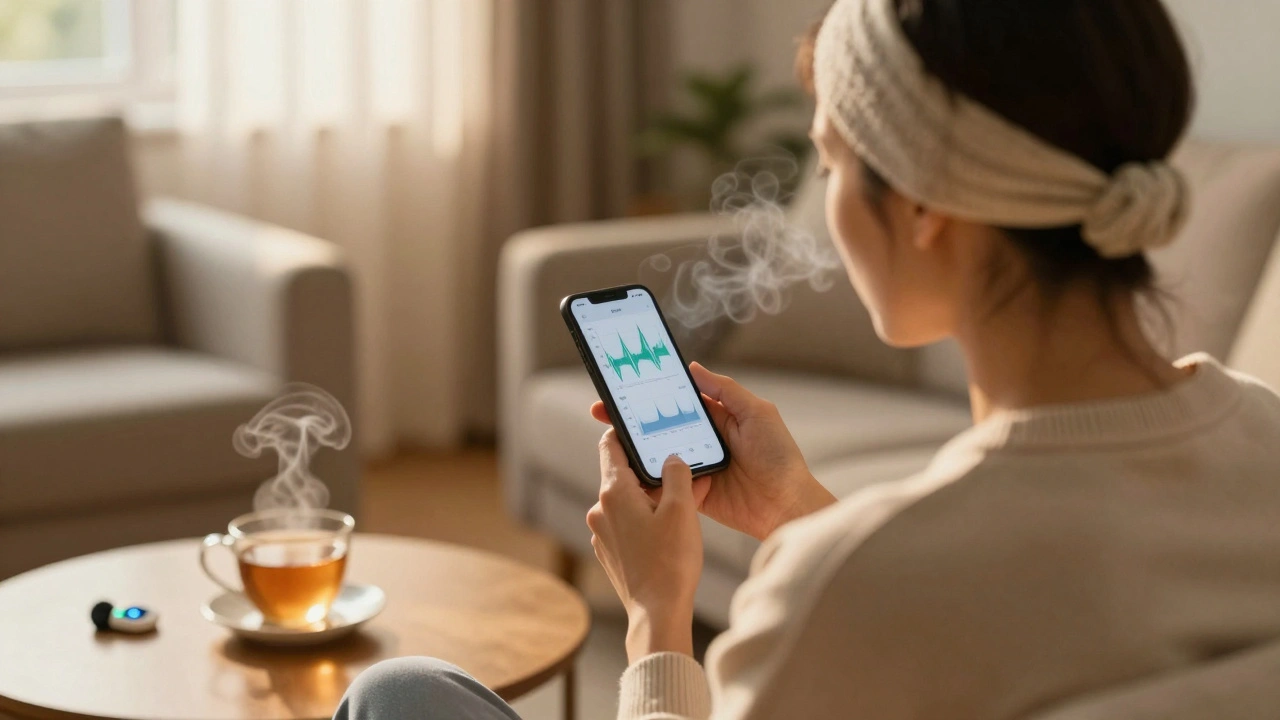
For example, if you’re stressed, your muscles tighten, your heart races, and your hands get cold. Most people don’t even notice these changes until they feel a headache or panic attack coming. Biofeedback makes the invisible visible. A small device might show your heart rate on a screen, or play a soothing sound that slows down when your breathing deepens. You start to connect the dots: When I breathe slower, the tone gets calmer. When I tense my shoulders, the graph spikes. Over time, your brain learns to make those adjustments without the device.
It’s not magic. It’s neuroplasticity-the brain’s ability to rewire itself based on experience. Studies from the American Psychological Association show biofeedback is as effective as medication for reducing migraine frequency and more effective than placebo for managing chronic tension headaches. The U.S. Department of Veterans Affairs has used it for over 20 years to help soldiers with PTSD manage hyperarousal without relying on opioids.
How It Works: The Four Main Types
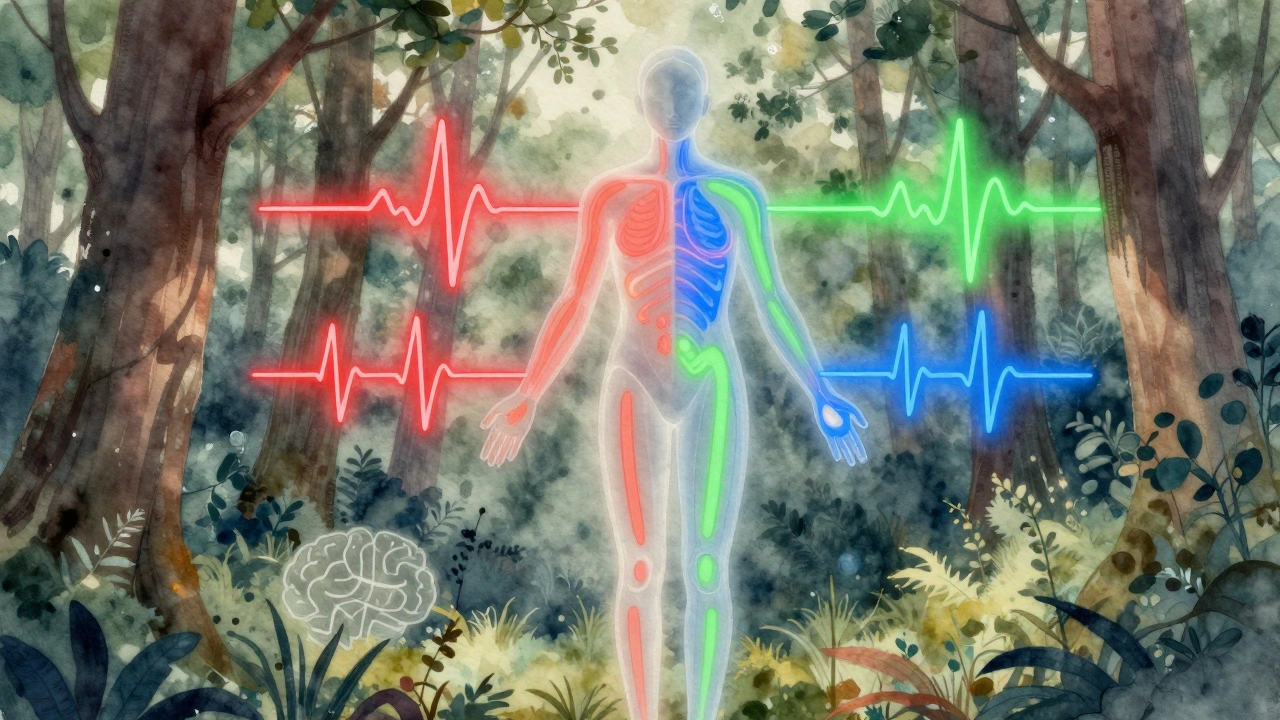
Not all biofeedback is the same. There are four main types, each targeting a different system in your body:
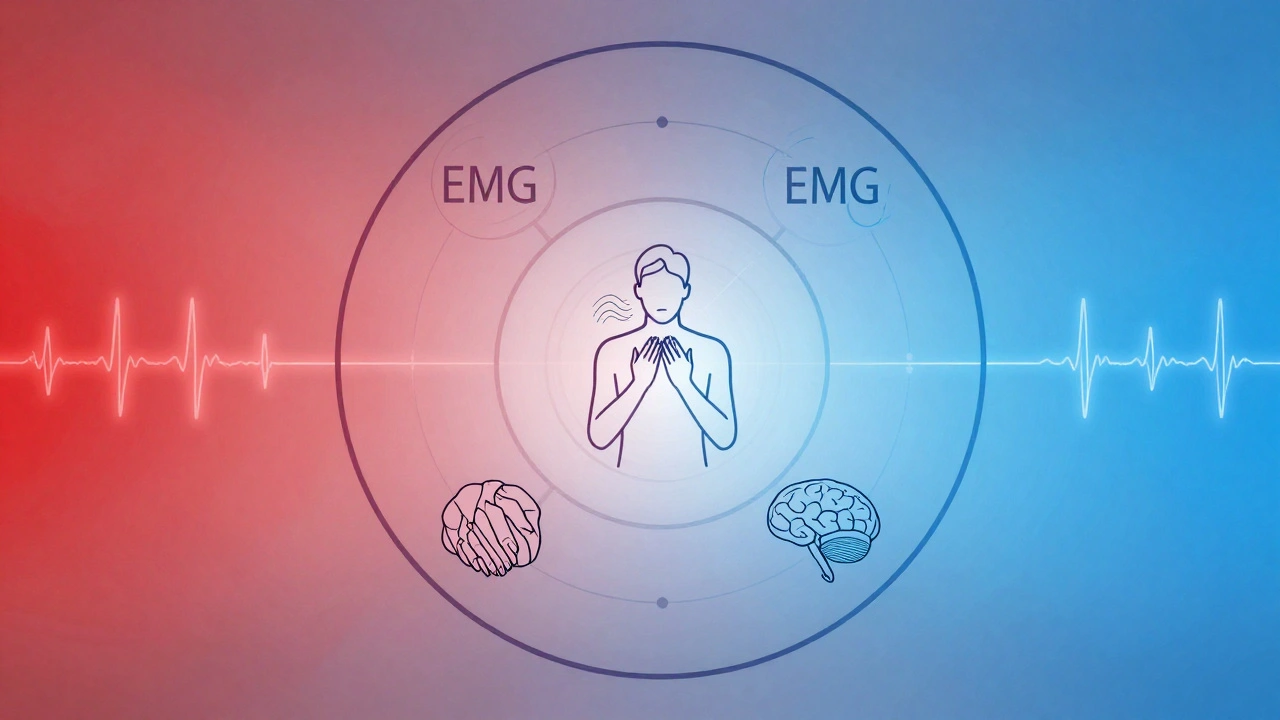
- Electromyography (EMG) biofeedback measures muscle tension. Sensors on your forehead, neck, or shoulders detect when you’re clenching without realizing it. Useful for people with jaw pain, tension headaches, or anxiety-induced muscle tightness.
- Thermal biofeedback tracks skin temperature, usually on your fingers. When you’re stressed, blood flows away from your extremities, making your hands cold. Learning to warm them up signals your body to relax. This is especially helpful for people with Raynaud’s syndrome or anxiety.
- Heart rate variability (HRV) biofeedback measures the tiny changes between heartbeats. High HRV means your nervous system is flexible and resilient. Low HRV is linked to chronic stress, depression, and heart disease. Training HRV helps you shift from fight-or-flight to rest-and-digest mode.
- Neurofeedback (EEG biofeedback) monitors brainwave patterns. It’s often used for ADHD, insomnia, and PTSD. For example, if your brain is stuck in high-beta waves (associated with racing thoughts), neurofeedback trains it to produce more alpha waves (calm, focused states).
You don’t need to try them all. Most people start with one based on their biggest issue. If you’re always tense, go for EMG. If you’re always anxious and your hands are cold, try thermal. If you feel overwhelmed and can’t quiet your mind, HRV is your best bet.
Real-World Results: Who Benefits Most?
Biofeedback isn’t a cure-all, but it works surprisingly well for specific groups:
- People with chronic pain: A 2023 meta-analysis in Frontiers in Neurology found that EMG biofeedback reduced chronic lower back pain by 40% over 12 weeks-comparable to physical therapy but with no side effects.
- High-performing professionals: CEOs, surgeons, and pilots use HRV biofeedback to stay calm under pressure. One study of corporate executives showed a 32% drop in cortisol levels after 8 weeks of daily HRV training.
- Students and test-takers: Students using biofeedback before exams reported 50% less test anxiety and scored 15% higher on average in controlled trials.
- Parents of children with ADHD: Neurofeedback has been shown to reduce inattention and impulsivity as effectively as stimulant medication, without the risk of dependency or appetite loss.
The common thread? Everyone using biofeedback had one thing in common: they were tired of waiting for symptoms to go away. They wanted to take action-not just manage, but improve.
Getting Started: Tools You Can Use Today
You don’t need a $5,000 clinic setup. Affordable, FDA-cleared devices are now available for home use:
- HeartMath Inner Balance: A Bluetooth sensor that clips to your ear and connects to a phone app. It gives you real-time HRV feedback through a breathing pacer. Works in under 5 minutes a day.
- Therapy Pro EMG Sensor: A small pad you stick to your forehead or forearm. The app shows muscle tension levels and guides you through relaxation exercises.
- NeuroSky MindWave: A lightweight headband that reads brainwaves. Great for beginners interested in neurofeedback. The free app includes guided sessions for focus and calm.
Most of these cost between $80 and $150. Many come with 30-day free trials. You can test one before committing.
Here’s how to start:
- Choose one device based on your main issue (stress? tension? racing mind?).
- Use it for 10 minutes a day, at the same time-morning or before bed works best.
- Don’t try to force results. Just notice what happens when you breathe slower or relax your shoulders.
- After 7-10 days, you’ll start seeing patterns. Maybe your HRV improves after a walk. Maybe your muscle tension drops after listening to music.
- Once you recognize the triggers and responses, try doing it without the device. Can you still calm your heart rate just by breathing?
Consistency matters more than duration. Five minutes daily beats 30 minutes once a week.
What Biofeedback Can’t Do
It’s important to set realistic expectations. Biofeedback won’t:
- Replace medical treatment for serious conditions like epilepsy, heart failure, or clinical depression.
- Work overnight. It takes weeks to retrain your nervous system.
- Fix your life. It won’t solve your job stress or toxic relationships-but it can give you the calm to handle them better.
Biofeedback is a tool, not a miracle. Think of it like strength training for your nervous system. You don’t lift weights once and become an athlete. You show up, do the reps, and gradually get stronger.
Why This Works When Meditation Doesn’t
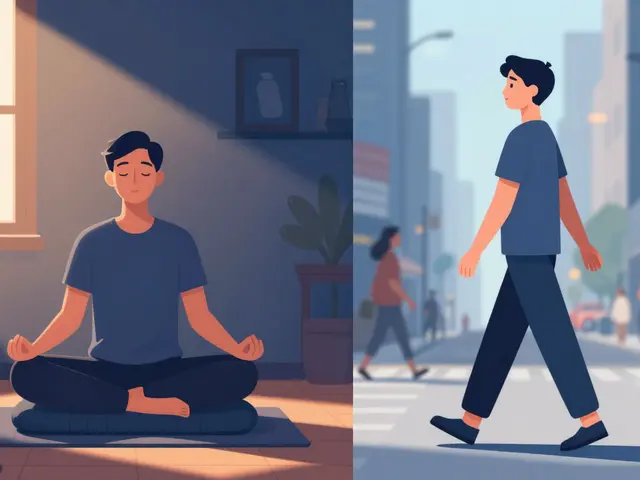
Many people try meditation and give up because they feel like they’re “failing.” They think, “My mind won’t quiet down-I’m doing it wrong.” Biofeedback changes that. It gives you objective proof that you’re making progress-even when your thoughts are loud.
With biofeedback, you’re not trying to stop thinking. You’re learning to notice your body’s signals and gently guide them. It’s less about control and more about awareness. That’s why it’s so effective for people who struggle with traditional mindfulness.
One woman I spoke with, a nurse working 12-hour shifts, said: “I tried meditation for a year. I felt like a failure. Then I tried HRV biofeedback. On day three, I saw my heart rate drop just by thinking about my daughter’s laugh. That’s when I knew-I wasn’t broken. I just needed a map.”
Building Long-Term Resilience
The real power of biofeedback isn’t in the device-it’s in the awareness you build. After a few weeks, you start noticing tension in your shoulders before you feel the headache. You catch your breathing getting shallow before the panic hits. You recognize the signs of burnout before you crash.
That’s self-regulation. And it’s the foundation of lasting mental and physical health.
You don’t need to be perfect. You don’t need to meditate for an hour. You just need to notice. And then, slowly, you start choosing how you respond.
That’s how potential is unleashed-not through force, but through awareness.
Can biofeedback help with anxiety?
Yes. Biofeedback, especially heart rate variability (HRV) and electromyography (EMG), is clinically proven to reduce anxiety symptoms. By showing real-time feedback of your body’s stress responses, it trains your nervous system to shift out of fight-or-flight mode. Studies show a 30-50% reduction in anxiety levels after 6-8 weeks of consistent use.
Do I need a doctor’s prescription for biofeedback devices?
No. Most consumer-grade biofeedback devices like HeartMath, NeuroSky, and Therapy Pro are FDA-cleared for over-the-counter use. You don’t need a prescription. However, if you have a diagnosed medical condition like epilepsy or heart arrhythmia, consult your doctor before using neurofeedback or HRV devices.
How long until I see results from biofeedback?
Most people notice small changes within 3-7 days-like feeling less tense or breathing deeper without trying. Meaningful improvements, like fewer headaches or better sleep, usually appear after 2-4 weeks of daily 10-minute sessions. Long-term results require consistency, not intensity.
Is biofeedback the same as meditation?
No. Meditation focuses on quieting the mind through attention and breath. Biofeedback focuses on training the body by giving you real-time data about physiological signals. Many people use both: biofeedback to build awareness, meditation to deepen calm. But biofeedback works for people who find meditation too abstract or frustrating.
Are biofeedback devices safe?
Yes. Consumer biofeedback devices use non-invasive sensors that only read signals-they don’t send electricity or stimulation into your body. Devices like HeartMath and NeuroSky are FDA-cleared and have been tested for safety. Always follow the manufacturer’s instructions and avoid using them if you have a pacemaker or other implanted electronic device.
If you’re tired of reacting to stress instead of managing it, biofeedback gives you a way to take back control-one breath, one heartbeat, one moment at a time.