

Most of us treat our bank accounts with more respect than our bodies. We diversify stocks, max out retirement contributions, and agonize over interest rates. Yet, when it comes to what we eat, we often settle for convenience, speed, or whatever looks good on social media. It’s time to flip that script. A healthy diet isn’t just about fitting into last year’s jeans; it is the single most effective financial and biological investment you can make for your future self.
Think of your body as a high-performance vehicle. If you fill a Ferrari with low-grade sludge, it might run for a while, but the engine will seize up prematurely, leading to costly repairs-or worse, total breakdown. Nutrition works the same way. The food you consume today dictates how your cells function, how your brain processes information, and how resilient you are against disease ten, twenty, or thirty years from now.
The Economic Case for Eating Well
Let’s talk numbers, because money speaks a universal language. The cost of poor dietary habits is staggering. According to data from the Centers for Disease Control and Prevention (CDC), chronic diseases linked to poor nutrition-such as type 2 diabetes, heart disease, and certain cancers-are among the leading causes of death and disability in the United States. These conditions don’t just shorten life expectancy; they drain wallets through medical bills, prescription drugs, and lost wages due to illness.
Consider the alternative. Investing in whole foods like vegetables, fruits, lean proteins, and whole grains may seem expensive at the grocery store checkout compared to processed snacks. However, when you factor in the lifetime savings from reduced healthcare costs, the return on investment is massive. Preventive nutrition acts as an insurance policy that pays dividends in vitality rather than cash. You avoid the co-pays, the hospital stays, and the productivity losses associated with managing preventable chronic conditions.
| Factor | Processed/Diet-Poor | Whole Food/Healthy Diet |
|---|---|---|
| Immediate Grocery Cost | Lower per calorie | Higher per nutrient |
| Long-Term Healthcare Costs | High (chronic disease management) | Low (preventive care only) |
| Energy Levels & Productivity | Fluctuating (crashes common) | Stable and sustained |
| Cognitive Decline Risk | Elevated | Reduced |
Biological Capital: Building Cellular Resilience
Your body is constantly repairing itself. Every cell in your body is replaced over time, and the raw materials for this reconstruction come directly from your plate. When you consume nutrient-dense foods, you provide your body with the essential building blocks it needs to maintain integrity and function efficiently.
Take inflammation, for example. Chronic low-grade inflammation is the root cause of many age-related diseases, including arthritis, Alzheimer's, and cardiovascular issues. Diets high in refined sugars, trans fats, and ultra-processed ingredients trigger inflammatory responses. In contrast, diets rich in antioxidants, omega-3 fatty acids, and fiber actively suppress inflammation. By choosing anti-inflammatory foods like leafy greens, berries, nuts, and fatty fish, you are literally investing in slower aging and better cellular health.
Gut health plays a pivotal role here too. Your gut microbiome influences everything from immune response to mood regulation. A diet lacking in fiber starves the beneficial bacteria in your gut, leading to dysbiosis-an imbalance that can compromise your entire system. Feeding your gut diverse plant-based foods ensures a robust microbial ecosystem, which serves as a first line of defense against pathogens and supports optimal nutrient absorption.
Mental Clarity and Emotional Stability
We often separate physical health from mental well-being, but the gut-brain axis proves they are intimately connected. What you eat directly impacts your neurotransmitter production. For instance, serotonin, the "feel-good" hormone, is largely produced in the gut. If your gut is inflamed or depleted of necessary nutrients, your ability to regulate mood suffers.
People who adhere to Mediterranean-style diets or other whole-food patterns report lower rates of depression and anxiety. This isn't coincidence; it's biology. Stable blood sugar levels prevent the irritability and brain fog associated with glucose spikes and crashes. Instead of relying on caffeine and sugar for quick energy boosts, a balanced diet provides steady fuel for cognitive tasks. You think clearer, focus longer, and handle stress with greater resilience. In a world where mental fatigue is rampant, this cognitive edge is invaluable.
Sustained Energy and Physical Performance
Imagine trying to drive a car on an empty tank. That’s what running on poor nutrition feels like. Fatigue is one of the most common complaints among adults, yet it is often dismissed as a normal part of aging or busy lifestyles. In reality, chronic fatigue is frequently a symptom of nutritional deficiencies.
A healthy diet optimizes mitochondrial function-the powerhouses of your cells. When mitochondria work efficiently, you generate more ATP (adenosine triphosphate), the energy currency of the body. This translates to higher energy levels throughout the day, better recovery after exercise, and improved overall physical performance. Whether you’re an athlete pushing for personal records or a parent chasing toddlers, proper nutrition ensures you have the stamina to keep up without burning out.
Practical Steps to Invest in Your Diet
You don’t need to overhaul your life overnight to see benefits. Small, consistent changes yield significant results over time. Here’s how to start treating your diet as an investment:
- Prioritize Protein and Fiber: Include a source of protein and fiber at every meal. This combination keeps you full longer, stabilizes blood sugar, and reduces cravings for junk food.
- Reduce Ultra-Processed Foods: Aim to eat foods that look like they came from nature, not a factory. Limit items with long ingredient lists containing unrecognizable chemicals.
- Hydrate Strategically: Dehydration mimics hunger and causes fatigue. Drink water before meals and throughout the day instead of sugary beverages.
- Plan Ahead: Meal planning prevents impulse buys and ensures you have healthy options available when hunger strikes. Spend one hour each week prepping staples like chopped veggies, cooked grains, and grilled proteins.
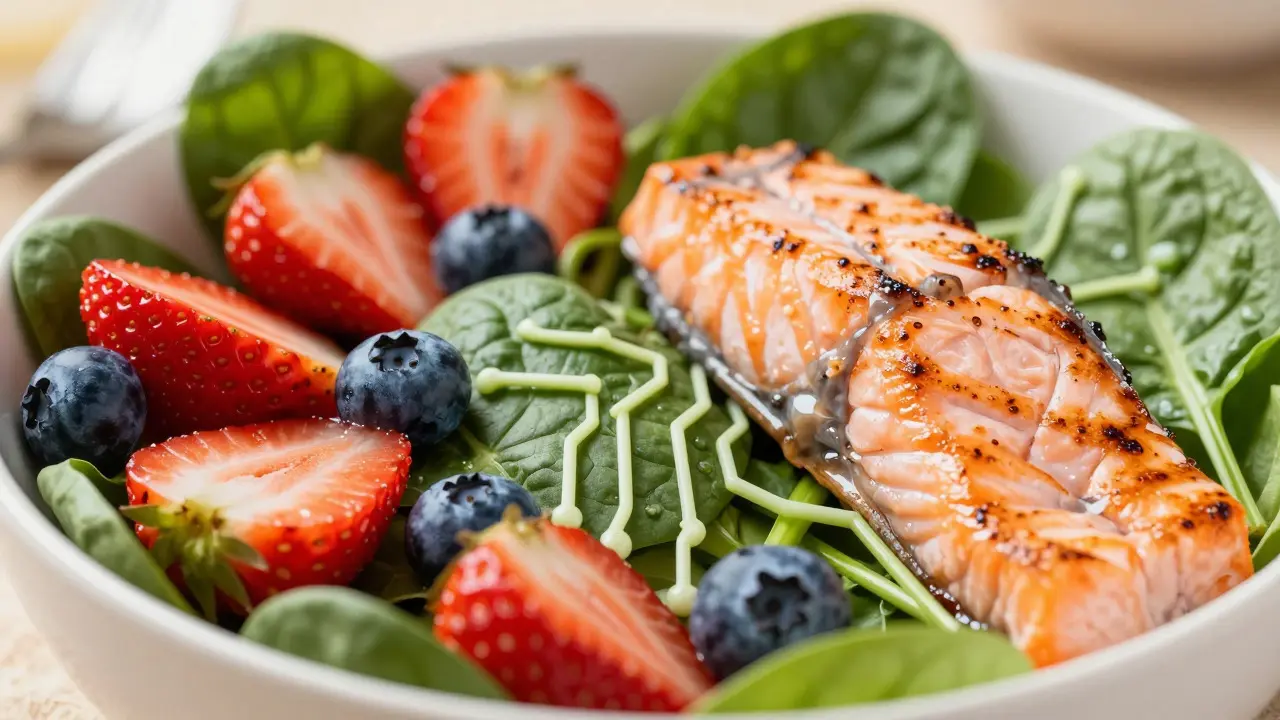
- Listen to Your Body: Pay attention to how different foods make you feel. Do you feel energized after eating salmon and spinach? Or sluggish after a heavy pasta dish? Use these cues to guide your choices.

Common Misconceptions About Healthy Eating
One barrier to adopting a healthier diet is the myth that it’s restrictive and boring. Many people believe that eating well means giving up all their favorite foods forever. This black-and-white thinking sets them up for failure. A sustainable healthy diet includes variety and enjoyment. It’s about balance, not perfection. You can still enjoy pizza occasionally; the key is making sure the majority of your intake comes from nutrient-rich sources.
Another misconception is that healthy eating is prohibitively expensive. While organic produce can carry a premium, buying seasonal fruits and vegetables, purchasing dried beans instead of canned, and cooking in bulk can significantly reduce costs. Moreover, as mentioned earlier, the long-term savings on healthcare far outweigh the initial grocery bill increase.
The Long-Term Dividend: Aging Gracefully
Ultimately, the goal of investing in your diet is to extend your healthspan-the number of years you live in good health, free from chronic disease and disability. Living longer doesn’t matter if those extra years are spent in pain or dependent on others. A nutritious diet helps preserve muscle mass, bone density, and cognitive function as you age.
Studies show that individuals who maintain healthy dietary habits throughout their lives have a lower risk of developing dementia and maintaining independence in later years. This independence is priceless. It allows you to travel, pursue hobbies, spend quality time with loved ones, and live life on your own terms. That is the true dividend of a healthy diet.
Is a healthy diet really cheaper than a poor diet?
While the upfront cost of fresh produce and lean meats can be higher than processed snacks, the long-term economic impact favors a healthy diet. Poor diets lead to chronic diseases like diabetes and heart disease, which require expensive ongoing medical treatment. By preventing these conditions, you save thousands, if not millions, in healthcare costs over your lifetime.
How quickly can I see benefits from changing my diet?
Many people notice improvements in energy levels, digestion, and mental clarity within just a few days to two weeks. More significant changes, such as weight loss, improved blood markers, and reduced inflammation, typically become apparent after several months of consistent healthy eating.
What is the best type of diet for long-term health?
There is no single "best" diet, but patterns like the Mediterranean diet, DASH diet, and plant-based diets are consistently linked to longevity and reduced disease risk. These diets emphasize whole foods, healthy fats, fiber, and limited processed ingredients. The most important factor is sustainability-choosing a pattern you can maintain for life.
Can diet reverse existing health problems?
In many cases, yes. Nutritional interventions have been shown to improve symptoms of type 2 diabetes, hypertension, and even early-stage heart disease. While severe damage may not be fully reversible, diet can significantly slow progression and improve quality of life. Always consult a healthcare provider before making major dietary changes if you have existing conditions.
Does eating healthy affect mental health?
Absolutely. The gut-brain connection means that what you eat directly influences your mood and cognitive function. Diets high in processed foods are linked to higher rates of depression and anxiety, while nutrient-dense diets support stable moods, better focus, and emotional resilience.