
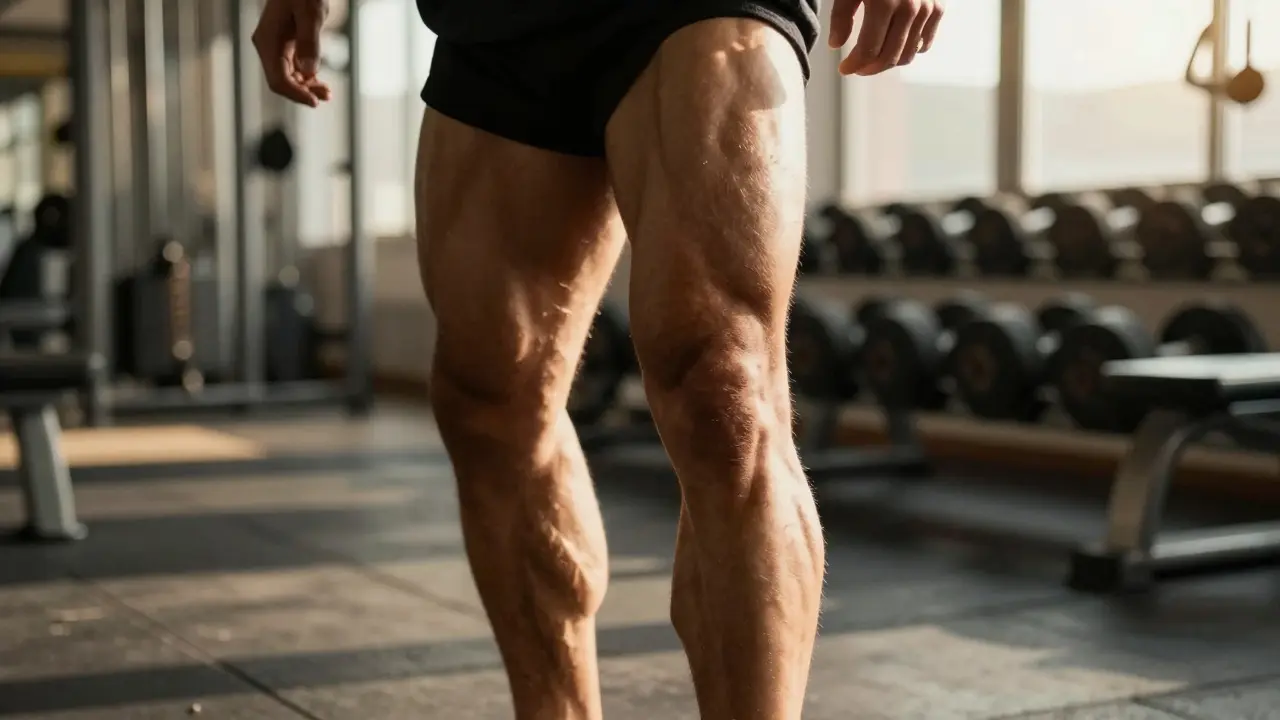
You just finished a brutal leg day. Your quads feel like they’ve been through a meat grinder, and every step down the stairs feels like a negotiation with gravity. You stretch, you ice, maybe you foam roll until your skin turns red. But deep down, that tightness remains. If you are serious about fitness, whether you are training for a marathon in Gold Coast or just trying to keep up with your gym goals in Brisbane, there is one tool you might be overlooking: sports massage.
It’s not just a luxury spa treatment reserved for Olympic athletes or celebrities recovering from jet lag. It is a functional, evidence-based intervention designed specifically for people who push their bodies. Understanding why it works-and how it differs from a standard relaxation massage-can change the way you approach recovery, injury prevention, and overall performance.
The Science Behind the Touch
To understand why sports massage is effective, we have to look at what happens inside your muscles during intense activity. When you lift heavy weights or run long distances, microscopic tears occur in your muscle fibers. This is normal; it’s how muscles grow stronger. However, this process also triggers inflammation and leads to the accumulation of metabolic waste products like lactic acid (though recent science suggests lactate clears faster than previously thought, the sensation of stiffness remains).
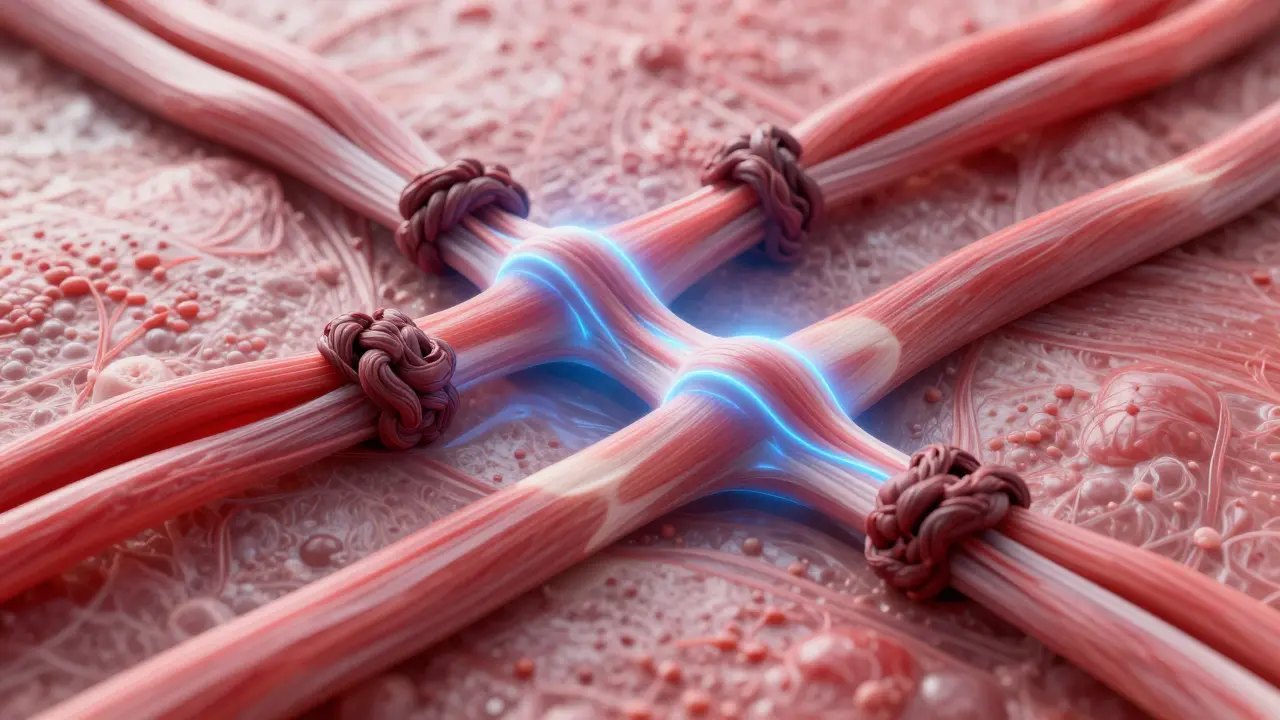
The primary mechanism here is mechanical. A skilled therapist uses hands-on pressure to break up adhesions-those sticky bands of scar tissue that form when muscles heal incorrectly or stay in a shortened position for too long. Think of it like untangling a knot in a rope. If you leave the knot there, the rope doesn’t move freely. In your body, restricted movement leads to compensation patterns, which eventually lead to injury.
Furthermore, the parasympathetic nervous system gets activated. After high-intensity training, your body is often stuck in a sympathetic state (fight or flight). Deep, rhythmic pressure signals safety to your brain, lowering cortisol levels and heart rate. This shift is crucial because repair and growth happen when you are relaxed, not stressed.
Prehabilitation: Stopping Injury Before It Starts
Most people think of massage as reactive-you get hurt, so you get massaged. But the real power of sports massage lies in prehabilitation. Regular maintenance sessions can identify tight spots before they become painful injuries.
Imagine you are a runner. Your IT band (iliotibial band) starts feeling tight on the outside of your knee. Ignoring it, you push through. Two weeks later, you develop IT band syndrome, sidelining you for months. With regular sports massage, a therapist would notice the tension in your hip abductors and glutes early on. They would apply targeted friction to release the fascia and give you exercises to strengthen those weak links. You stay running. You avoid the injury entirely.
- Improved Range of Motion: By releasing tight fascia, joints move more freely. Better mobility means better form, which means less strain on ligaments.
- Blood Flow Enhancement: Increased circulation delivers oxygen and nutrients to tissues while flushing out waste products. This speeds up the healing timeline significantly.
- Pain Gate Theory: The sensory input from massage competes with pain signals traveling to the brain, effectively turning down the volume on discomfort.
Post-Workout Recovery vs. Maintenance
Not all sports massages are created equal. The timing and technique depend heavily on your current status. Let’s break down the two most common scenarios.
Immediate Post-Event Recovery
If you just completed a competition or an ultra-heavy training block, your goal is restoration. Here, the massage should be lighter and slower. We are talking about effleurage (long, gliding strokes) and petrissage (kneading). The aim is to calm the nervous system and encourage lymphatic drainage to reduce swelling. Aggressive deep tissue work right after a marathon can actually increase inflammation and delay recovery. You want to soothe, not assault, the tissue.
Maintenance and Pre-Event
In contrast, if you are in the middle of a training cycle, the focus shifts to preparation. Techniques like trigger point therapy and myofascial release come into play. These methods target specific knots (trigger points) that refer pain to other areas. For example, a tight shoulder muscle might cause headaches. Releasing that specific point can eliminate the headache without touching your head.
| Feature | Sports Massage | Deep Tissue Massage | Swedish Massage |
|---|---|---|---|
| Primary Goal | Performance & Recovery | Chronic Pain Relief | Relaxation |
| Pressure Level | Variable (Light to Firm) | Firm to Very Firm | Light to Medium |
| Focus Area | Specific Muscle Groups | Deep Fascia Layers | Full Body |
| Best For | Athletes, Active Individuals | Chronic Tension, Scar Tissue | Stress Relief, Sleep Aid |
Who Really Needs Sports Massage?
You don’t need to be a professional athlete to benefit from this therapy. In fact, amateur enthusiasts often need it *more* because they lack the structured recovery protocols of pro teams. Consider these profiles:
- The Desk-Jockey Athlete: You sit for eight hours, then try to run five kilometers. Your hips are tight from sitting, and your hamstrings are overworked from running. Sports massage addresses the root cause (hip flexor tightness) rather than just the symptom (hamstring pain).
- The Weekend Warrior: You train lightly during the week but go hard on Saturdays. This inconsistency shocks your body. Regular massage helps maintain baseline flexibility so you aren’t starting from zero every weekend.
- The Chronic Overtrainer: If you feel constantly sore, fatigued, and unmotivated, you might be in a state of non-functional overreaching. Massage can help reset your nervous system and break the cycle of chronic inflammation.
Finding the Right Therapist
Not all massage therapists are trained in sports-specific techniques. When looking for a provider, check their credentials. Look for certifications in "Sports Massage" or "Remedial Massage." In Australia, for instance, ensure they are registered with relevant bodies like AMTA (Australian Massage Therapy Association) or hold a Diploma of Remedial Massage.
Ask them questions. Do they assess your posture? Do they ask about your training schedule? A good sports massage therapist acts like a detective. They shouldn’t just rub oil on your back; they should ask, "Where does it hurt when you squat?" or "How is your sleep?" The conversation is part of the treatment.
Also, consider the frequency. For active individuals, once a month is often the minimum for maintenance. During peak training periods, bi-weekly sessions might be necessary. Listen to your body. If you are constantly sore, you might need more frequent care or a review of your training load.
Combining Massage with Other Recovery Tools
Sports massage works best when integrated into a broader recovery strategy. It’s not a magic bullet that replaces everything else. Think of it as one piece of the puzzle.
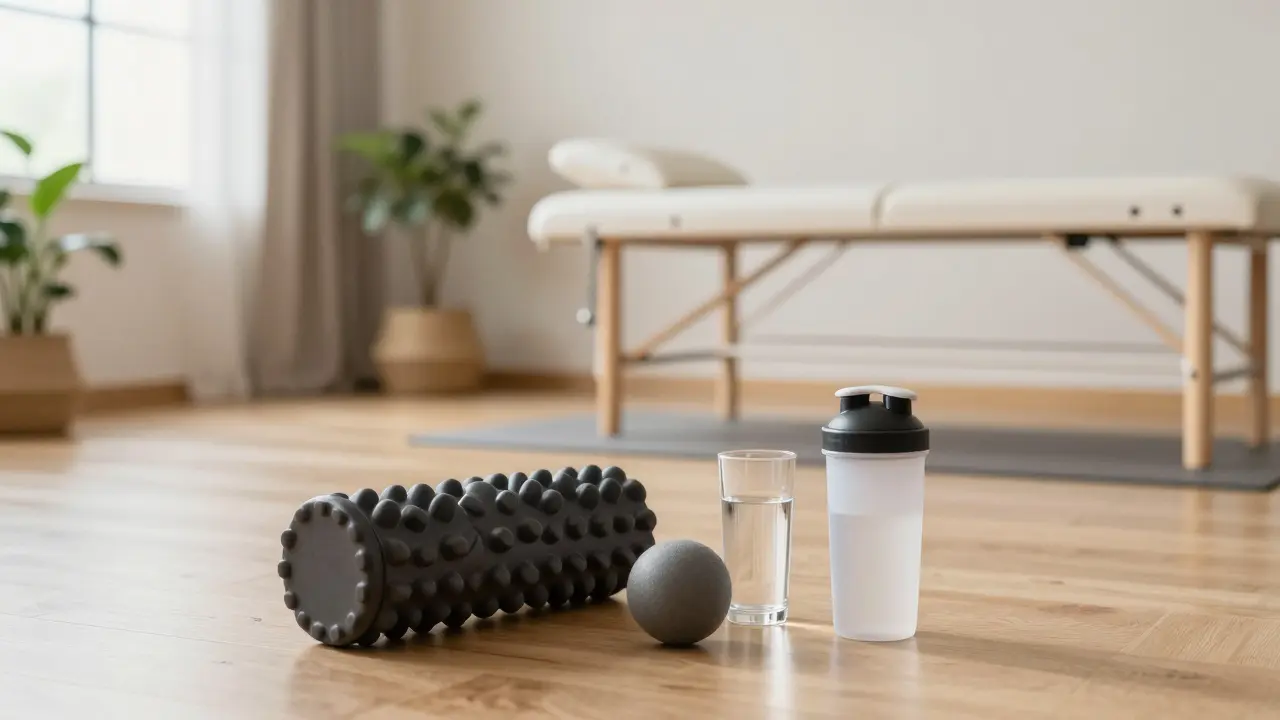
Combine it with proper hydration. Dehydrated muscles are sticky and prone to cramping. Massage helps move fluid, but you need to provide that fluid. Pair it with adequate protein intake to support the micro-tear repair process. And don’t forget sleep. Growth hormone is released during deep sleep, which is when the actual rebuilding happens. Massage prepares the body for this restorative state.
You can also use self-massage tools like foam rollers or lacrosse balls between sessions. These are great for daily maintenance but lack the precision and depth of a human hand. Use them to keep things loose, but rely on the therapist for the deep structural work.
Common Misconceptions Debunked
There are plenty of myths surrounding sports massage. Let’s clear the air.
"Massage removes lactic acid." While massage improves circulation, studies show that lactic acid clears naturally within an hour or two after exercise. Massage helps with the *sensation* of soreness (DOMS - Delayed Onset Muscle Soreness), but it doesn’t magically scrub lactate out of your blood.
"The more it hurts, the better it is." Absolutely false. Pain indicates tissue damage or nerve irritation. Good massage should feel like "good pain"-intense pressure that releases tension, not sharp, stabbing pain. If you are wincing, tell your therapist to lighten up.
"I only need it when I’m injured." As discussed, prevention is cheaper and easier than cure. Waiting until you’re hurt means you’re already behind the curve.
How often should I get a sports massage if I work out regularly?
For most active individuals, once a month is sufficient for maintenance. However, during intense training blocks or competition seasons, bi-weekly sessions may be beneficial. Listen to your body; if you experience persistent tightness or minor pains, increase the frequency temporarily.
Can sports massage help with old injuries?
Yes. Old injuries often leave behind scar tissue and adhesions that restrict movement and cause chronic pain. Sports massage techniques like cross-friction can help break down this scar tissue and restore normal tissue elasticity, improving function and reducing pain.
Is sports massage painful?
It can be intense, especially if you have significant tension or trigger points. However, it should never be excruciating. Communication with your therapist is key. They should adjust the pressure based on your feedback to ensure you are getting relief without causing new tissue damage.
What should I wear to a sports massage appointment?
Wear comfortable, loose-fitting clothing that allows easy access to the muscles being worked on. Many therapists will drape you with sheets and only expose the area being treated. You may be asked to remove socks or underwear depending on the area of focus, such as legs or lower back.
Does health insurance cover sports massage?
Coverage varies widely by provider and plan. Some private health insurance policies in Australia offer rebates for remedial massage if prescribed by a doctor or physiotherapist. Check with your insurer beforehand to see if sports massage falls under your coverage criteria.