
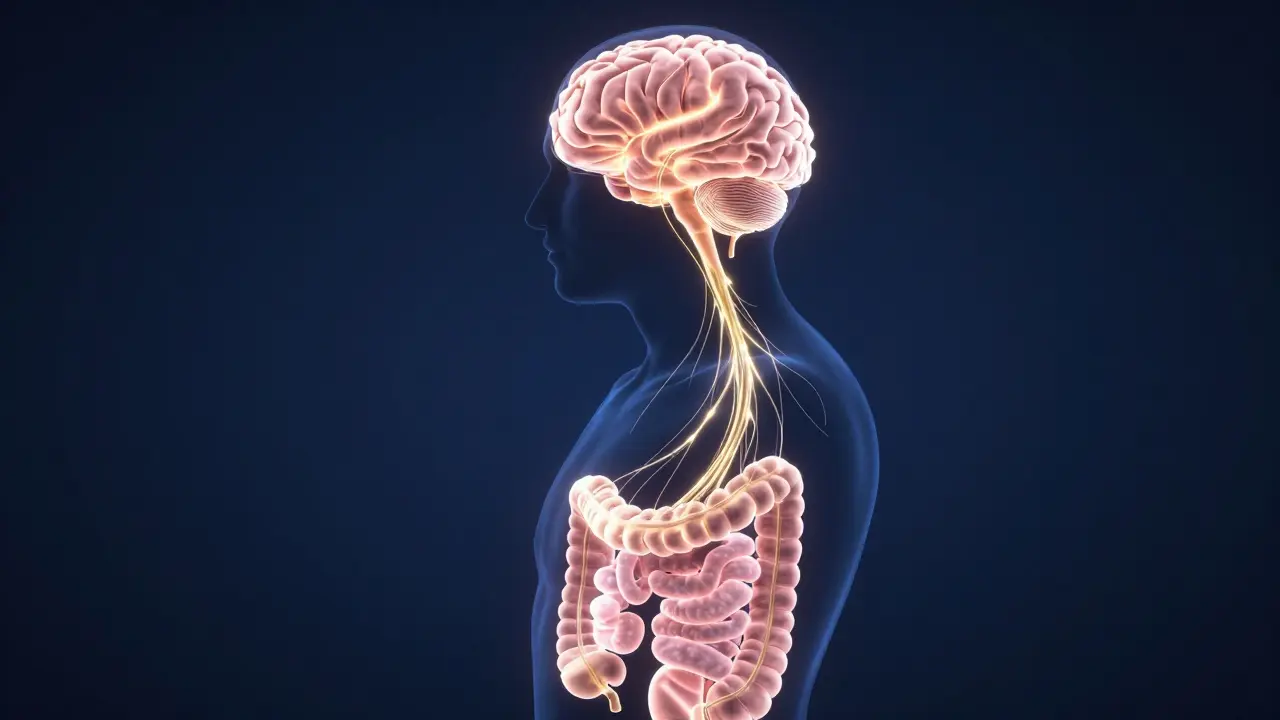
The Secret Connection Between Your Belly and Your Brain
Ever get "butterflies" in your stomach before a big presentation or feel a knot in your gut when you're stressed? That's not just a figure of speech. Your digestive system and your brain are essentially in a constant, high-speed group chat. If your gut is unhappy, your mood and energy levels usually take a dive right along with it. We used to think the brain was the sole boss of our emotions, but science now shows that the gut is more like a co-CEO.
When we talk about gut health is the functional state of the gastrointestinal tract, specifically the balance of microorganisms in the gut microbiome, we aren't just talking about avoiding bloating. We're talking about a complex ecosystem that regulates everything from how you wake up in the morning to how you handle a stressful day at work. If this system is out of whack, you might feel an inexplicable sense of brain fog or a sudden drop in motivation that no amount of caffeine can fix.
The Gut-Brain Axis: A Two-Way Street
To understand why your mood fluctuates based on what you eat, you need to know about the Gut-Brain Axis. This is the bidirectional communication network that links the enteric nervous system (the "brain in your gut") and the central nervous system. They communicate through several pathways, including the Vagus Nerve, which acts like a massive fiber-optic cable sending signals from your abdomen directly to your brain stem.
Here is the wild part: a huge chunk of your "feel-good" chemicals are actually made in your gut. For instance, Serotonin, the neurotransmitter responsible for stabilizing mood and promoting feelings of well-being, is produced mostly in the gut. In fact, roughly 90% to 95% of the body's serotonin is found in the gastrointestinal tract, not the brain. When your gut lining is inflamed or your bacteria are imbalanced, the production of these chemicals glitches, leaving you feeling irritable, anxious, or just "off."
How the Microbiome Steals Your Energy
If you're hitting a wall at 3 PM every day, the culprit might not be your sleep schedule-it might be your Microbiome. This collection of trillions of bacteria, fungi, and viruses lives in your large intestine and plays a critical role in extracting energy from your food. When you have a diverse set of beneficial bacteria, your body absorbs nutrients efficiently.
However, when "bad" bacteria take over-a state often called Dysbiosis-they can create metabolic byproducts that cause systemic inflammation. This inflammation signals the brain to trigger a "sickness behavior" response. You don't feel like you have a flu, but you feel fatigued, lethargic, and mentally drained. It's like your body is diverting all its energy to fight a phantom war in your intestines, leaving nothing left for your actual life.
| Gut State | Common Physical Symptoms | Mood & Energy Outcome |
|---|---|---|
| Balanced (Eubiosis) | Regular digestion, low bloating | Stable mood, sustained mental clarity |
| Imbalanced (Dysbiosis) | Gas, irregular bowel movements | Irritability, brain fog, fatigue |
| Leaky Gut (Permeability) | Food sensitivities, inflammation | Anxiety, chronic lethargy, mood swings |
The Role of Inflammation and the Blood-Brain Barrier
When the lining of your gut becomes too permeable-a condition often referred to as "leaky gut"-particles that should stay in the digestive tract leak into the bloodstream. Your immune system sees these intruders and goes into overdrive, releasing pro-inflammatory cytokines. These molecules can cross the blood-brain barrier and affect the brain's chemistry.
This process often leads to what researchers call "neuroinflammation." When the brain is inflamed, it can lead to a drop in dopamine levels, which are essential for drive and reward. This is why people with chronic digestive issues often struggle with depression or a lack of motivation. It's not "all in your head"; it's a physical reaction to a chemical leak in your gut.
Eating for Your Mind: Probiotics and Prebiotics
You can actually shift your mood by changing what you put on your plate. The goal is to feed the bacteria that produce those helpful neurotransmitters. This involves two main components: Probiotics and Prebiotics.
Probiotics are live beneficial bacteria found in fermented foods. Think of them as "reinforcements" for your gut army. Foods like Kefir, sauerkraut, kimchi, and kombucha introduce healthy strains that can help lower cortisol levels and reduce anxiety. On the other hand, prebiotics are the fuel these bacteria eat. They are essentially non-digestible fibers found in garlic, onions, bananas, and asparagus. Without prebiotics, your expensive probiotic supplement is like buying a fancy car with no gas.
A great real-world example is the "Mediterranean diet." It isn't just about heart health; it's a gut-health powerhouse. By focusing on high fiber, olive oil, and fermented dairy, it fosters a microbiome that is linked to lower rates of depression. If you swap a sugary processed snack for a handful of almonds and a piece of fruit, you're not just saving calories-you're stabilizing your mood for the next three hours.
Practical Steps to Reset Your Gut-Brain Connection
Changing your gastro health doesn't happen overnight, but small, consistent shifts make a massive difference. Start by focusing on diversity. The more types of plants you eat, the more diverse your microbiome becomes, and a diverse microbiome is a resilient one.
- Prioritize Fiber: Aim for 30 different plant types per week. This sounds like a lot, but mixing seeds, nuts, different colored peppers, and grains makes it easy.
- Cut the Ultra-Processed Sugars: Refined sugar feeds the "bad" bacteria and yeast (like Candida), which can lead to sugar crashes and mood swings.
- Manage Your Stress: Remember that the communication is two-way. Chronic stress can actually change the composition of your gut bacteria, making you more prone to digestive issues.
- Hydrate Properly: Water is essential for the mucosal lining of the intestines. Without it, the gut lining thins, increasing the risk of inflammation.
Common Pitfalls to Avoid
Many people make the mistake of jumping straight into high-dose probiotics or massive amounts of fiber without transitioning. If your gut isn't used to it, this can cause temporary bloating and gas, leading people to believe the food is "making them sick." The key is a slow ramp-up. Start with one tablespoon of sauerkraut or a small serving of legumes and gradually increase as your microbiome adapts.
Another trap is relying solely on supplements. While a high-quality probiotic can help, it can't replace a whole-food diet. Supplements are a support system, not the foundation. Focus on the food first, then the lifestyle, and use supplements as a final touch.
Can gut health really cause anxiety?
Yes. Because the gut produces so much of the body's serotonin and communicates directly with the brain via the vagus nerve, an imbalance in gut bacteria (dysbiosis) can trigger anxiety signals. When the gut is inflamed, it can send distress signals to the brain that manifest as a feeling of panic or unease, even if there is no external stressor.
Which foods are best for increasing energy levels via the gut?
Focus on a mix of prebiotic fibers (like oats, garlic, and artichokes) and probiotic-rich fermented foods (like Greek yogurt, kimchi, and miso). These support a healthy microbiome that absorbs nutrients more efficiently and reduces the systemic inflammation that causes fatigue.
How long does it take to feel the effects of a gut-health diet?
While some people notice a change in bloating or digestion within a few days, the shift in mood and mental energy usually takes 2 to 4 weeks. This is because the microbiome needs time to reorganize and the gut lining needs time to heal from inflammation.
Is a "leaky gut" a real medical condition?
In medical terms, it's called increased intestinal permeability. It happens when the tight junctions in the gut wall loosen, allowing toxins and food particles to leak into the bloodstream. This can trigger an immune response that leads to systemic inflammation, which is strongly linked to brain fog and lethargy.
Can stress actually damage my gut bacteria?
Absolutely. The gut-brain axis works both ways. When you are under chronic stress, your body releases cortisol, which can increase gut permeability and change the types of bacteria that thrive in your microbiome. This creates a vicious cycle where stress ruins your gut, and a ruined gut makes you more susceptible to stress.