
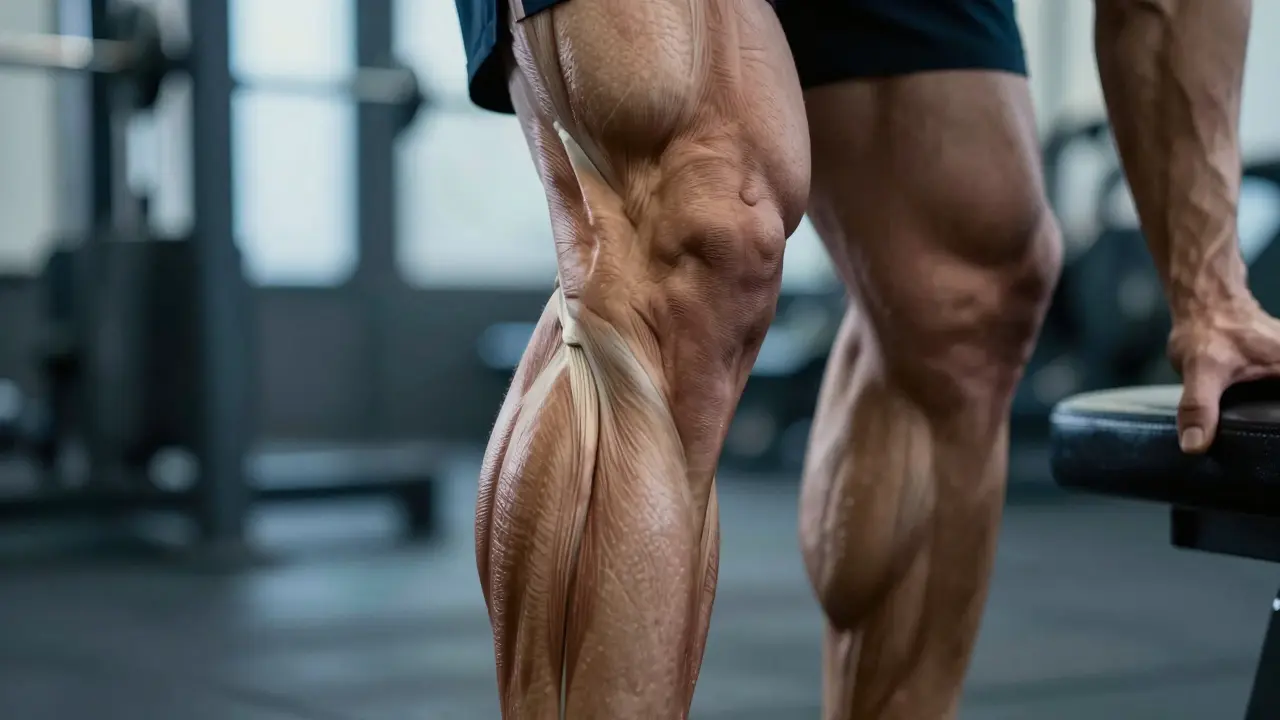
You’ve just finished a grueling interval session or crushed your personal best in the marathon. Your legs feel like lead, your shoulders are tight knots of stress, and you’re wondering how to bounce back faster. This is where sports massage is a specialized form of bodywork designed specifically for athletes who participate in sports. Unlike a relaxing spa treatment that aims to melt your worries away, this therapy targets specific muscles used in your sport. It’s not just about feeling good; it’s about performing better and staying on the field.
Many amateur athletes treat their bodies like rental cars-driving them hard and hoping nothing breaks. But professional athletes know that maintenance is non-negotiable. Whether you’re a weekend warrior playing soccer or a competitive swimmer training for nationals, understanding how manual therapy impacts your physiology can change your game. Let’s look at why this practice is no longer just for Olympians but a crucial tool for anyone serious about movement.
What Exactly Is Sports Massage?
Sports massage differs from Swedish massage in both technique and intent. While Swedish massage focuses on general relaxation and circulation through long, gliding strokes, sports massage is more aggressive and targeted. A therapist might use deep friction, compression, and stretching techniques to address specific areas of tension. Think of it as tuning an instrument. You don’t tune every string equally; you focus on the ones that are out of key to restore harmony.
The goal isn’t necessarily comfort during the session-in fact, it can be quite uncomfortable. The objective is functional improvement. By manipulating the fascia, which is the connective tissue that surrounds muscles, bones, and organs, therapists help release restrictions that limit your range of motion. If your fascia is sticky or bound down, your muscles can’t slide smoothly against each other, leading to inefficient movement patterns and increased risk of strain.
This type of therapy is often categorized into three phases based on timing: pre-event, post-event, and maintenance. Each phase has distinct goals and techniques. Pre-event sessions are short and stimulating to prepare the nervous system. Post-event sessions aim to reduce lactic acid buildup and calm the body. Maintenance sessions occur regularly during training cycles to prevent injuries before they happen.
The Science Behind the Touch
It’s easy to dismiss massage as just "feeling nice," but there’s solid physiological evidence supporting its benefits. One of the primary mechanisms is the reduction of muscle hypertonicity, which refers to excessive muscle tension or stiffness. When muscles are constantly contracted, blood flow decreases, and waste products like lactate accumulate. Deep pressure helps physically break up adhesions (knots) in the muscle fibers, allowing fresh, oxygenated blood to flow back into the area.
Research published in the Journal of Strength and Conditioning Research suggests that massage can significantly reduce inflammation markers in the blood after intense exercise. In one study involving cyclists, those who received massage within two hours of completing a high-intensity ride showed lower levels of interleukin-6, a protein associated with inflammation, compared to those who rested passively. This means your body recovers faster, allowing you to train harder sooner.
Another critical factor is the parasympathetic nervous system response. Intense training keeps your sympathetic nervous system (fight or flight) activated. Massage triggers the parasympathetic system (rest and digest), lowering cortisol levels and heart rate. For athletes, this shift is vital. Chronic stress impedes recovery, so giving your nervous system a brake pedal allows your muscles to repair and grow stronger.
Timing Matters: Pre-, Post-, and Maintenance
Not all sports massages are created equal. The timing of the session dictates the approach. Using the wrong type of massage at the wrong time can actually hinder performance. Here is how to navigate the three main types:
- Pre-Event Massage: This should happen 15 to 45 minutes before competition. It is light, brisk, and energizing. The goal is to increase blood flow and mental focus without causing fatigue. Avoid deep tissue work here, as it can leave muscles tender and sluggish when you need them to explode with power.
- Post-Event Massage: Ideally performed within two hours of finishing, this session helps clear metabolic waste and reduces acute soreness. It is generally gentler than maintenance work, focusing on flushing out fluids and calming the nervous system. It’s not the time for aggressive knot-busting; it’s about restoration.
- Maintenance Massage: This is the bread and butter of athletic care. Scheduled weekly or bi-weekly during training blocks, these sessions target chronic issues, correct imbalances, and keep tissues pliable. This is where you address that nagging shoulder pain from repetitive overhead motions or tight hip flexors from running.
| Type | Intensity | Primary Goal | Best Timing |
|---|---|---|---|
| Pre-Event | Light/Moderate | Activation & Focus | 15-45 mins before |
| Post-Event | Moderate/Gentle | Recovery & Flush | Within 2 hours after |
| Maintenance | Deep/Variable | Injury Prevention | Weekly/Bi-weekly |
Common Misconceptions About Sports Massage
There are plenty of myths floating around gym locker rooms and social media feeds. Debunking these can help you make smarter decisions about your body care.
Myth 1: It’s only for professionals. Absolutely false. If you play tennis twice a week or run five miles daily, you are subjecting your body to repetitive stress. Amateur athletes often have worse posture and less structured recovery routines than pros, making them even more prone to overuse injuries. Investing in regular maintenance can save you thousands in physical therapy bills later.
Myth 2: More pain equals better results. Pain is not the goal. Discomfort is normal when working on tight spots, but sharp, shooting pain is a warning sign. A skilled therapist will work at a level that creates a "good hurt"-the sensation of tension releasing-not agony. If you’re bruised and limping after a session, something went wrong. Communication is key; tell your therapist if the pressure is too much.
Myth 3: It replaces stretching or strength training. Massage is a complementary tool, not a substitute. It improves tissue quality and mobility, but it doesn’t build strength or endurance. Think of it as oiling the hinges of a door. It makes the door swing easier, but it doesn’t reinforce the frame. You still need to do your squats and lunges.
How to Find the Right Therapist
Not all massage therapists are trained in sports-specific techniques. Looking for a generic license isn’t enough. You want someone who understands biomechanics and athletic demands. Look for credentials like LMT (Licensed Massage Therapist) combined with certifications in myofascial release or techniques to relieve tension in the fascia, or trigger point therapy.
Ask potential therapists about their experience with your specific sport. A therapist who works primarily with office workers may not understand the unique demands placed on a cyclist’s hips or a runner’s calves. During your first consultation, explain your training schedule, current pain points, and upcoming competitions. A good therapist will ask detailed questions and tailor the session accordingly.
Also, consider logistics. Can you get to the clinic easily? Do they offer mobile services? Consistency is crucial for maintenance massage, so convenience plays a role. If the appointment is a hassle, you’re less likely to stick with it. In Brisbane, for instance, many clinics specialize in active lifestyles and offer flexible evening hours to accommodate busy schedules.
Integrating Massage Into Your Training Plan
To maximize benefits, integrate massage into your periodization plan. During heavy training blocks, prioritize maintenance sessions to prevent breakdown. Before a major race or tournament, schedule a pre-event session. After the event, book a post-event recovery session immediately.
Don’t wait until you’re injured to seek help. Reactive care is expensive and time-consuming. Proactive care keeps you consistent. Budget for it like you budget for shoes or coaching. If cost is a barrier, start with monthly sessions and gradually increase frequency as you see results. Even one session a month can provide significant relief and awareness of your body’s needs.
Finally, listen to your body. Some days you’ll need deep work; other days, gentle stretching is enough. Trust your instincts and communicate openly with your therapist. Your body knows what it needs-you just need to learn how to interpret the signals.
How often should I get a sports massage?
For competitive athletes, once a week is ideal during peak training. For recreational athletes, every 2-4 weeks is sufficient for maintenance. Adjust based on your activity level and how your body feels.
Does sports massage help with DOMS (Delayed Onset Muscle Soreness)?
Yes, studies show that massage can reduce the severity and duration of DOMS by improving circulation and reducing inflammation. It’s most effective when done within 24-48 hours after intense exercise.
Is sports massage painful?
It can be uncomfortable, especially when addressing chronic knots, but it shouldn’t be excruciating. Pain should be manageable and productive. Communicate with your therapist to adjust pressure.
Can I get a sports massage if I’m injured?
Yes, but it must be adapted. Acute injuries may require gentle work around the affected area rather than direct pressure. Always consult with your healthcare provider first to ensure it’s safe.
What should I wear to a sports massage?
Wear loose, comfortable clothing that allows access to the areas being worked on. Many therapists provide shorts or gowns. You’ll typically lie on a table and remain draped for modesty and warmth.