Have you ever felt your heart race while sitting perfectly still? Maybe it was right before a big presentation, or perhaps it happened during a mundane Tuesday evening when the laundry pile seemed insurmountable. That sensation is your body’s alarm system firing on all cylinders. We often think of stress as an external pressure-a deadline, a noisy neighbor, or a financial worry. But true stress reduction isn't just about removing those triggers; it's about rewiring how your body responds to them.
In 2026, the definition of a "harmonious life" has shifted. It’s no longer about achieving a state of perpetual calm where nothing goes wrong. Instead, it’s about building resilience-the ability to navigate chaos without losing your center. When we ignore the biological reality of stress, we pay for it with sleepless nights, weakened immunity, and that nagging feeling of burnout. The good news? You don’t need a retreat in Bali to fix this. You need a toolkit.
The Biology of Burnout: Why Willpower Isn't Enough
To reduce stress effectively, you first have to understand what you are fighting against. Stress isn't just a mood; it's a chemical cascade. When your brain perceives a threat, the hypothalamus activates the sympathetic nervous system, triggering the release of cortisol and adrenaline. This is the famous "fight or flight" response.
In our ancestors' time, this surge helped them run from predators. Today, it keeps you awake at 3 AM worrying about an email you sent three years ago. The problem arises when this system gets stuck in the "on" position. Chronic elevation of cortisol is a steroid hormone produced by the adrenal glands that regulates metabolism and immune response but causes inflammation and anxiety when chronically elevated leads to physical wear and tear. This is why talking yourself out of stress rarely works. You can’t think your way out of a physiological reaction. You have to use physical tools to signal safety to your brain.
Immediate Reset: Regulating the Nervous System
When you feel overwhelmed, your goal is to activate the parasympathetic nervous system, also known as the rest-and-digest mode that lowers heart rate and promotes relaxation. Here are three evidence-based techniques that work within minutes.
- Box Breathing: Inhale for four seconds, hold for four, exhale for four, and hold empty for four. This rhythmic pattern stimulates the vagus nerve, which controls heart rate and digestion and acts as the main communication line between the brain and the body. It forces your body to slow down.
- Cold Water Exposure: Splash ice-cold water on your face or hold an ice cube in your hand. This triggers the "mammalian dive reflex," which instantly lowers your heart rate and redirects blood flow to vital organs, snapping you out of panic mode.
- Progressive Muscle Relaxation (PMR): Tense every muscle in your foot for five seconds, then release. Move up to your calves, thighs, and so on. By consciously tensing and releasing, you teach your body the difference between tension and relaxation.
These aren't just coping mechanisms; they are biological hacks. They provide immediate data to your brain that says, "We are safe right now."
Movement as Medicine: Beyond the Gym
We often view exercise as a chore or a means to lose weight. For stress reduction, however, movement is a metabolic reset button. Physical activity helps metabolize the excess stress hormones circulating in your blood. If you don't move, those chemicals linger, keeping you on edge.
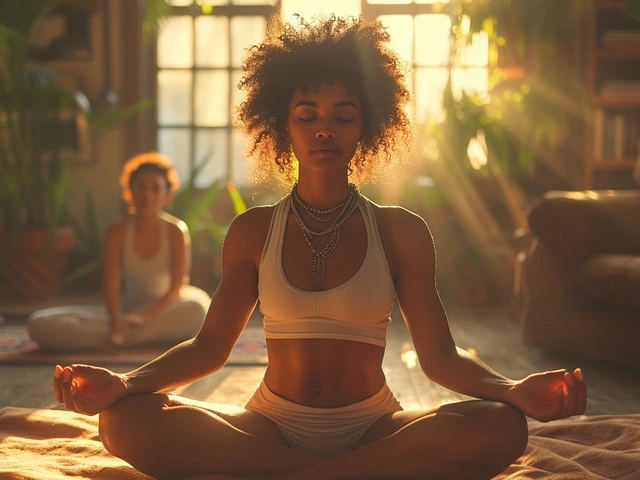
You don’t need to run a marathon. In fact, high-intensity interval training (HIIT) might add too much acute stress if you're already burned out. Instead, focus on low-impact, rhythmic movements. A brisk 20-minute walk outside, especially in green spaces, has been shown to lower cortisol levels significantly more than walking indoors. Yoga and Tai Chi combine movement with breath control, offering a dual benefit of physical release and mental grounding.
| Activity Type | Primary Benefit | Best For |
|---|---|---|
| Walking in Nature | Lowers cortisol and blood pressure | Daily maintenance and mild anxiety |
| Yoga | Improves flexibility and vagal tone | Chronic tension and stiffness |
| High-Intensity Cardio | Burns off adrenaline quickly | Acute frustration or anger |
| Tai Chi | Enhances balance and mental focus | Overthinking and racing thoughts |

The Digital Detox: Reclaiming Your Attention
In 2026, one of the biggest sources of invisible stress is digital overload. Our brains are not designed to process thousands of notifications, news updates, and social media comparisons every day. This constant barrage keeps our amygdala-the brain's fear center-in a state of hyper-vigilance.
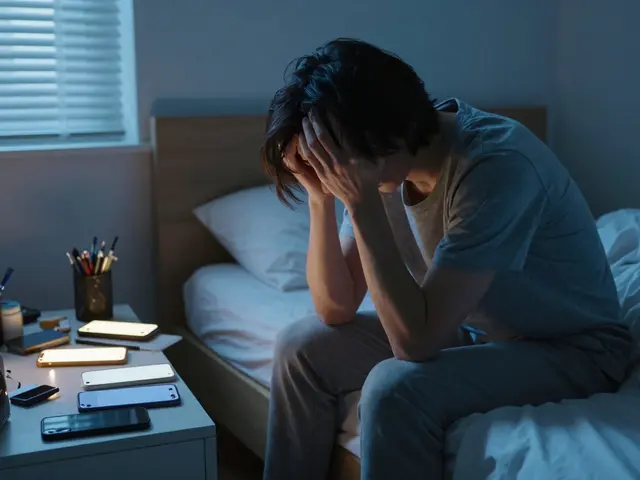
Reducing stress requires setting hard boundaries with technology. Try implementing a "no-phone zone" in your bedroom. Keep your device charging in another room overnight. This simple change improves sleep quality, which is crucial because poor sleep increases stress sensitivity the next day. Additionally, curate your digital intake. Unfollow accounts that make you feel inadequate or anxious. Replace doom-scrolling with intentional browsing or reading. Your attention is a finite resource; guard it fiercely.
Nutrition and Gut Health: The Second Brain
Your gut and your brain are connected via the gut-brain axis, a bidirectional communication network linking the emotional and cognitive functions of the brain with intestinal functions. About 95% of your serotonin, the neurotransmitter responsible for feelings of well-being, is produced in your gastrointestinal tract. If your gut is inflamed, your mood suffers.
To support stress resilience through diet:
- Reduce Sugar and Processed Foods: These cause blood sugar spikes and crashes, leading to irritability and fatigue.
- Increase Omega-3 Fatty Acids: Found in fatty fish like salmon, walnuts, and flaxseeds, these fats reduce inflammation in the brain.
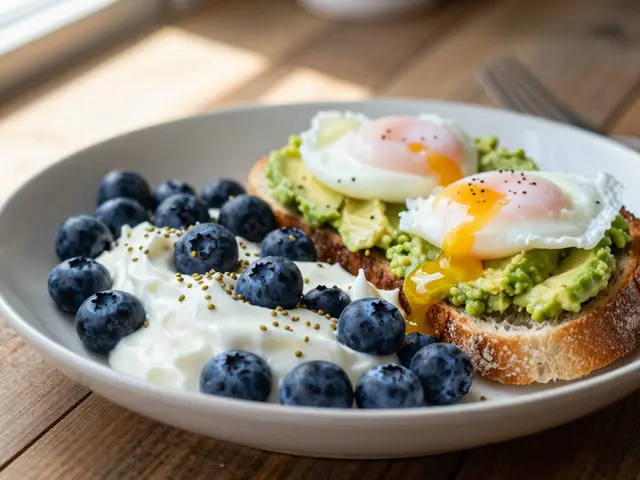
- Eat Fermented Foods: Yogurt, kefir, sauerkraut, and kimchi contain probiotics that support a healthy microbiome, which in turn supports mental health.
- Limit Caffeine: While coffee boosts energy, it also mimics the physical symptoms of anxiety (racing heart, jitters). If you're stressed, switch to herbal teas like chamomile or lemon balm in the afternoon.

Social Connection: The Antidote to Isolation
Humans are social creatures. Isolation triggers the same stress responses as physical pain. Strong social connections act as a buffer against stress. However, not all interactions are equal. Venting to a friend who only complains can increase stress. Instead, seek out "positive coregulation." This happens when you spend time with people who are calm, supportive, and present.
Laughter is a powerful stress reliever. It reduces stress hormones and increases immune cells. Make time for activities that bring you joy with others, whether it’s a game night, a hike, or simply sharing a meal without screens. Quality over quantity matters here. One deep, meaningful conversation can do more for your nervous system than hours of superficial networking.
Building a Sustainable Routine
Stress reduction isn't a one-time fix; it's a lifestyle. Start small. Pick one technique from this guide-maybe box breathing or a nightly walk-and commit to it for two weeks. Consistency beats intensity. A five-minute daily practice is far more effective than an hour-long session once a month.
Listen to your body. If you’re feeling overwhelmed, pause. Ask yourself: What do I need right now? Rest? Movement? Connection? Answering that question honestly is the first step toward a harmonious life. You have the power to change your relationship with stress. It starts with one breath, one step, one choice.
How long does it take for stress reduction techniques to work?
Immediate techniques like box breathing or cold water exposure can lower heart rate within minutes. However, long-term changes in baseline stress levels and cortisol regulation typically require consistent practice over 4 to 8 weeks. Think of it like building muscle; the results compound over time.
Can stress reduction help with chronic pain?
Yes. Stress tightens muscles and increases inflammation, both of which exacerbate pain conditions like back pain or migraines. Techniques such as progressive muscle relaxation and mindfulness meditation have been clinically proven to reduce pain perception and improve quality of life for chronic pain sufferers.
Is it better to meditate or exercise for stress?
Both are essential but serve different purposes. Exercise helps metabolize stress hormones physically, while meditation trains the brain to respond differently to stressors mentally. For optimal results, combine both: move your body daily and practice mindfulness for at least 10 minutes a day.
What foods should I avoid if I'm stressed?
Avoid high-sugar snacks, excessive caffeine, and alcohol. Sugar causes energy crashes that mimic anxiety. Caffeine can overstimulate an already stressed nervous system. Alcohol may seem relaxing initially, but it disrupts sleep architecture and increases anxiety the next day, creating a vicious cycle.
How does sleep affect stress levels?
Sleep and stress have a bidirectional relationship. Poor sleep increases cortisol production, making you more reactive to stress. Conversely, high stress makes it difficult to fall and stay asleep. Prioritizing 7-9 hours of quality sleep is one of the most effective stress reduction strategies available.