
Dance Therapy: Move Your Way to Better Mental Health
Welcome to the dance therapy hub on Chickpea Wellness Hub. Here you’ll find articles that explain why dancing isn’t just fun—it’s a proven way to lift mood, ease tension, and support overall health. From quick home routines to deeper creative arts therapy insights, everything is packed with practical advice you can try right now.
What Dance Therapy Actually Does
Dance therapy blends rhythmic movement with mindful awareness. As you sway, stretch, or improvise, your body releases endorphins, the feel‑good chemicals that naturally combat stress. At the same time, the brain gets a gentle jog, improving focus and emotional regulation. In short, the simple act of moving to music can calm anxiety, sharpen attention, and boost confidence.
Research shows that participants in regular dance‑movement sessions report lower cortisol levels and higher scores on happiness surveys. That’s why many mental‑health professionals add it to treatment plans alongside art or music therapy. The synergy of rhythm, expression, and physical activity creates a safe space to explore feelings without words.
Getting Started – Simple Steps to Try at Home
You don’t need a studio or fancy shoes to begin. Pick a song that makes you feel good—anything from upbeat pop to mellow acoustic works. Start with a five‑minute warm‑up: roll your shoulders, sway your hips, and stretch your arms. Then let the beat guide you. Move however you like—step, twist, shimmy—focus on how the motion feels rather than how it looks.
If you’re new, set a timer for ten minutes and repeat a few times a week. Gradually add new moves or longer sessions as you get comfortable. Keep a short journal to note any mood changes or physical sensations. Over time you’ll see patterns—maybe a certain rhythm lifts your spirits more, or a particular stretch eases tension in your back.
Safety matters, too. Stay within a comfortable range of motion, avoid sudden jumps if you have joint issues, and choose a clear space to prevent trips. If you have a medical condition, a quick chat with your doctor can confirm which movements are safe.
Our site also bundles dance therapy with related topics like creative arts therapies, mindfulness, and stress‑reduction techniques. Check out the article “Creative Arts Therapies for Wellness” for a broader view of how movement, art, and music work together to nurture mental health. Another read, “Stress Reduction: A New Approach to Emotional Wellness,” offers a four‑week plan that pairs breathing exercises with dance sessions for extra calm.
Want more structure? Try the “How to Make a Healthy Breakfast Smoothie” guide before your dance to fuel your body, or read “Sleep and Gut Health” to understand how rest supports the recovery you get from movement. Each piece links back to the dance therapy theme, helping you build a well‑rounded wellness routine.
Ready to dive in? Browse the tag page, pick the articles that spark your interest, and start moving today. You’ll soon notice that a few minutes of dance can turn a stressful day into a brighter one, all while strengthening body, mind, and spirit.
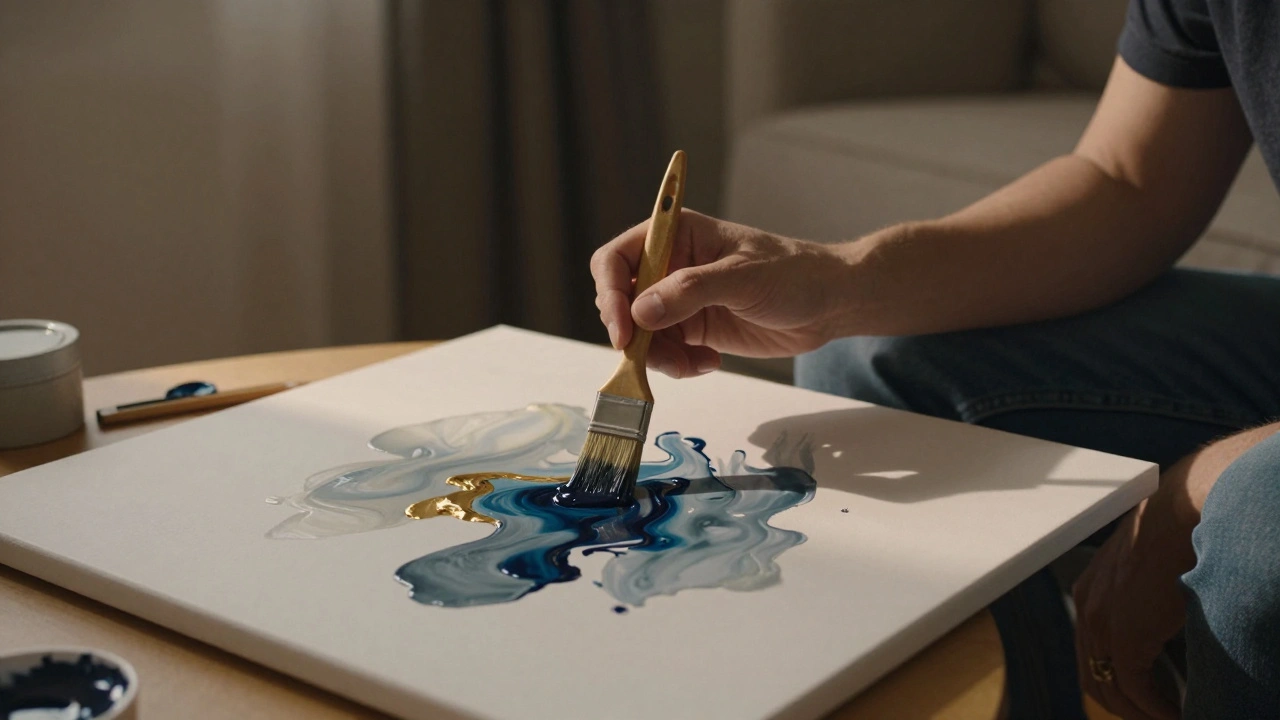
How to Get Started with Creative Arts Therapies
Dec 1 2025 / Wellness TherapiesCreative arts therapies use painting, music, dance, and writing to process emotions when words fall short. Learn how to start safely, what to expect, and where to find help in Australia.
VIEW MORE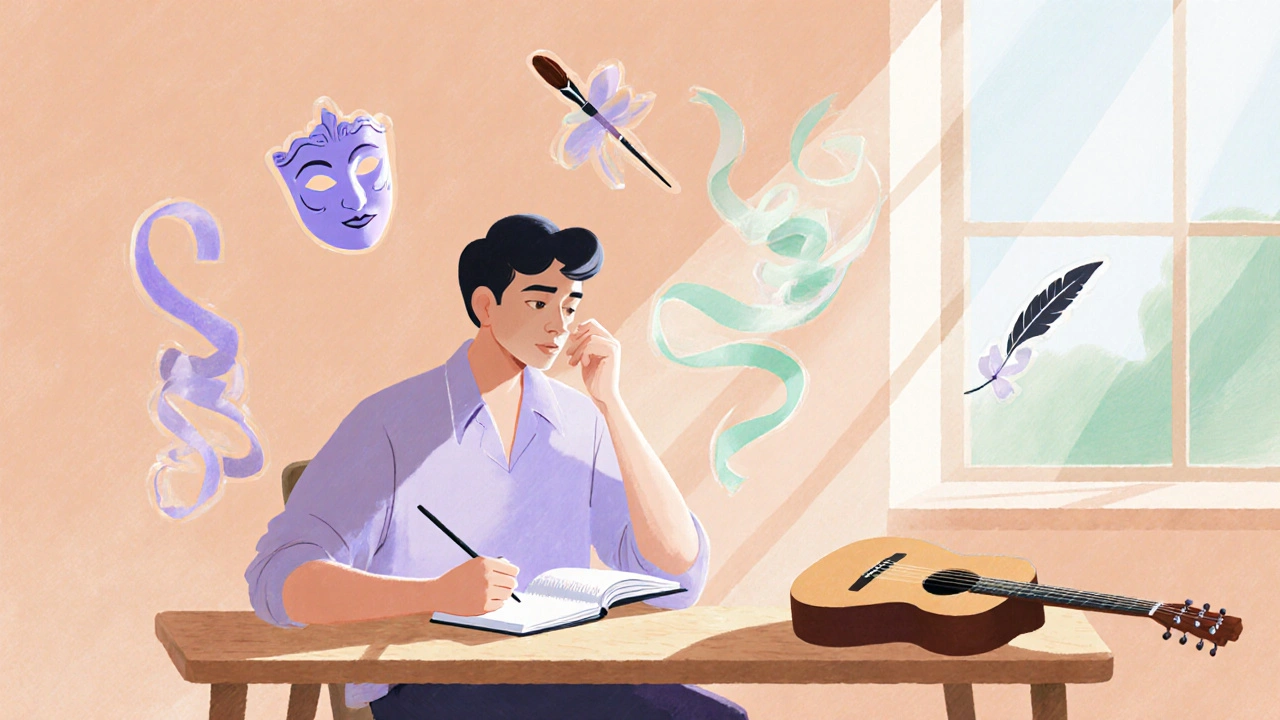
Creative Arts Therapies: Unlock Your Inner Self and Heal Through Art, Music & Dance
Oct 20 2025 / Wellness TherapiesDiscover how creative arts therapies-art, music, dance, drama, and poetry-can unlock emotional healing, boost mental health, and guide you toward personal growth.
VIEW MORE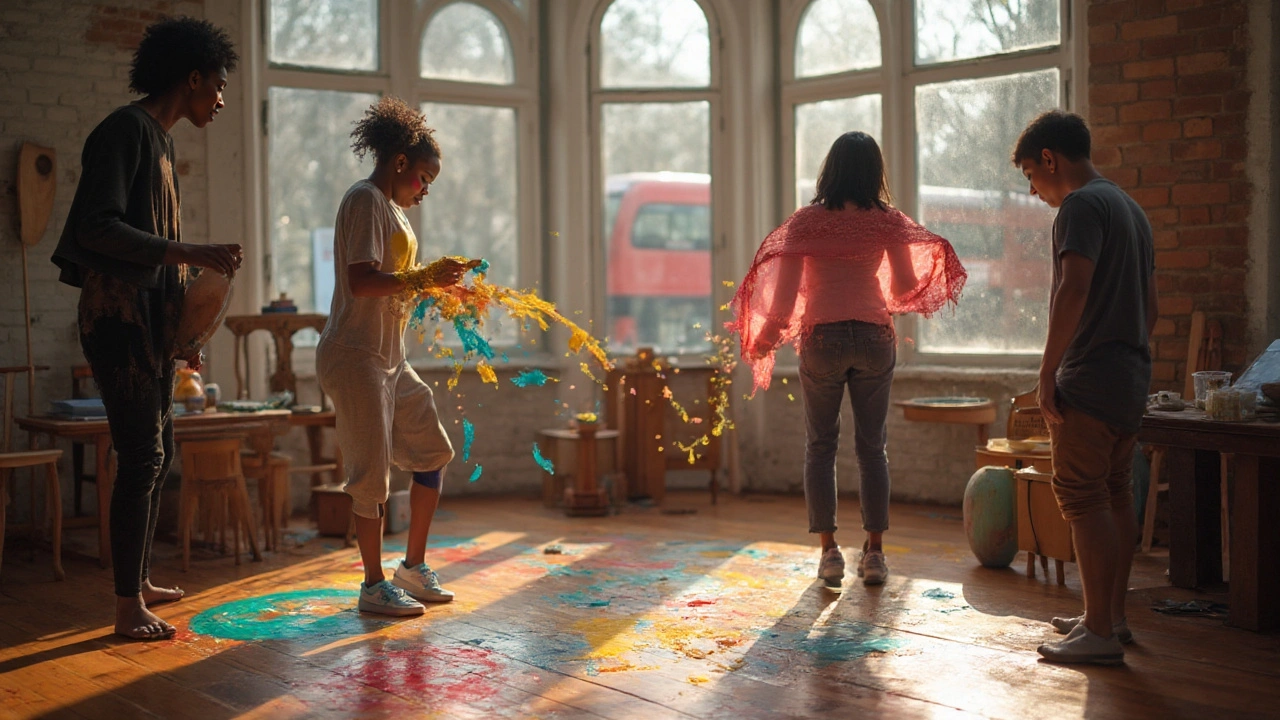
The Science Behind Creative Arts Therapies: Brain Mechanisms, Evidence, and Real-World Results
Sep 22 2025 / TherapiesHow creative arts therapies change the brain and body: mechanisms, evidence, what sessions look like, who they help, and how to start-explained clearly and concisely.
VIEW MORE