

Have you ever skipped breakfast because you were running late, only to feel surprisingly energetic later in the day? Or maybe you’ve heard friends raving about how they lost ten pounds by not eating after 8 PM. These aren’t just anecdotes; they are glimpses into a biological shift that happens when we stop feeding our bodies constantly. Intermittent fasting is an eating pattern that cycles between periods of fasting and eating, focusing on when you eat rather than what you eat. Unlike traditional diets that restrict calories or specific food groups, this approach changes your daily rhythm. But before you skip your next meal, it’s crucial to understand if this method actually works for your body type and lifestyle.
What Exactly Is Intermittent Fasting?
Let’s clear up a common misconception right away. Intermittent fasting isn’t a diet in the traditional sense. You don’t have to count macros or avoid carbs. Instead, it’s a schedule. Think of it as giving your digestive system a break. When you eat every few hours, your body stays in a state of digestion and insulin management. When you fast, your body switches gears.
There are several popular methods, each with different time windows:
- The 16/8 Method: This is the most common approach. You fast for 16 hours and eat within an 8-hour window (for example, skipping breakfast and eating from noon to 8 PM).
- The 5:2 Diet: You eat normally for five days of the week and restrict your calorie intake to around 500-600 calories on two non-consecutive days.
- Eat-Stop-Eat: This involves one or two 24-hour fasts per week (e.g., dinner to dinner).
- Alternate-Day Fasting: Alternating between normal eating days and fasting days where you either consume nothing or very few calories.
The beauty of these methods lies in their flexibility. The 16/8 method, for instance, often requires no willpower at all-you just sleep through half of your fasting window. However, the physiological effects remain significant regardless of which protocol you choose.
The Science Behind the Benefits
Why does stopping food intake lead to health improvements? It comes down to cellular repair and hormone regulation. When you eat, your body releases insulin, a hormone produced by the pancreas that regulates blood sugar levels and helps cells absorb glucose for energy. High insulin levels signal your body to store fat. When you fast, insulin levels drop significantly. This low-insulin state makes stored body fat accessible for energy.
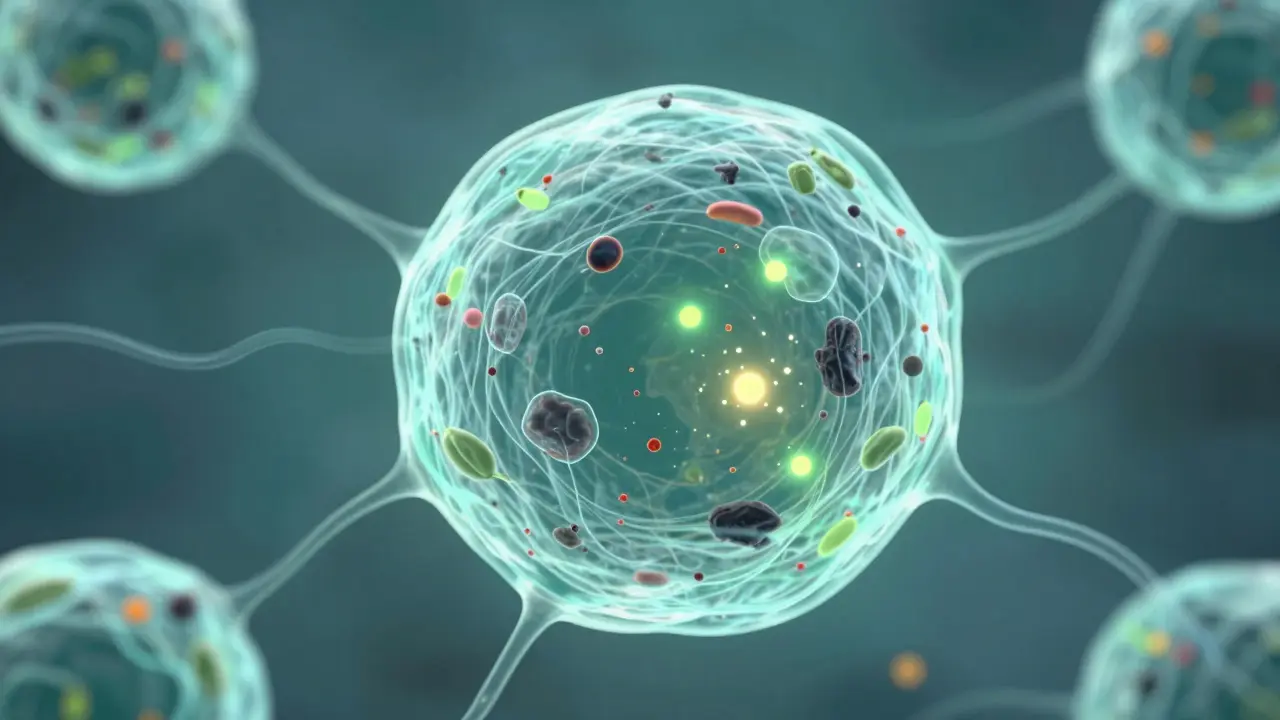
But the benefits go deeper than just burning fat. Around 12 to 16 hours into a fast, your body enters a process called autophagy, a cellular cleanup process where cells remove damaged components and recycle them to maintain efficiency. Imagine your cells are like old houses; autophagy is the renovation crew that clears out broken furniture and repairs the walls. Research suggests this process may reduce inflammation and lower the risk of diseases like cancer and Alzheimer’s.
Additionally, fasting increases human growth hormone (HGH) levels. HGH helps with fat loss and muscle gain. It’s a win-win for body composition. Your body also becomes more sensitive to insulin, meaning it manages blood sugar more effectively, which is crucial for preventing type 2 diabetes.
Weight Loss and Metabolic Health
If weight loss is your primary goal, intermittent fasting can be effective-but not because it’s magic. It works largely due to calorie restriction. If you eat during an 8-hour window, you naturally tend to eat fewer meals and snacks than if you ate throughout the entire day. Studies show that people who practice intermittent fasting often lose 3% to 8% of their body weight over 3 to 24 weeks.
However, it’s not just about the scale. Visceral fat-the dangerous fat that surrounds your organs-is particularly responsive to fasting. Reducing visceral fat lowers the risk of heart disease and metabolic syndrome. For many, the real victory is improved metabolic markers: lower triglycerides, better cholesterol profiles, and stable blood pressure.
| Method | Fasting Window | Eating Window | Best For |
|---|---|---|---|
| 16/8 Method | 16 hours | 8 hours | Beginners, sustainable lifestyle change |
| 5:2 Diet | Two days/week | Five days/week | Those who prefer normal eating most days |
| Eat-Stop-Eat | 24 hours | Remaining 48 hours | Experienced fasters seeking deep autophagy |
| Warrior Diet | 20 hours | 4 hours | Advanced users, high activity levels |
Mental Clarity and Brain Health
You might expect feeling hungry to make you foggy and irritable. Surprisingly, many people report the opposite: heightened focus and mental clarity. This happens because fasting triggers the production of ketones. Ketones are molecules produced by the liver when there is no dietary carbohydrate available. They serve as an efficient fuel source for the brain.
Ketones provide a steady stream of energy, unlike the spikes and crashes associated with sugary meals. Some studies suggest that fasting may also increase the production of brain-derived neurotrophic factor (BDNF), a protein that supports the survival of existing neurons and encourages the growth of new ones. This could have long-term implications for protecting against neurodegenerative diseases.
Who Should Avoid Fasting?
While the benefits are compelling, intermittent fasting is not suitable for everyone. It places stress on the body, and for some, that stress is harmful rather than helpful. You should consult a healthcare provider before starting if you fall into any of these categories:
- Pregnant or breastfeeding women: Your body needs consistent nutrients to support fetal development or milk production.
- People with a history of eating disorders: Fasting can trigger restrictive behaviors and anxiety around food.
- Individuals with type 1 diabetes: Managing blood sugar without food can be dangerous and requires strict medical supervision.
- Underweight individuals: Those trying to gain weight or build muscle may find it difficult to consume enough calories in a short window.
- Children and teenagers: Growing bodies need regular nutrient intake for proper development.
If you take medication for blood pressure or diabetes, fasting can alter how your body responds to those drugs. Always talk to your doctor first.

How to Start Safely
Jumping straight into a 24-hour fast is a recipe for failure and misery. Start small. Try extending your nightly fast by one hour. If you usually eat until 9 PM and wake up at 7 AM, try waiting until 8 AM to eat. Gradually work your way up to a 12-hour, then 14-hour, and finally a 16-hour fast.
Hydration is key. During your fasting window, drink plenty of water. Black coffee and plain tea are generally acceptable as they contain negligible calories and won’t break your fast. Avoid sugary drinks, even natural juices, as they spike insulin.
When you do break your fast, don’t binge. Your digestive system has been resting. Start with a balanced meal containing protein, healthy fats, and fiber. This stabilizes your blood sugar and keeps you full longer. Foods like eggs, avocado, leafy greens, and lean meats are excellent choices.
Common Pitfalls to Avoid
One major mistake people make is compensating for their fast by overeating during the eating window. If you consume 3,000 calories in eight hours, you won’t lose weight. Listen to your hunger cues. Eat until you’re satisfied, not stuffed.
Another pitfall is ignoring electrolyte balance. As insulin drops, your kidneys excrete more sodium. This can lead to headaches, fatigue, and dizziness-often called the "keto flu" even if you aren’t on a keto diet. Adding a pinch of salt to your water or consuming bone broth can help alleviate these symptoms.
Finally, don’t ignore persistent hunger. Occasional hunger pangs are normal. But if you feel weak, dizzy, or nauseous, stop fasting. Your body is telling you it needs fuel. There is no prize for suffering through extreme discomfort.
Can I exercise while fasting?
Yes, many people find that light to moderate exercise feels easier while fasting due to increased adrenaline and growth hormone. However, high-intensity interval training (HIIT) or heavy weightlifting might require glycogen stores that are depleted during a fast. If you choose to workout fasted, listen to your body and consider breaking your fast immediately afterward with a protein-rich meal.
Does drinking coffee break my fast?
Black coffee and plain tea do not break a fast because they contain virtually zero calories and do not trigger an insulin response. However, adding sugar, milk, cream, or artificial sweeteners can spike insulin and interrupt the fasting state. Stick to black coffee or add a splash of coconut oil if you follow a specific variation like bulletproof coffee, though note that some purists argue this breaks the fast.
Will intermittent fasting slow down my metabolism?
Short-term fasting does not slow down metabolism; in fact, it may slightly increase it due to the release of norepinephrine. Long-term severe calorie restriction can lower metabolic rate, but intermittent fasting, when done correctly, preserves muscle mass better than continuous calorie restriction. Maintaining adequate protein intake during eating windows is crucial for preserving muscle.
How long does it take to see results?
Most people notice changes in energy levels and digestion within the first week. Weight loss typically becomes visible after 2 to 4 weeks, depending on your starting point and adherence. Cellular benefits like autophagy begin occurring within 12 to 16 hours of fasting, but measurable health marker improvements (like blood sugar and cholesterol) may take several months of consistent practice.
Is intermittent fasting safe for women?
Intermittent fasting is generally safe for women, but some studies suggest that women may be more sensitive to the stress of fasting due to hormonal fluctuations. Extended fasts or aggressive protocols (like alternate-day fasting) can sometimes disrupt menstrual cycles. Women often benefit from shorter fasting windows (12 to 14 hours) or adjusting their fasting routine based on their menstrual cycle phase.