
Deep Breathing: How This Simple Skill Reduces Stress and Boosts Health
When you take a slow, full breath—filling your belly, not just your chest—you're not just relaxing. You're actively resetting your deep breathing, a conscious, controlled breathing technique used to activate the parasympathetic nervous system and reduce physiological stress. Also known as breathwork, it’s one of the fastest, free, and most effective ways to calm your body and mind. No equipment. No app. Just you and your next inhale.
Deep breathing works because your breath is directly connected to your nervous system, the network of nerves that controls automatic functions like heart rate, digestion, and stress response. When you’re anxious, your sympathetic nervous system kicks in—heart races, muscles tighten, thoughts race. Deep breathing flips the switch. It tells your body: "You’re safe." Studies show it lowers cortisol, slows heart rate, and even improves digestion. It’s not magic. It’s biology. And you’ve been doing it since you were born—you just forgot how to do it right.
People use deep breathing for all kinds of things: to quiet panic before a presentation, to fall asleep faster, to recover after a hard workout, or just to stop feeling overwhelmed by the day. It’s not a replacement for therapy or medicine—but it’s a daily tool that makes everything else easier. You’ll find posts here that show how it pairs with mindfulness, the practice of paying attention to the present moment without judgment to reduce anxiety, how it helps with stress reduction, the process of managing and lowering the body’s response to ongoing pressure after long workdays, and how athletes and busy parents use it to stay grounded. You won’t find fluff here. Just real ways people use breath to feel better, move better, and think clearer.
What you’ll find below are practical, no-nonsense guides on how to make deep breathing work for your life—not as a spiritual ritual, but as a tool you can use while waiting in line, before bed, or after a fight with your partner. Some posts show you how to combine it with journaling. Others link it to sleep, digestion, or recovery. No mysticism. No 30-minute sessions. Just simple, repeatable steps that fit into real days.
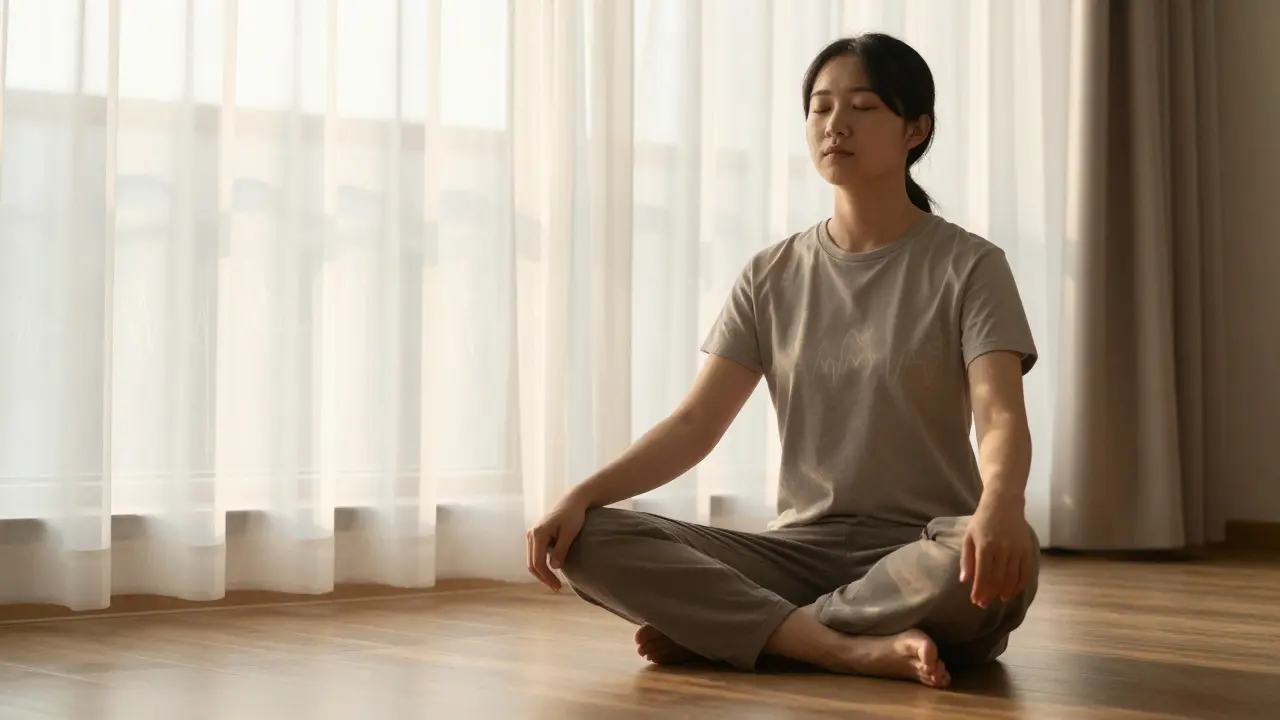
Relaxation Techniques: The Perfect Antidote to Modern Stress
Feb 12 2026 / Stress ManagementModern stress is draining your energy and health. Learn simple, science-backed relaxation techniques-like deep breathing, muscle relaxation, and mindfulness-that actually work to calm your nervous system and restore balance.
VIEW MORE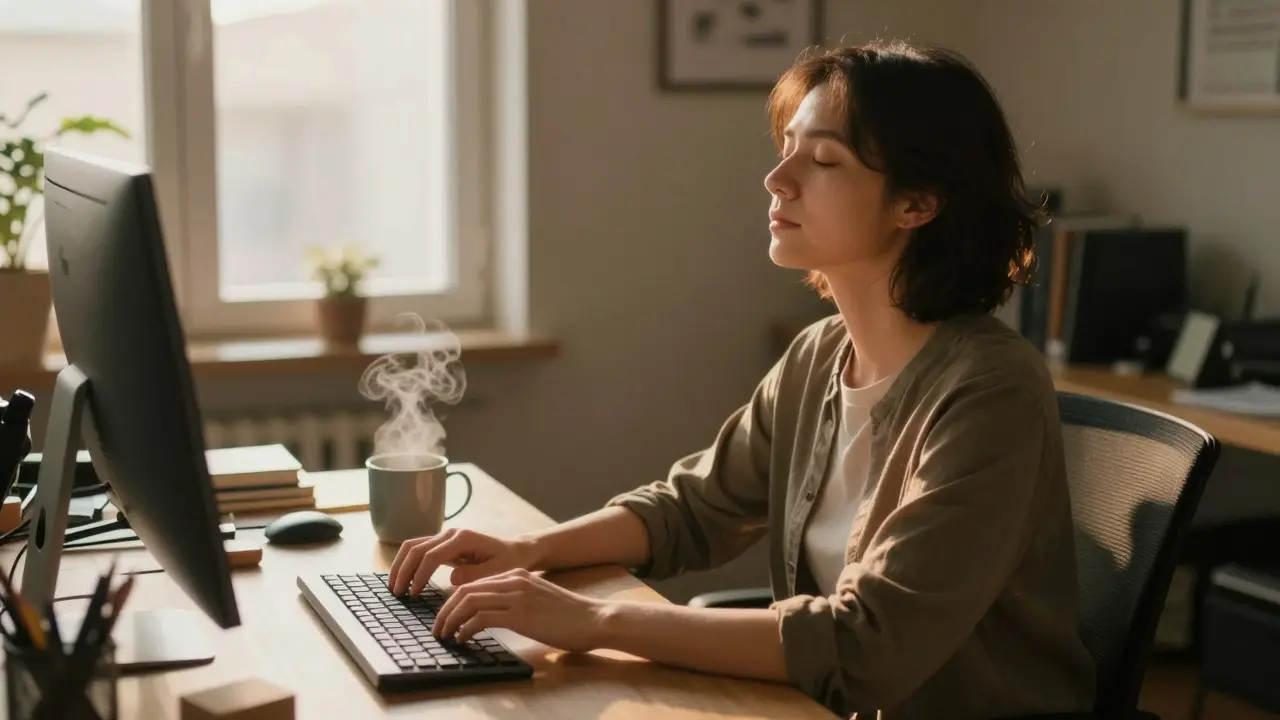
Relaxation Techniques That Actually Work in a Stress-Filled World
Feb 2 2026 / Stress ManagementDiscover simple, science-backed relaxation techniques that work in real life-no apps or expensive tools needed. Learn how breathing, muscle relaxation, and grounding can reduce stress and reset your nervous system in minutes.
VIEW MORE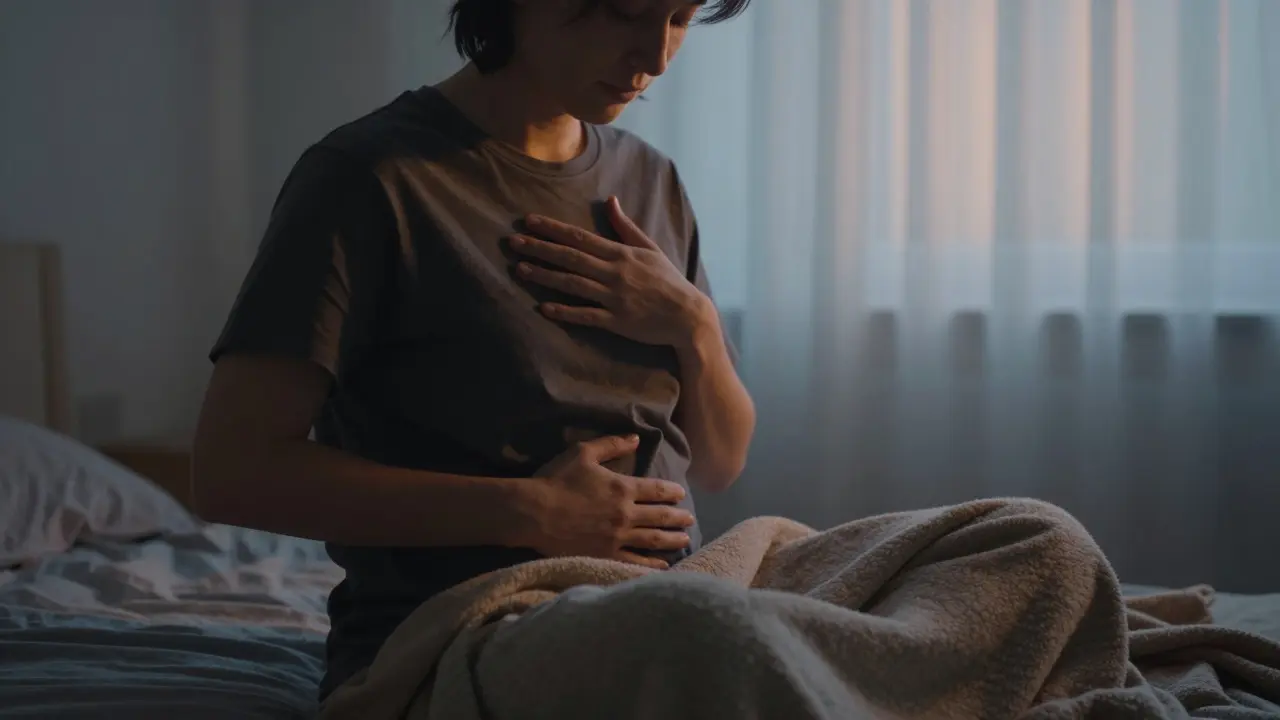
Achieve Inner Peace with These Proven Relaxation Techniques
Jan 12 2026 / Stress ManagementLearn simple, science-backed relaxation techniques like deep breathing, progressive muscle relaxation, and box breathing to reduce stress and build lasting inner peace-no meditation experience needed.
VIEW MORE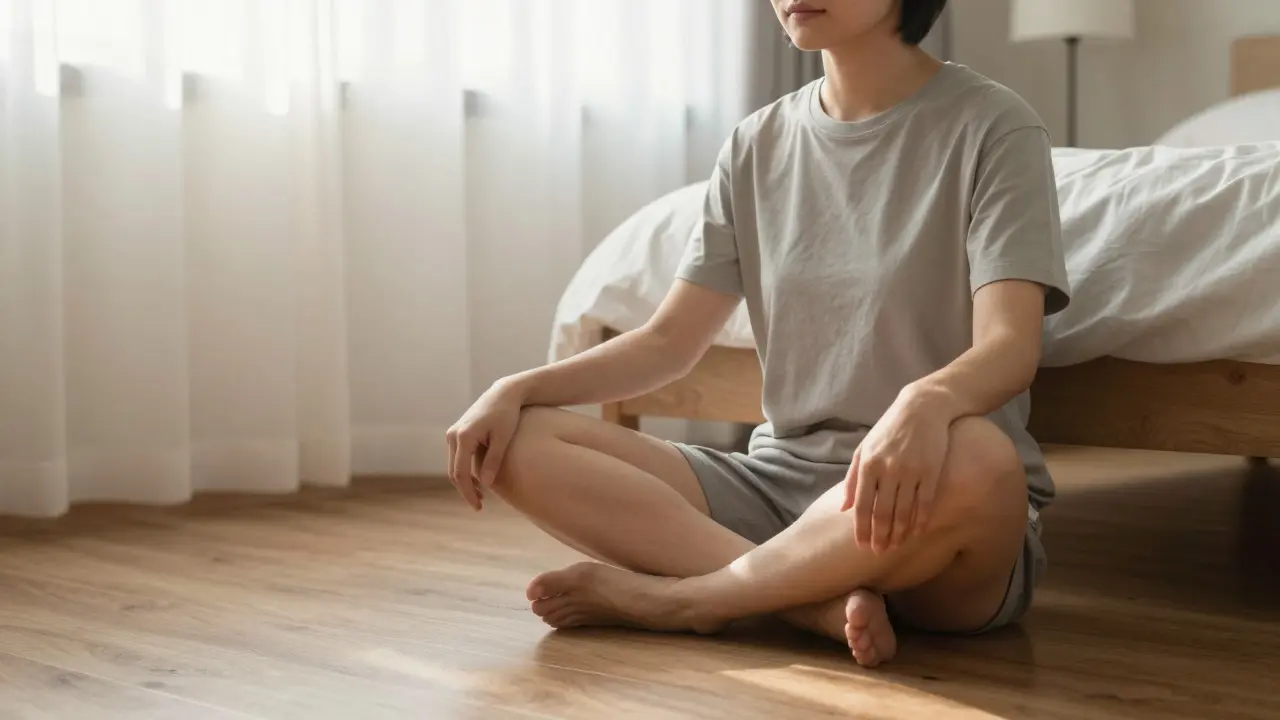
Master the Art of Relaxation Techniques in 10 Easy Steps
Dec 18 2025 / Stress ManagementLearn 10 simple, science-backed relaxation techniques to reduce stress, calm your nervous system, and regain control-no apps or equipment needed. Perfect for busy lives.
VIEW MORE
Relaxation Techniques for a Happier, Healthier You
Nov 24 2025 / Stress ManagementSimple, science-backed relaxation techniques like deep breathing, progressive muscle relaxation, and mindfulness can reduce stress, improve sleep, and help you feel calmer every day - no apps or expensive tools needed.
VIEW MORE