
Progressive Muscle Relaxation: How to Release Tension and Calm Your Nervous System
When you’re stressed, your body doesn’t just feel anxious—it progressive muscle relaxation, a structured technique that involves tensing and releasing muscle groups to reduce physical and mental tension. Also known as PMR, it’s one of the most effective, no-equipment ways to reset your nervous system after a long day. Unlike meditation that asks you to sit still, PMR gives your body something concrete to do: squeeze, hold, then let go. It’s not magic—it’s biology. When you tense a muscle on purpose, then release it, your brain gets a clear signal that it’s safe to calm down. That’s why it works for people who can’t quiet their minds but can still clench their fists.
This technique doesn’t just help with stress. It’s used by people dealing with insomnia, chronic pain, and even anxiety disorders. It’s not a replacement for therapy, but it’s a tool that fits into daily life—no apps, no candles, no special room needed. You can do it sitting in your car, lying in bed, or even at your desk. The key is consistency, not perfection. Studies show that just 10 minutes a day, done regularly, can lower cortisol levels and improve sleep quality. And it pairs well with other tools you’re already using: stress reduction, a broad category of practices aimed at calming the body’s fight-or-flight response, like deep breathing or journaling. When you add PMR to your routine, you’re not just relaxing muscles—you’re teaching your whole system to recover faster.
It also connects directly to how your body holds stress. Tight shoulders? Jaw clenching? That’s not just "bad posture." It’s your nervous system stuck in overdrive. muscle tension, the involuntary tightening of muscles caused by stress, fatigue, or poor movement habits doesn’t go away with a stretch alone. PMR gives you control over it. You’re not ignoring the tension—you’re actively releasing it, one group at a time. That’s why athletes, teachers, and new parents all swear by it. It’s not about being zen. It’s about being human.
What you’ll find in these posts isn’t just theory. You’ll see real methods people use to make PMR stick, how it fits with other recovery tools like sports massage and mindfulness, and what to do when you forget to practice. There’s no one-size-fits-all version—some people do it before bed, others right after work. Some use audio guides, others count to five and let go. The goal isn’t to do it "right." It’s to feel the difference when you finally let your body rest.
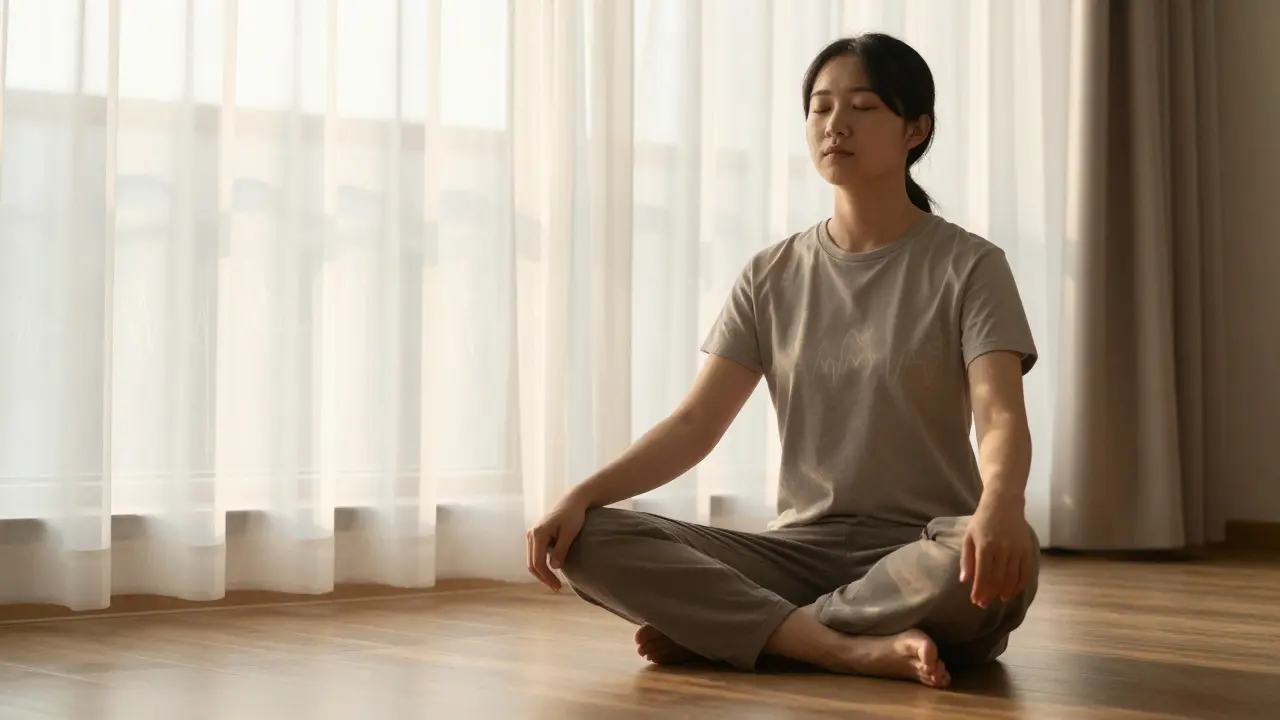
Relaxation Techniques: The Perfect Antidote to Modern Stress
Feb 12 2026 / Stress ManagementModern stress is draining your energy and health. Learn simple, science-backed relaxation techniques-like deep breathing, muscle relaxation, and mindfulness-that actually work to calm your nervous system and restore balance.
VIEW MORE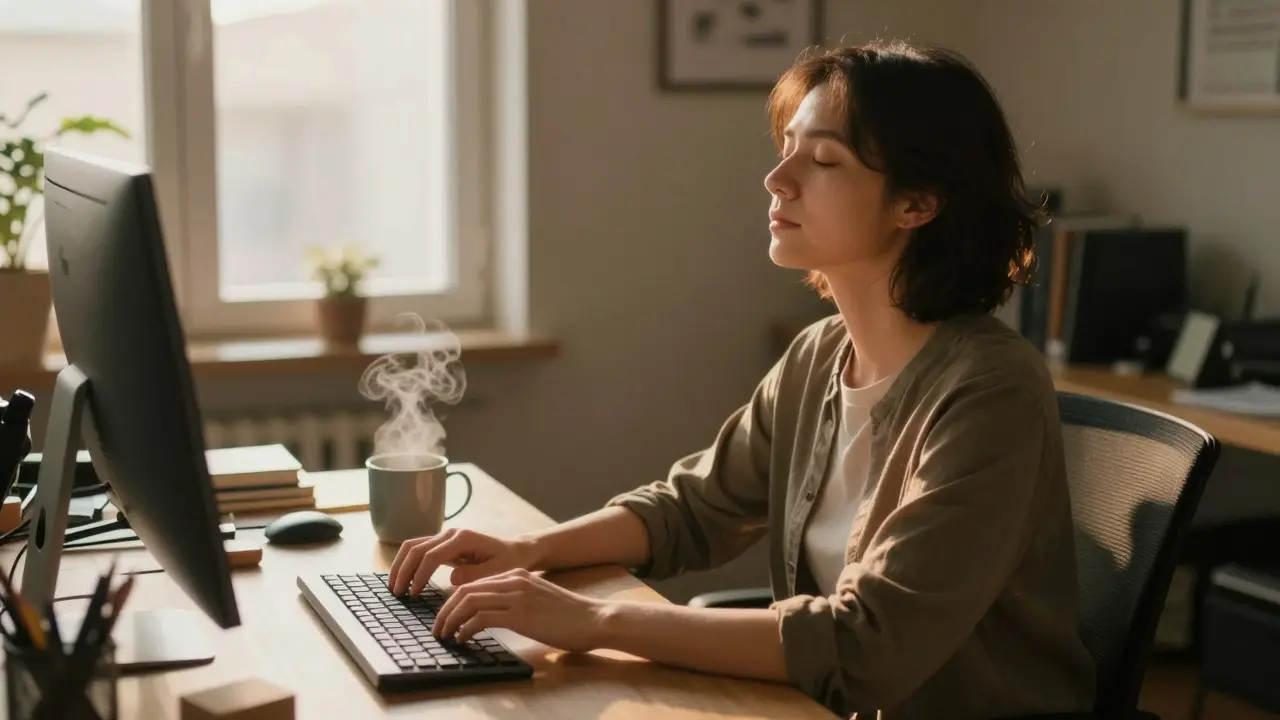
Relaxation Techniques That Actually Work in a Stress-Filled World
Feb 2 2026 / Stress ManagementDiscover simple, science-backed relaxation techniques that work in real life-no apps or expensive tools needed. Learn how breathing, muscle relaxation, and grounding can reduce stress and reset your nervous system in minutes.
VIEW MORE
Achieve Inner Peace with These Proven Relaxation Techniques
Jan 12 2026 / Stress ManagementLearn simple, science-backed relaxation techniques like deep breathing, progressive muscle relaxation, and box breathing to reduce stress and build lasting inner peace-no meditation experience needed.
VIEW MORE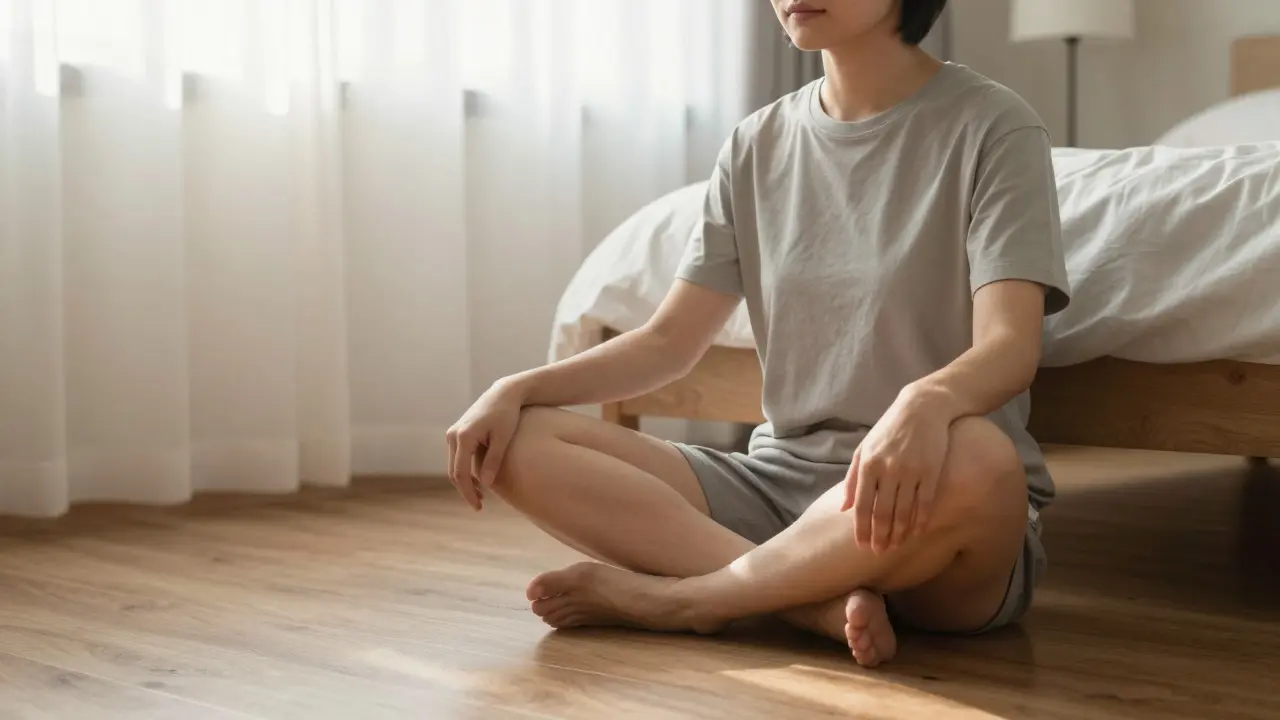
Master the Art of Relaxation Techniques in 10 Easy Steps
Dec 18 2025 / Stress ManagementLearn 10 simple, science-backed relaxation techniques to reduce stress, calm your nervous system, and regain control-no apps or equipment needed. Perfect for busy lives.
VIEW MORE
Relaxation Techniques for a Happier, Healthier You
Nov 24 2025 / Stress ManagementSimple, science-backed relaxation techniques like deep breathing, progressive muscle relaxation, and mindfulness can reduce stress, improve sleep, and help you feel calmer every day - no apps or expensive tools needed.
VIEW MORE